Advert
The New Wave
What kinds of projects and ideas are taking shape on the desks of young architects? Eight architects, teams, or architecture offices present a project that reflects their approach to the built environment.
Teemu-Oskari Kiiveri
New Rautjärvi Church and Bell Tower
Location Rautjärvi
Gross Area 490 m2
Completion 2025
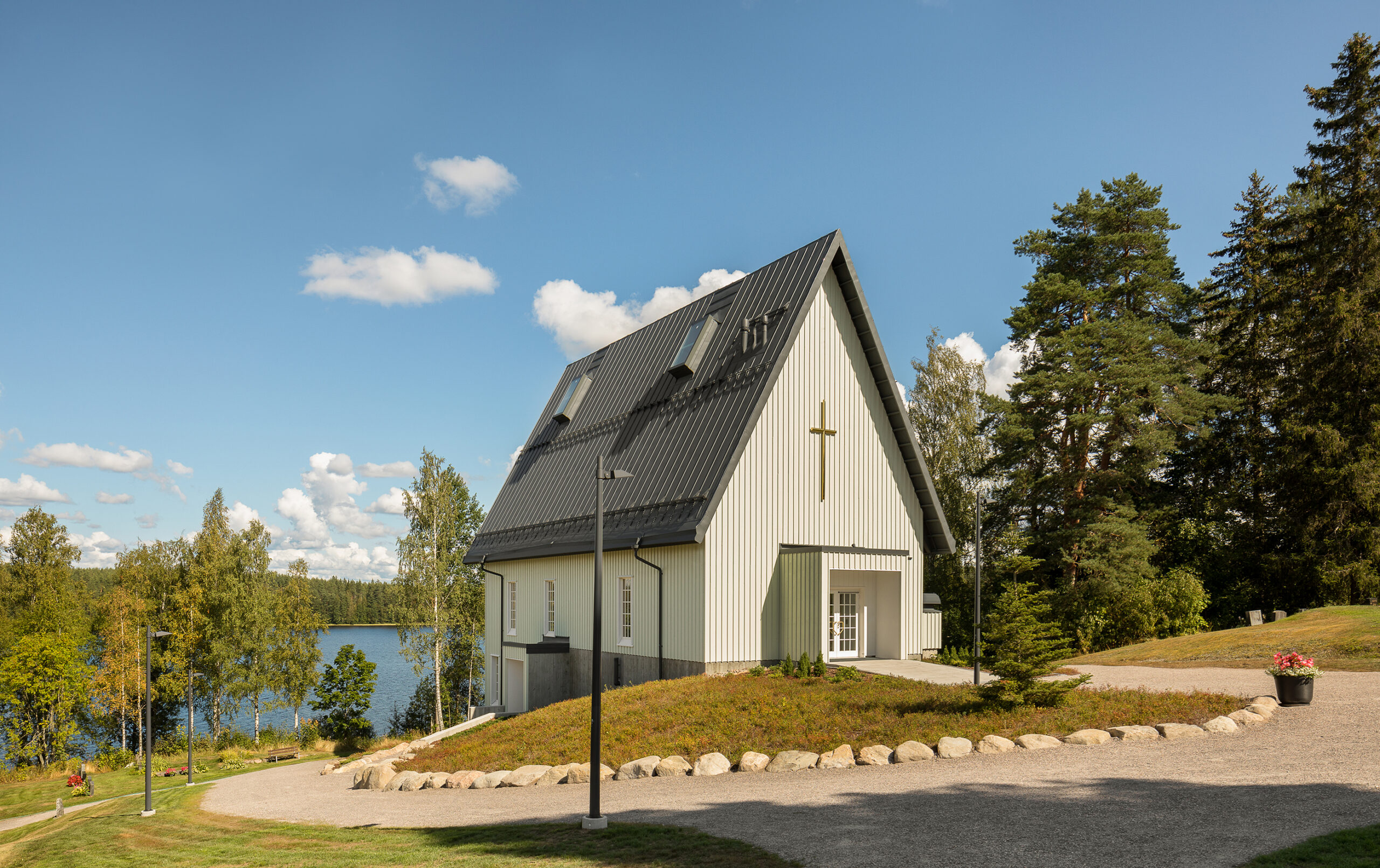
The old church at Rautjärvi was destroyed by fire on Christmas Day morning in 2022. Early the following year, I began working on the project planning and needs assessment for a new church on the site as my master’s thesis, commissioned by the Ruokolahti Parish. The new church was consecrated in August 2025.
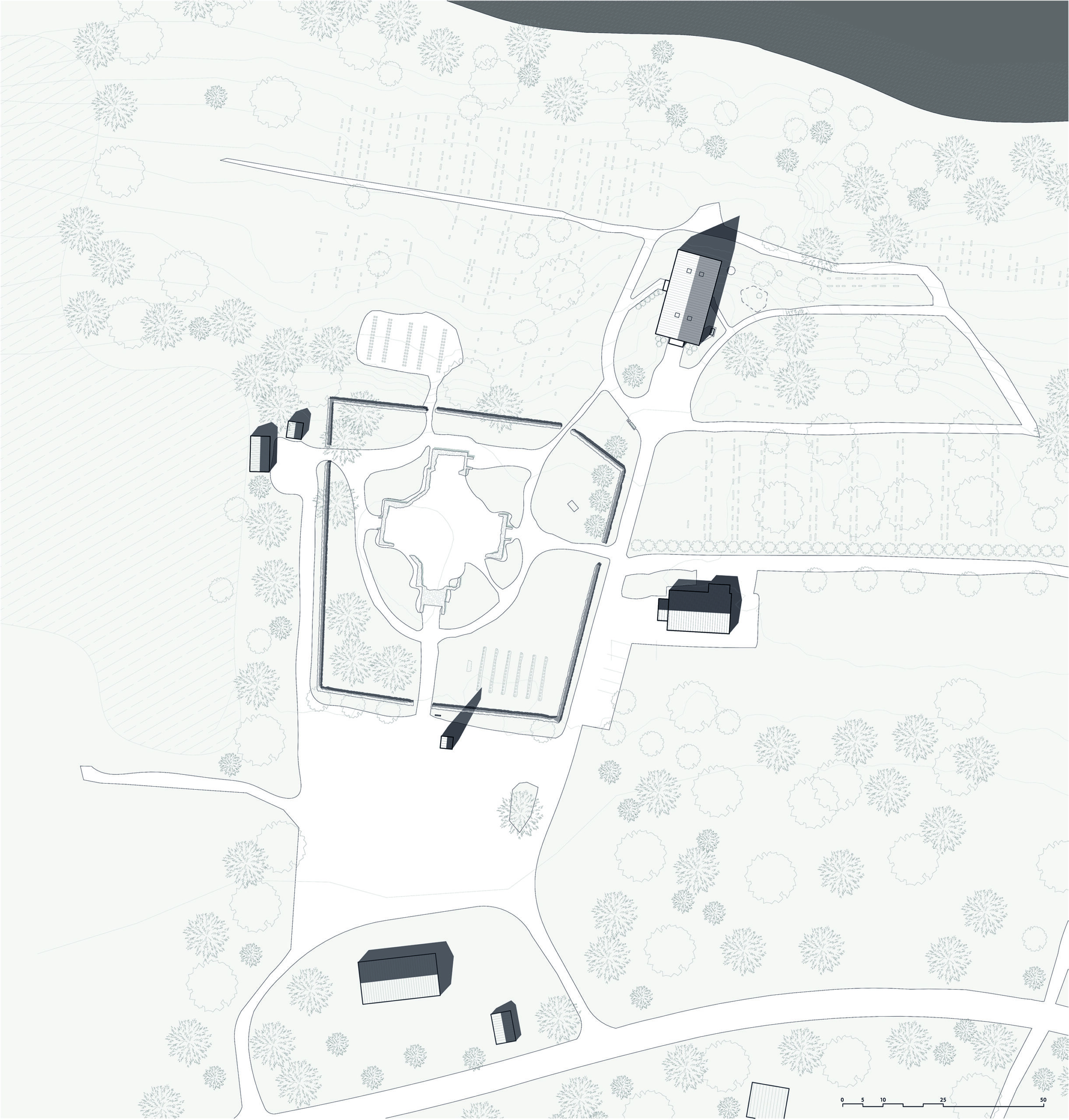
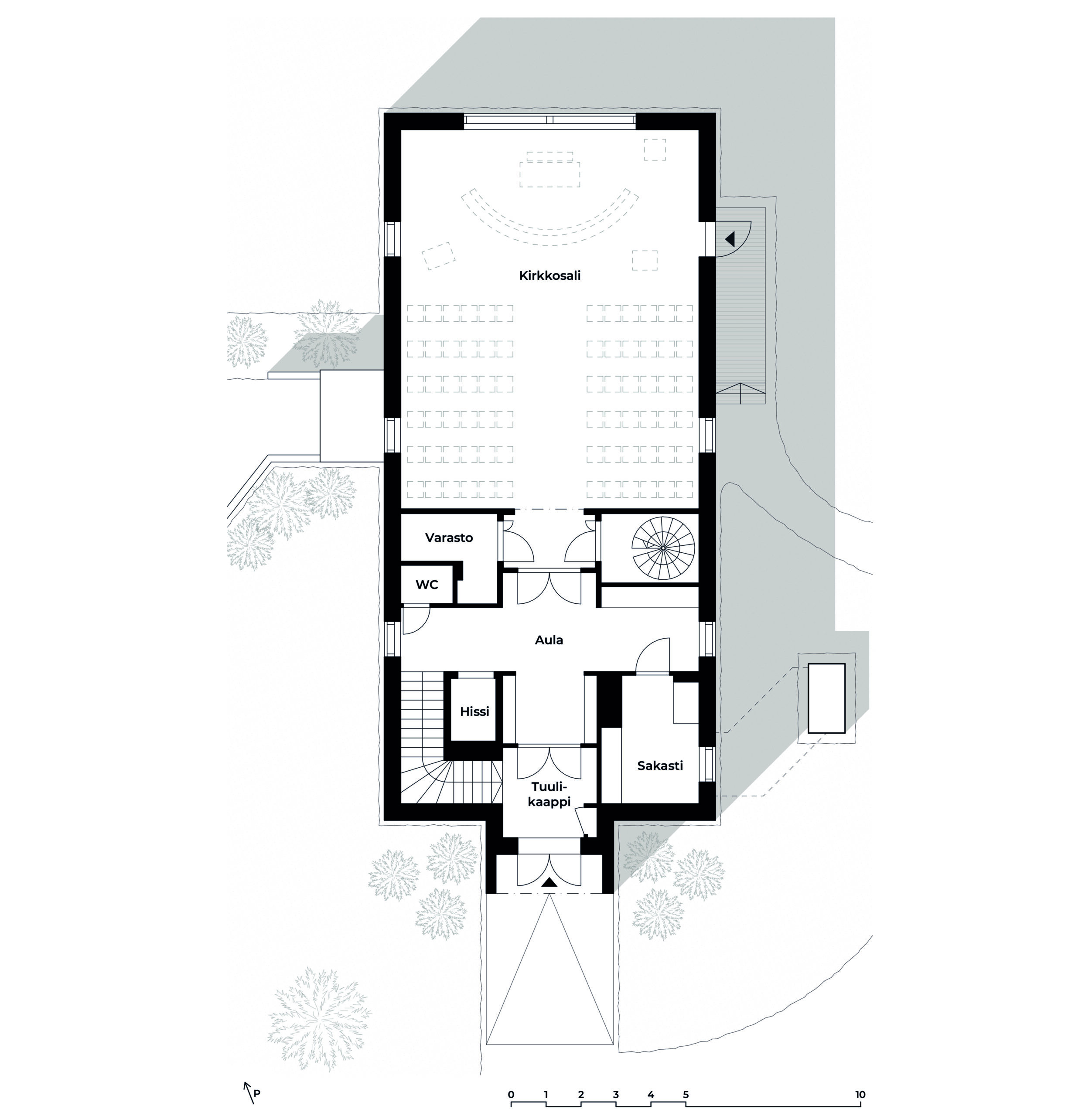
The new church sits on a sloped site to the northeast of the ruins, where a storage building previously stood. The topography of the site means that the church can be accessed from two different levels, and the community hall is now located on a lower floor, immediately below the altar.
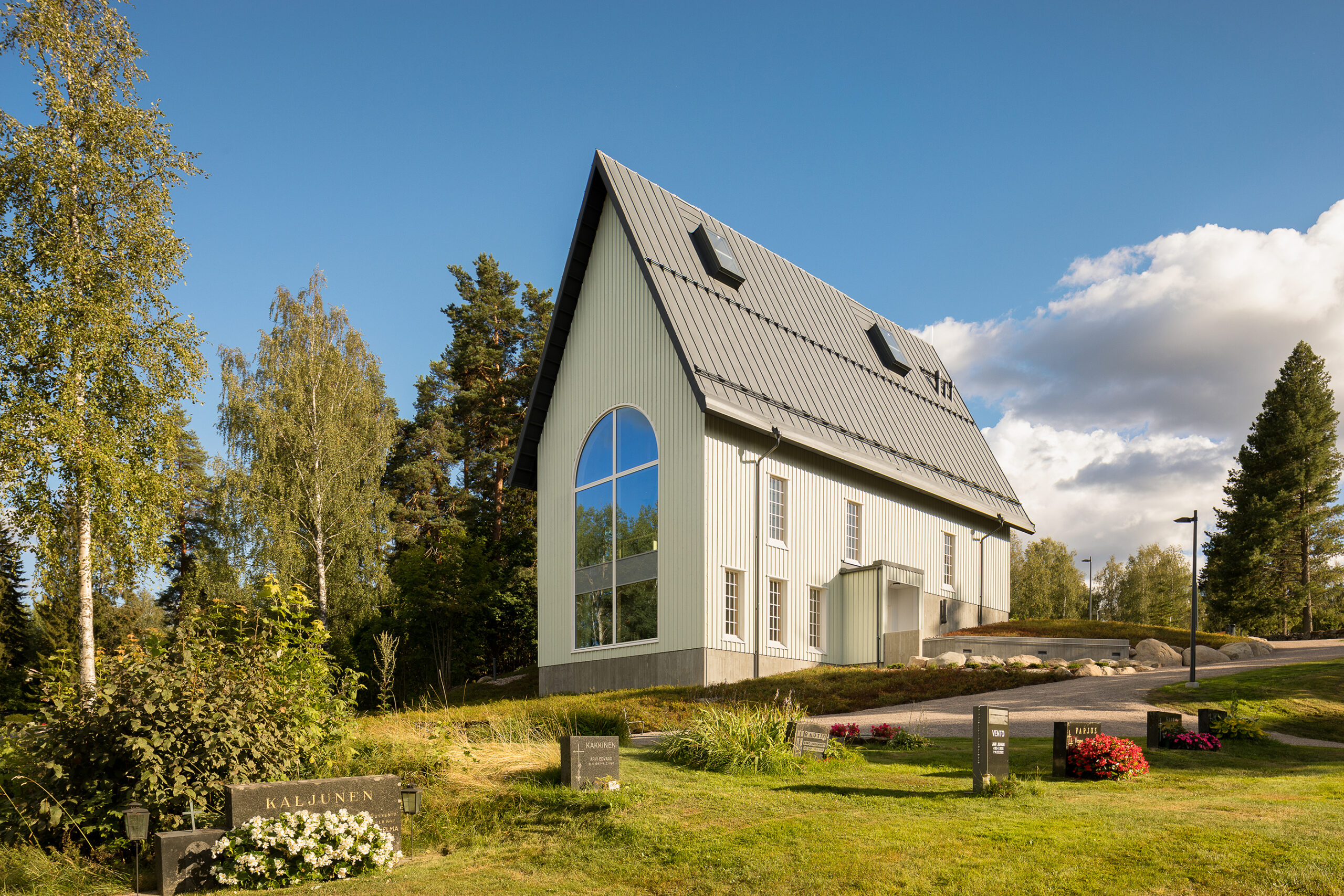
The church takes its cue from traditional church architecture. With a steep gable roof and simple and clear form, it calls to mind historic rural churches in Finland, while the grey-green colour scheme with white accents harks back to its now-lost predecessor. With its slight and slender presence, it lends space to not just the ruins but also their historic significance.
The new church sits at the endpoint of a vista that sweeps past the ruins. The quiet, almost mute facade and golden cross demarcate the separation between the sacred and the everyday, beckoning visitors towards the altar and the lake view beyond it.
The landscape revealed in the arched window serves as the altarpiece here, one continually shifting and changing with the turn of the seasons. Above it hangs a cross made of burnt timbers salvaged from the old church, symbolising the coexistence of the old and the new. None of the furniture here, altar rail included, is fixed, which allows the space to be used for a range of purposes from services to community gatherings.

Arkkitehtitoimisto Joonas Parviainen, Studio MANA
Photo: Alessandra Carosi
Jussinaukio Vertical Garden
Architects Joonas Parviainen (Arkkitehtitoimisto Joonas Parviainen), Brett Mahon, Ramya Nandyala (Studio MANA)
Location Turku
Gross Area 118 m2
Completion 2025
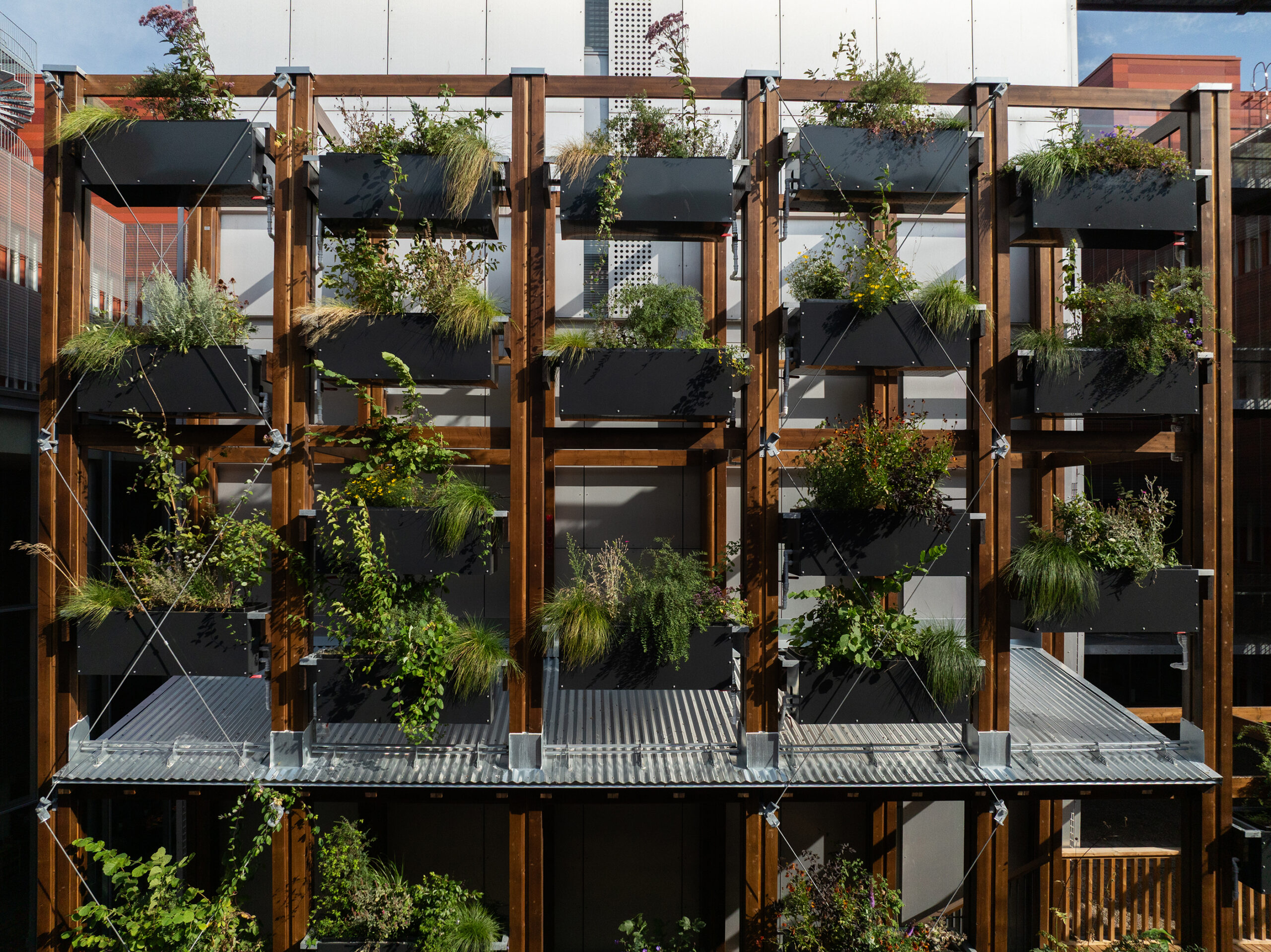
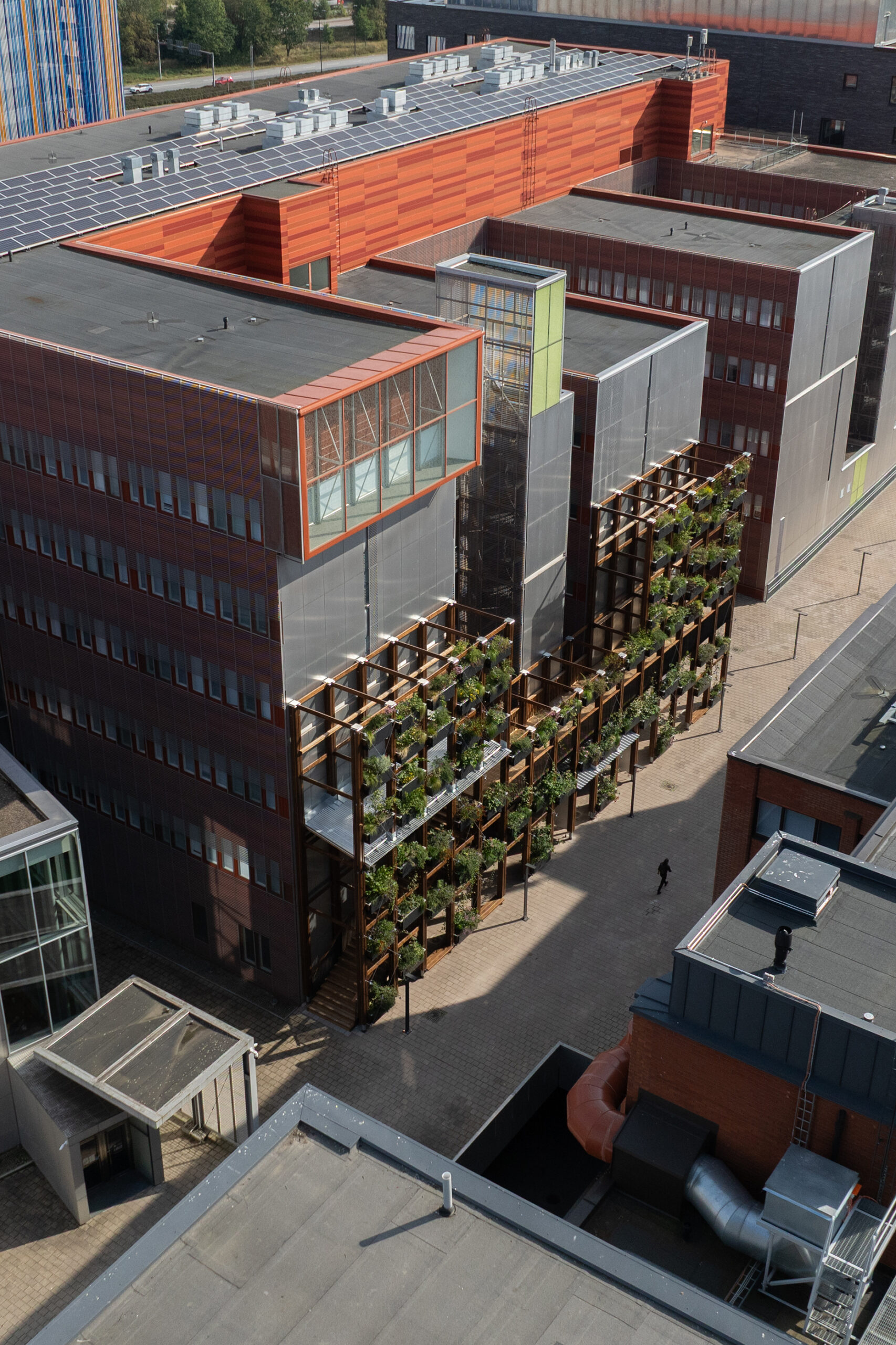
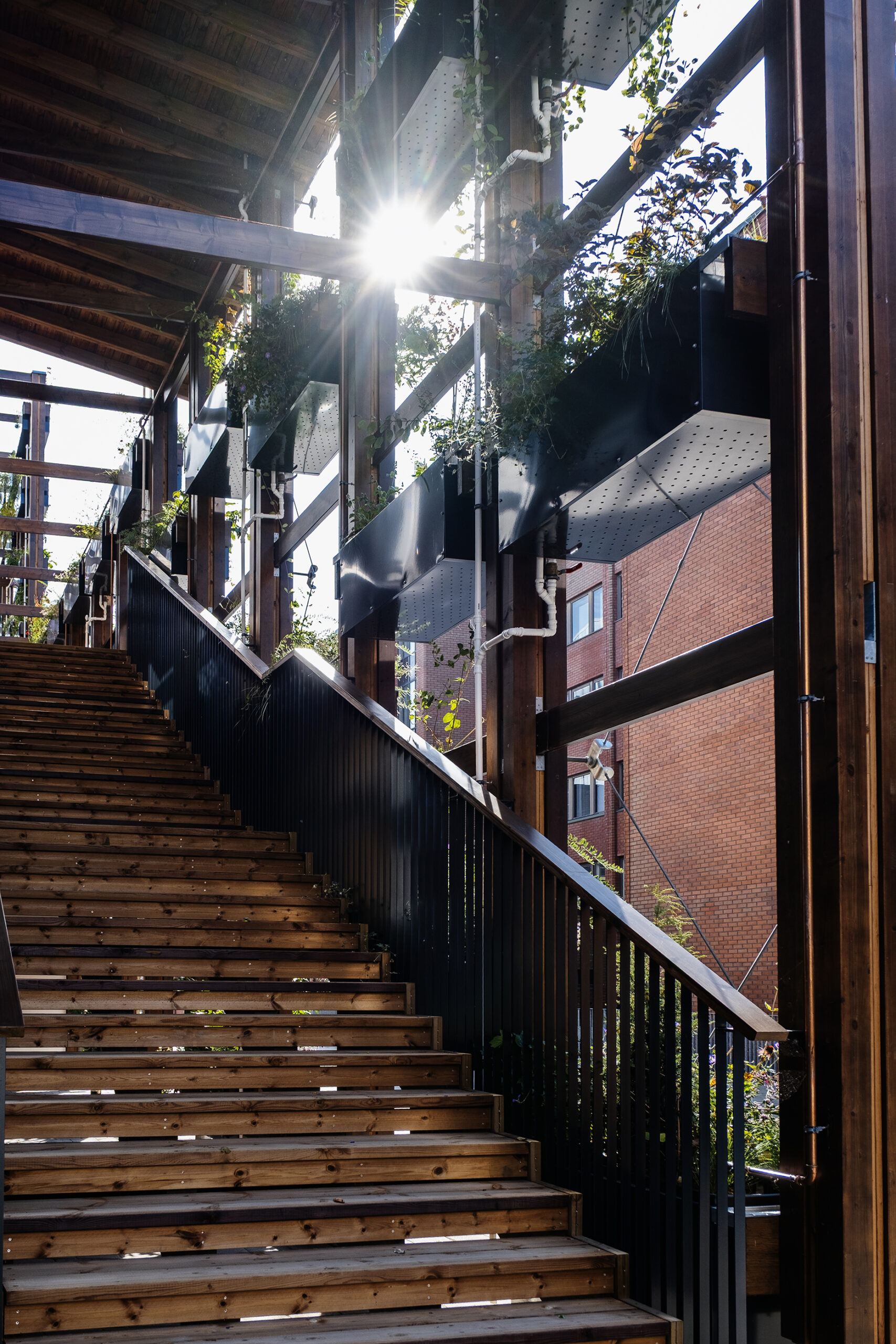
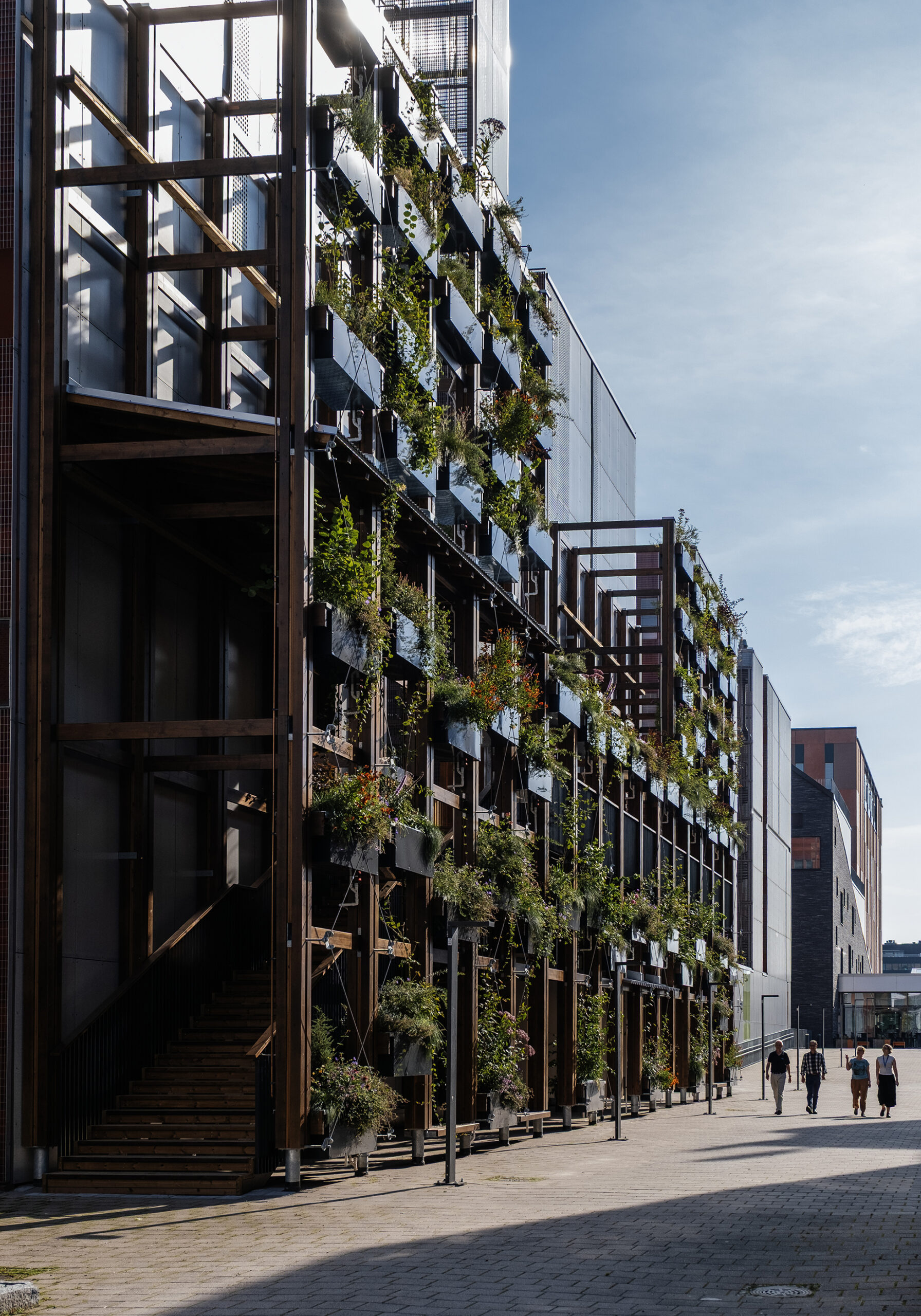
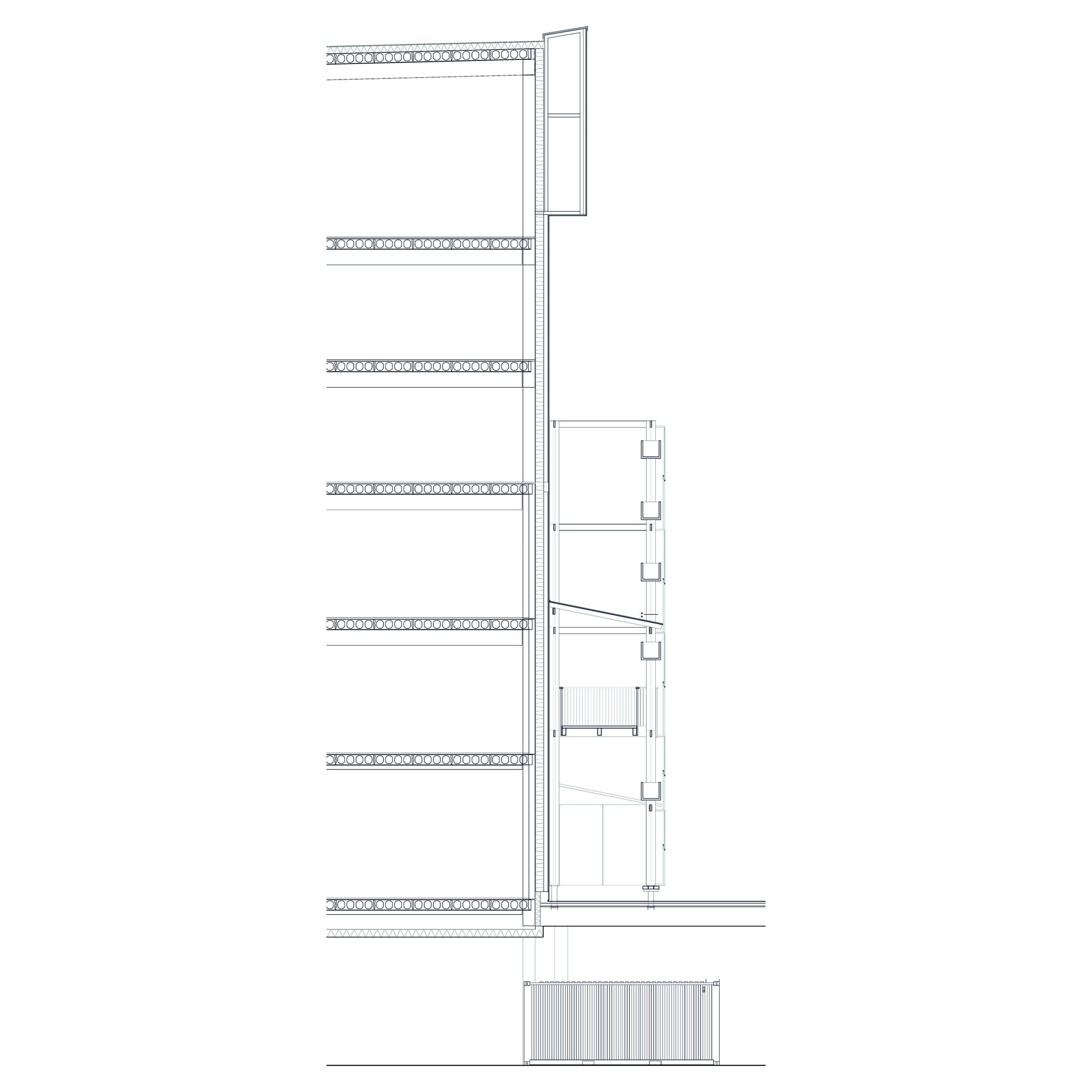
The modular, timber-built green wall is an integral feature of the Turku University of Applied Sciences’ ICT-City building’s facade. Complete with stairs, the vertical garden connects the street level with a roof terrace above, which provides a social space for students and local residents alike.
The wall features a selection of perennials and it is designed to combat the formation of an urban heat island here, offering cooling not just for the building itself but its immediate environs too. The irrigation system is designed to collect surface runoff, which reduces pressure on the mains water supply and prevents runoff pollutants from entering local waterways.
The Vertical Garden is the first working prototype based on a concept devised by InnoGreen, where a green wall feature is retrofitted to the fabric of an existing building. The concept also includes balcony structures which can be used to increase the liveable floor space of the building. The architects’ collaboration with InnoGreen began with the pavilion designed for the Helsinki City Museum for the environmental organization Dodo’s 25th anniversary exhibition. The architects met at the European Architecture Students Assembly (EASA) and have been working together since 2018.
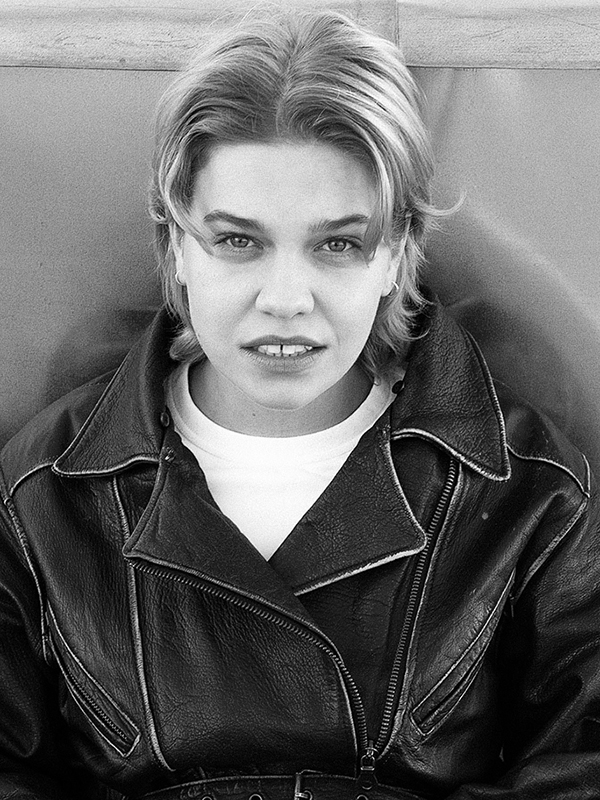
Liisa Ryynänen
Sail_Away_It’s_Time_To_Leave
installation
2025
Sail_Away_It’s_Time_To_Leave is an outdoor art installation commissioned by the Museum of Estonian Architecture for Sailing Forward: How the 1980 Olympic Regatta Shaped Tallinn (30 April to 28 September 2025), an exhibition exploring the building projects that were completed in the Estonian capital in the lead up to the 1980 Summer Olympics.
The installation, located in front of the museum, is built using scaffolding, aluminium pennants and granite stepping stones, which I sourced from the Tallinn Olympic Yachting Centre, built in 1980.
It is a meditation on the tensions between monumentality and ruination and remembering and the desire to forget. This fragmentary architectural structure might evoke associations with stairs, a bridge, a grandstand or even a dream.

Dropped (Feelings) &
Back2Back
sculptures
2025
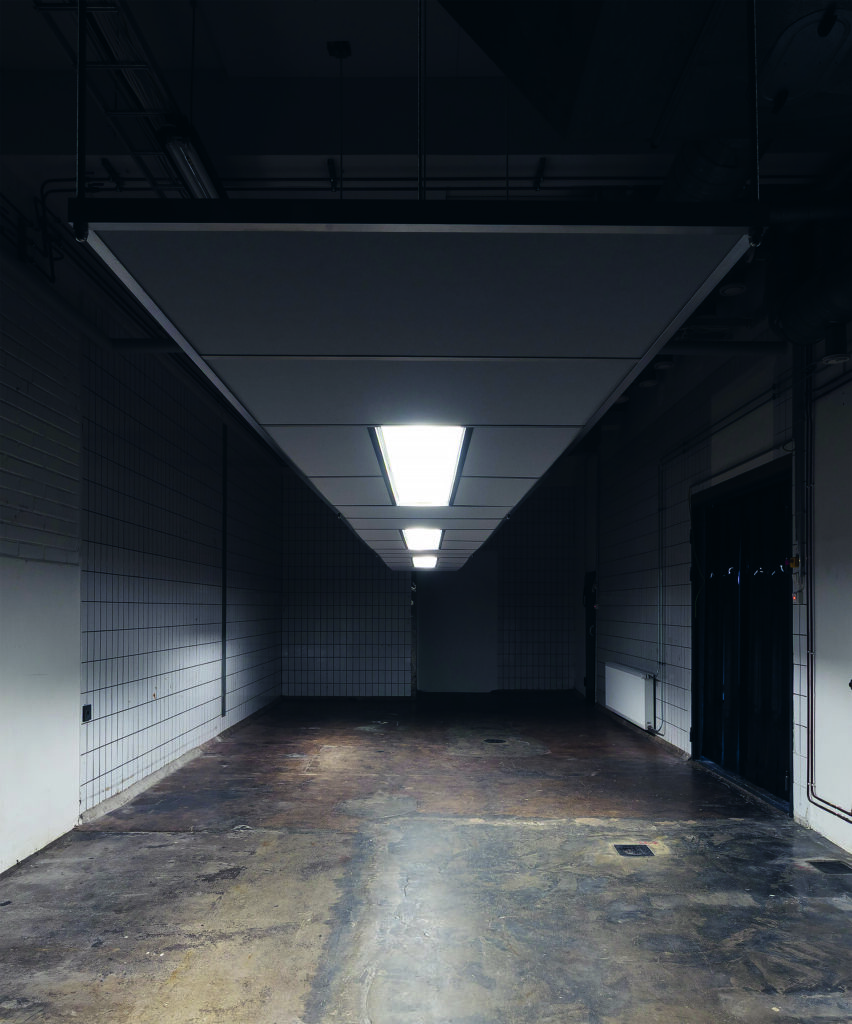
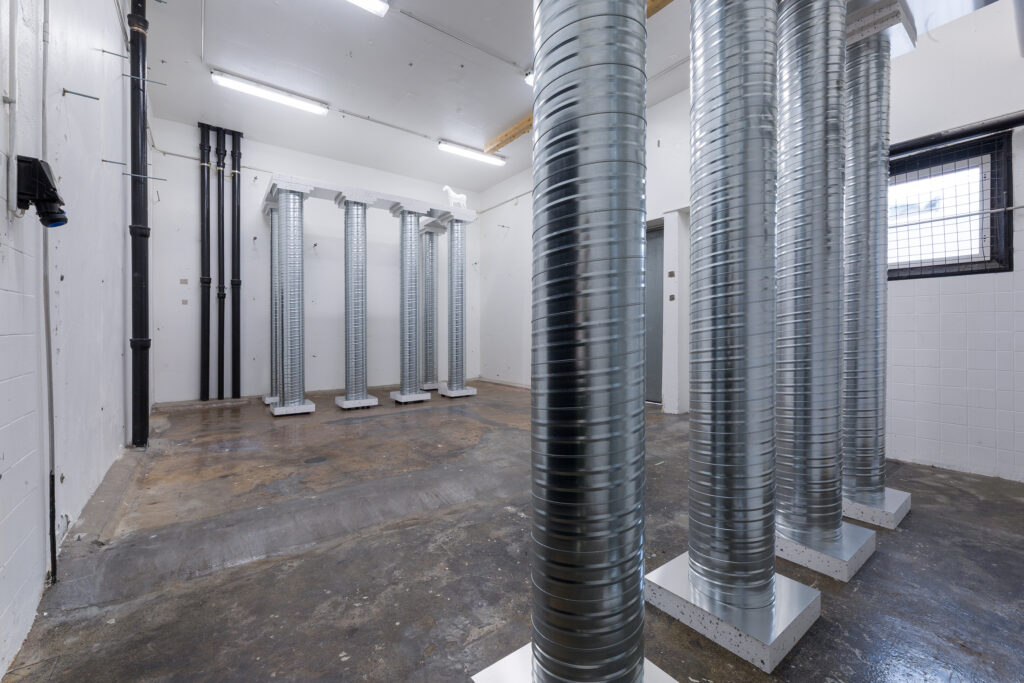
Dropped (Feelings) and Back2Back were commissioned for Let it be known, I am still here, a group exhibition at the Pitted Dates gallery, which ran from 19 September to 2 November 2025 at Helsinki’s Teurastamo district.
An elongated, ceiling-suspended sculpture, Dropped (Feelings), redefines the gallery space. It is constructed using elements commonly seen in contemporary ceilings: acoustic panelling, metal fixing brackets and fluorescent lighting.
Back2Back pairs steel ventilation ducts and speckled polystyrene insulation sheets to create a visual idiom suggestive of temples or other religious structures. Standing on top of the twin sculptures are two 3D-print horse figurines that might be viewed as allusions to architectural sculpture or scale horses.
Wanderlust

Luova
meeting and event space
Architects Johanna Brummer, Heini-Emilia Saari
Location Espoon modernin taiteen museo Emma, Espoo
Gross Area 100m2
Completion 2025
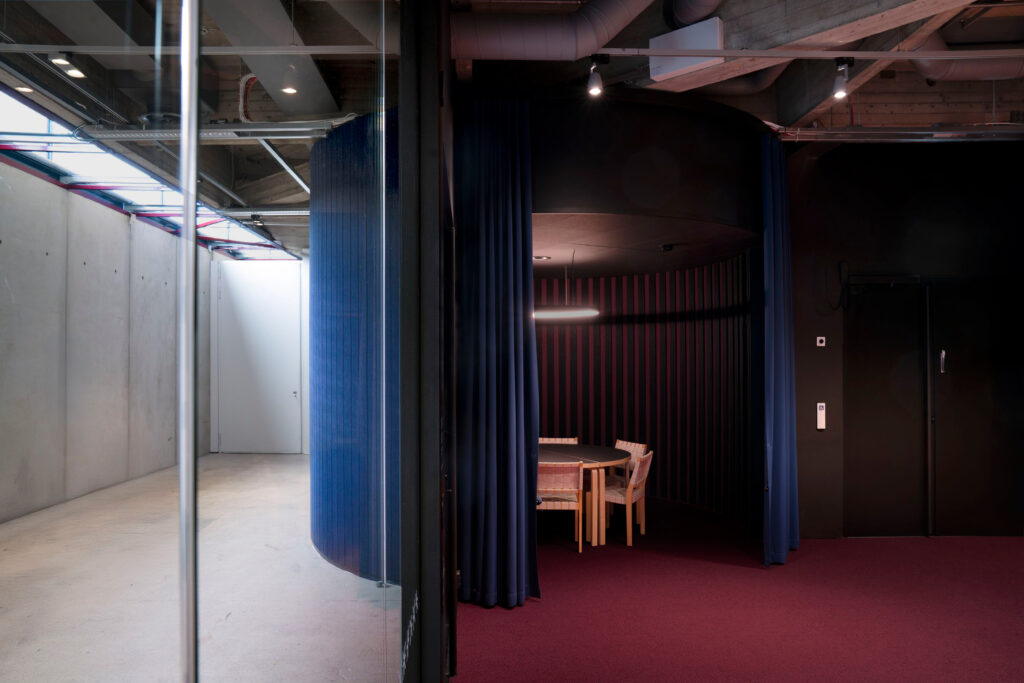
The flexible, mutable spaces that define contemporary museums reveal the similarly shifting expectations of the audiences that frequent them, the role and purpose of the organisations that run them, and reflect the need to forge new connections between museums and society in its widest sense. Luova, a new meeting and event space at Espoo Modern Art Museum, emerged from this context.
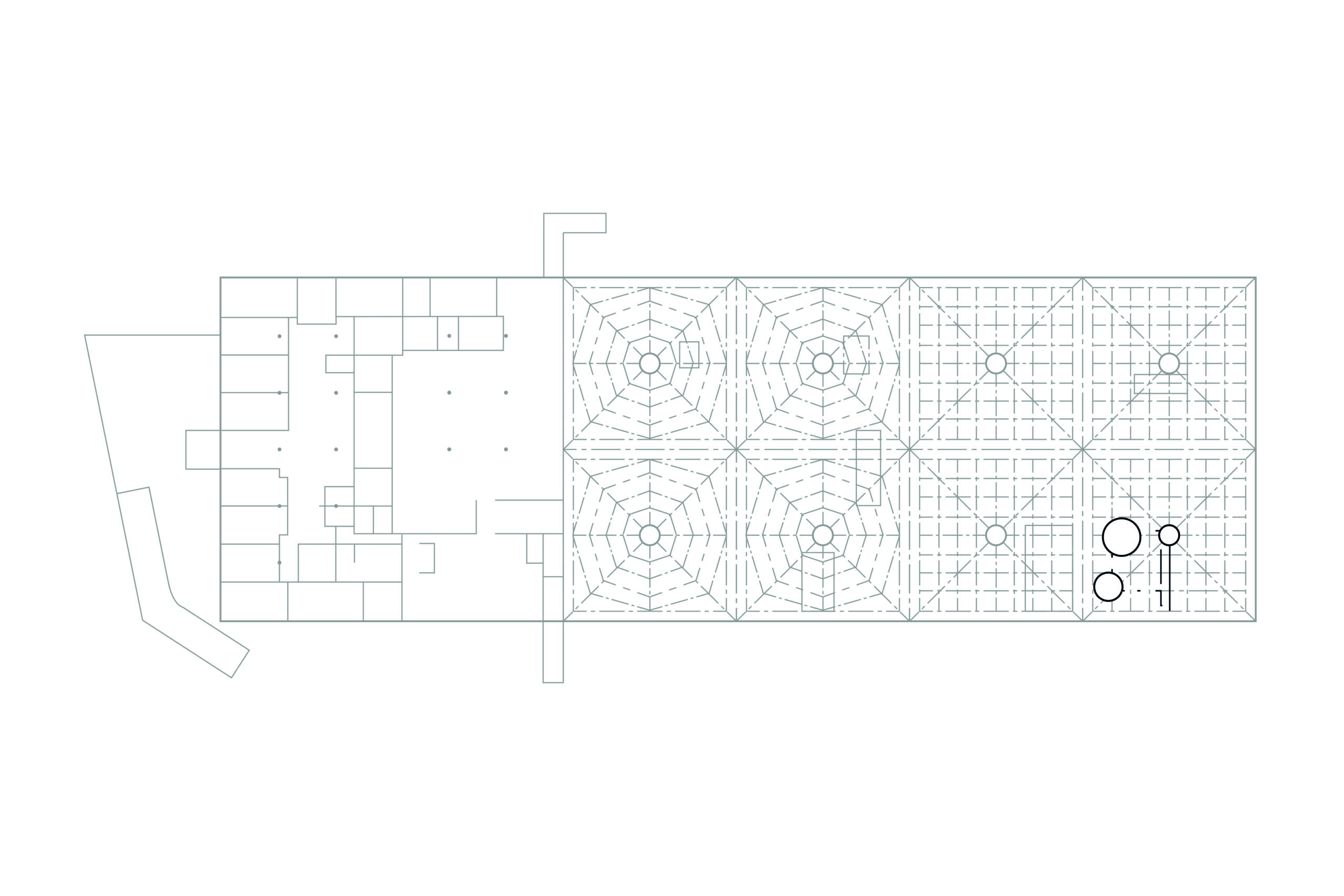
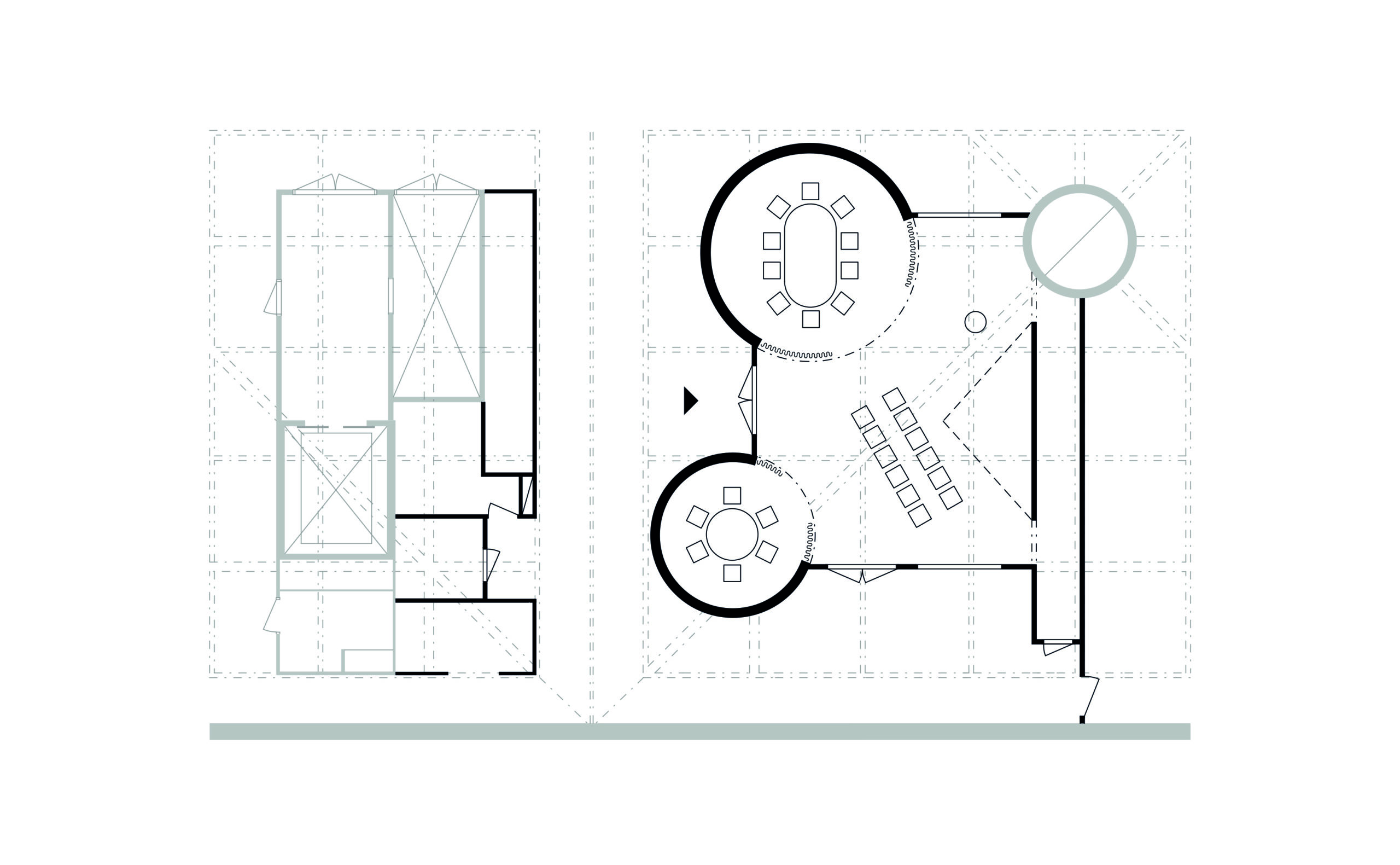
As designers, we intended Luova as a bold and potent space. It is located at the very heart of the museum, on the first floor of the Aarno Ruusuvuori-designed WeeGee Building (1964, 1967), a former printing house. Luova has been built to serve as host to performances, workshops and private events. When not used for those purposes, it can be seamlessly amalgamated into the gallery around it as a screening room for video art from the EMMA collections.
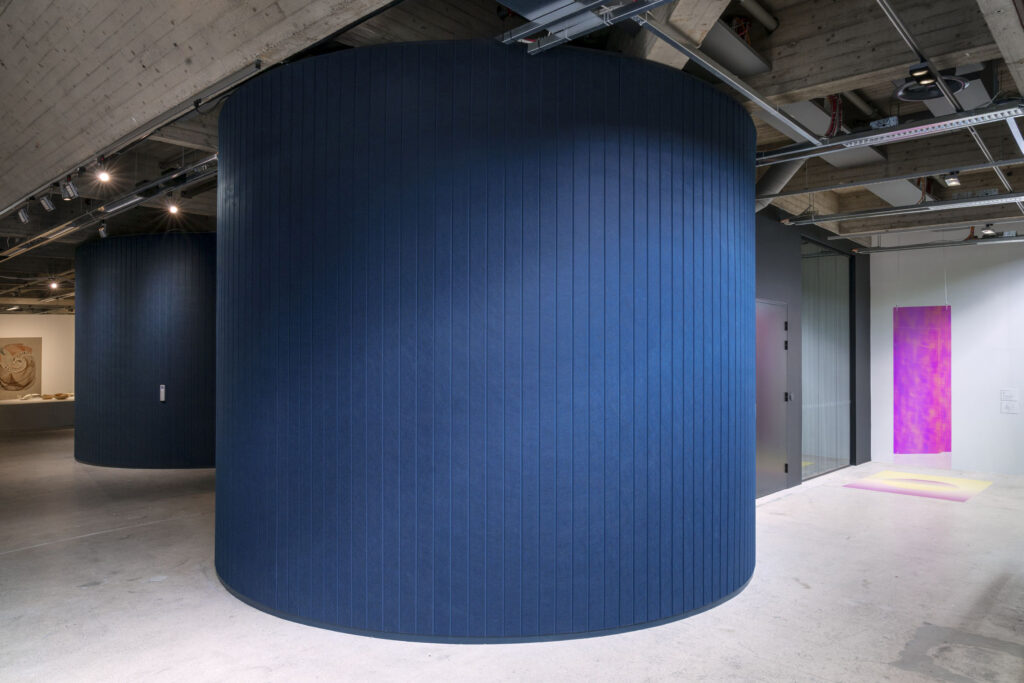
The concept draws its inspiration from the cabinets of curiosities and wonder-rooms popular during the Renaissance that created spaces, at once intimate and elevated, in which to engage in socialising and debate, away from the pressures and distractions of everyday life. Luova comprises two such “wonder-rooms”. They are round in shape, in a nod to the large concrete pylons that support the building around them, and connected by a space in between, which can be divided to suit a range of uses and occasions with curtains.
keltainen toimisto

(b. 1996) and Havu Järvelä (b. 1995) study the mainstreaming of planning practices capable of supporting urban woodland preservation and the reuse of building components.
Hemmesta Water Tower
competition entry “Jenga”
Architects Heljä Nieminen, Havu Järvelä
Location Varmdö, Sweden
Completion 2023
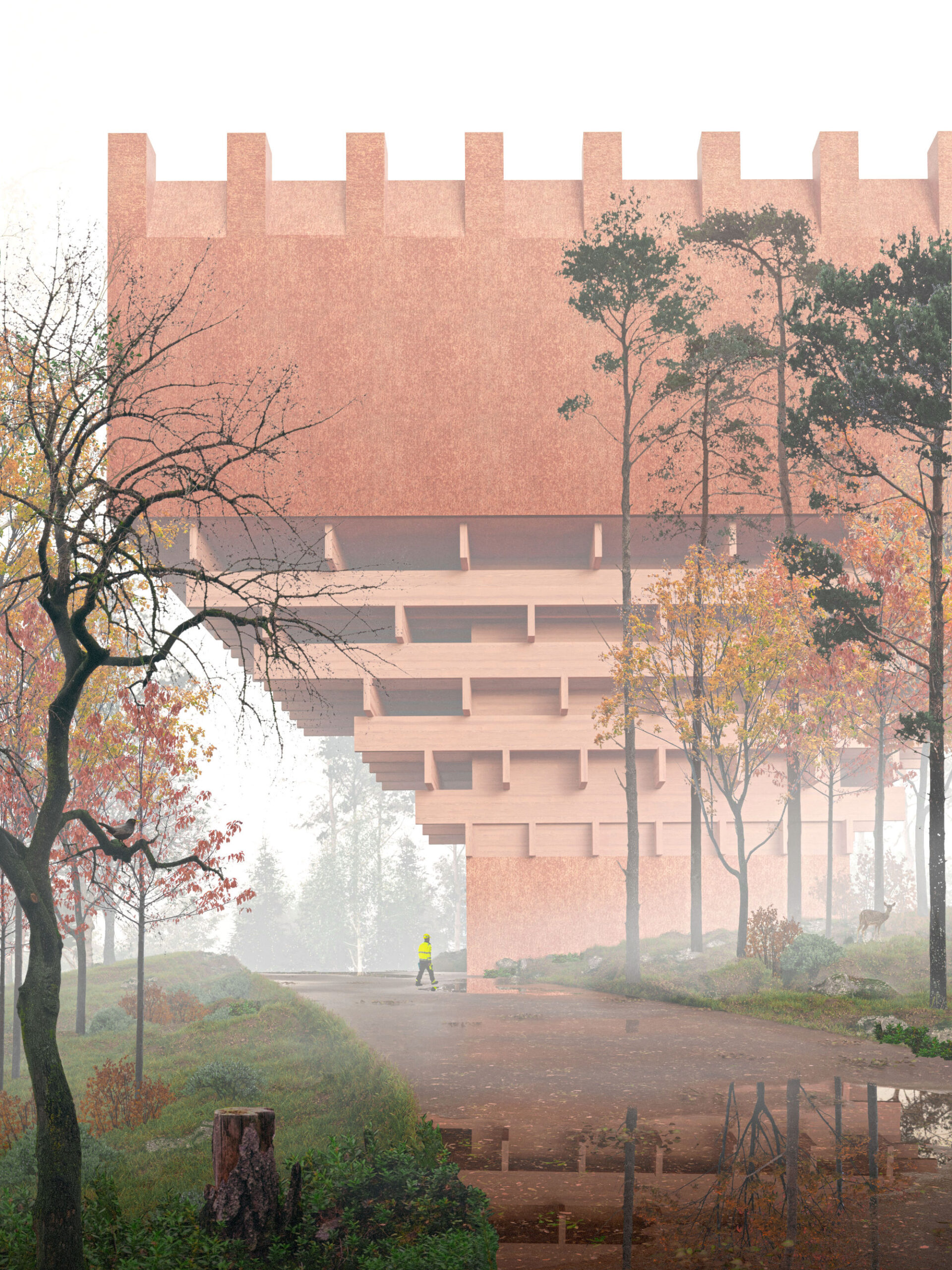
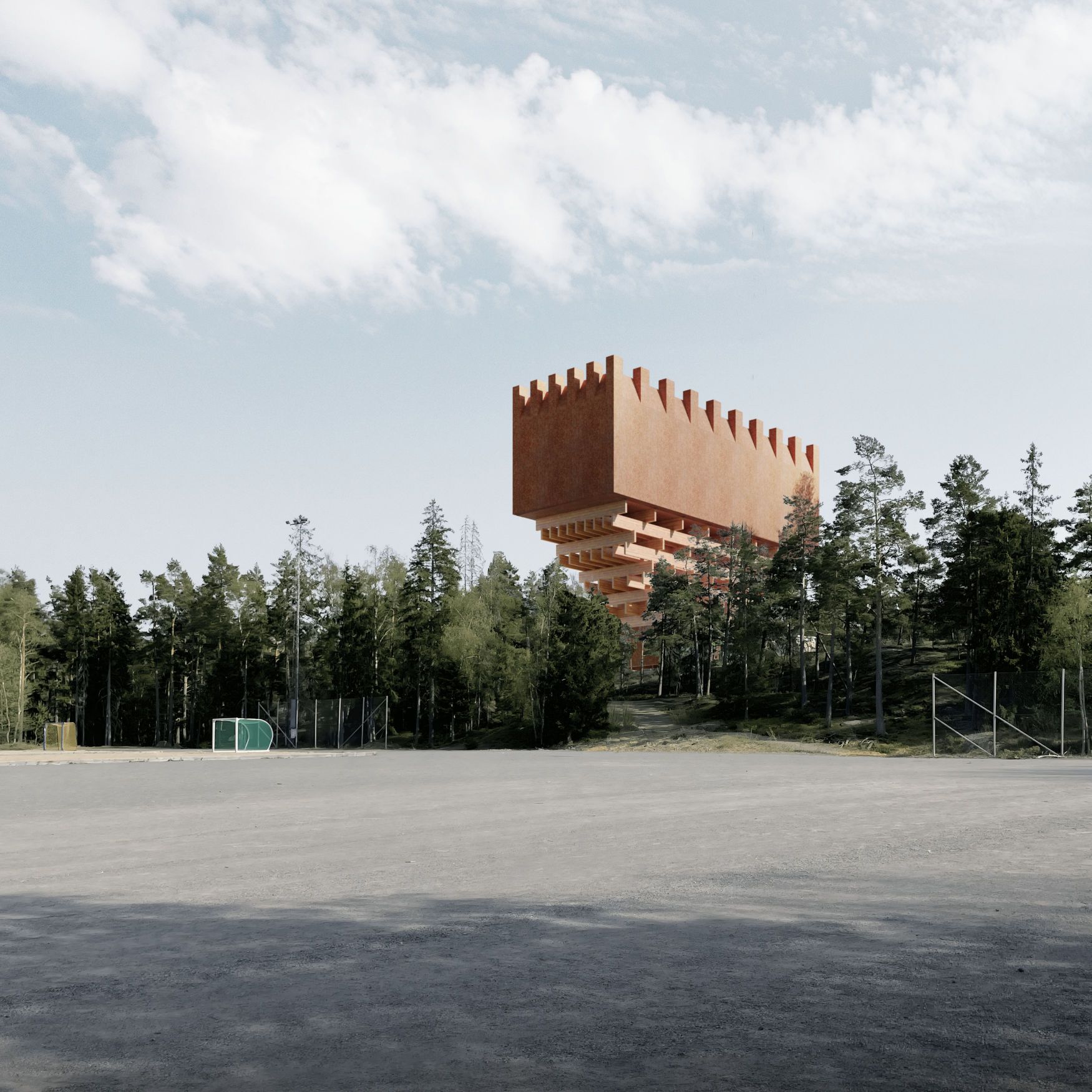
There is no reason a water tower cannot be both a key infrastructure installation and a visitor attraction with instant recognition factor, as well as a decisive step on the road towards sustainability. This was our reasoning as we prepared our proposal for a timber water tower in response to an open architectural competition run by the Värmdö local authority in Sweden. Contemporary Nordic architecture offers a wealth of innovative precedents for everything from wooden bridges to high-rise housing, but as a wood construction typology, a timber water tower would be a first.
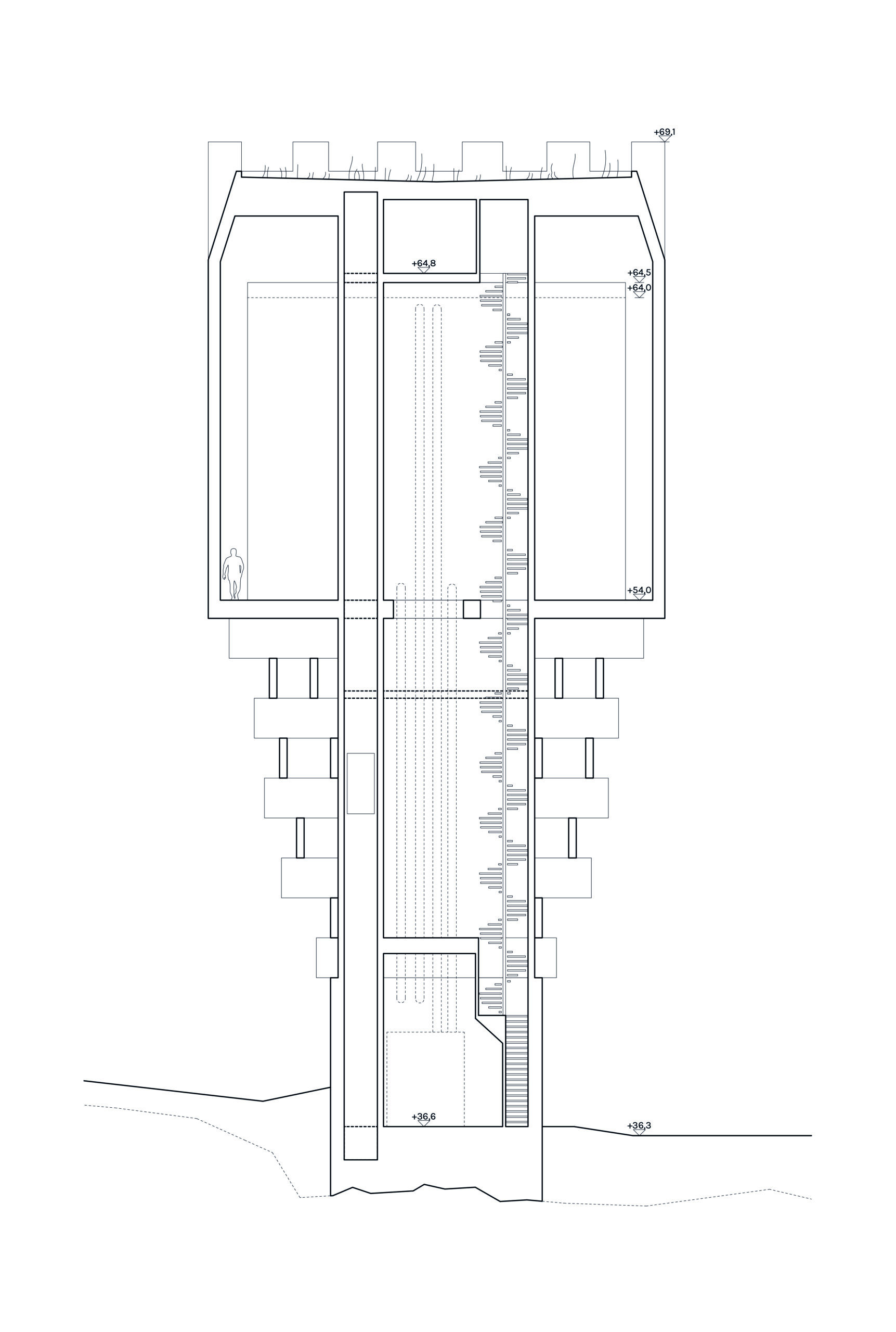
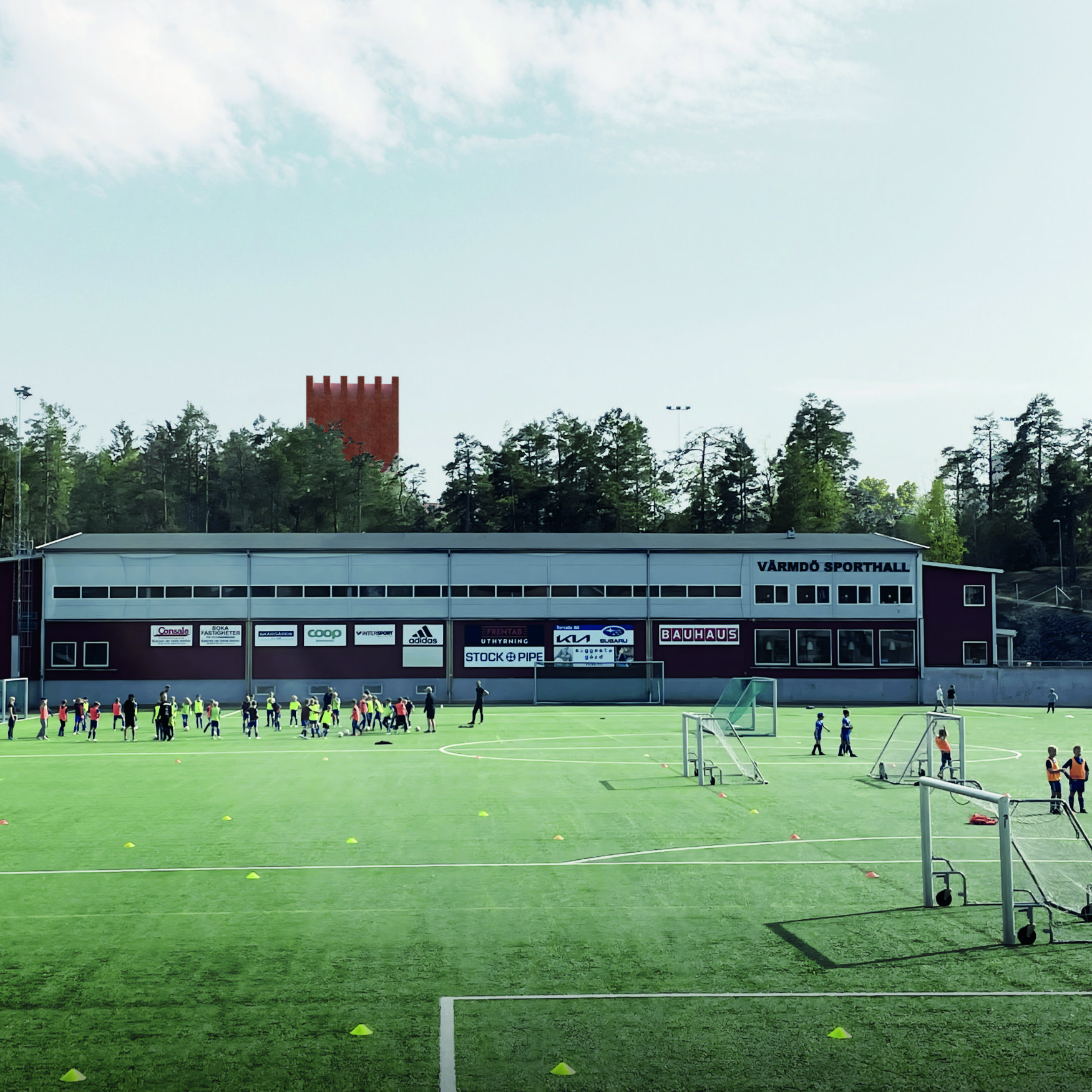
In our design, a series of wooden beams support the steel water tanks in a way that creates the illusion of them floating above the treetops. The water tanks, in turn, protect the structures from rain. A slim base leaves a minimal footprint on the forest floor, while the tops of the tanks draw a highly distinctive silhouette that soars above the treetops.
Our chosen orientation for the tower leaves its shortest facades facing the longest sightlines towards it. In the centre, rising above the pressure regulator station, reside the building’s core functions: lift, stairs, office and pipe system. A timber-built water tower is a resource-efficient solution that captures not only water but carbon dioxide too.
Vokal
Geography of Memories
art and research project
Architects Ella Kaira, Matti Jänkälä
Location Meri-Rastila, Helsinki
Completion 2025
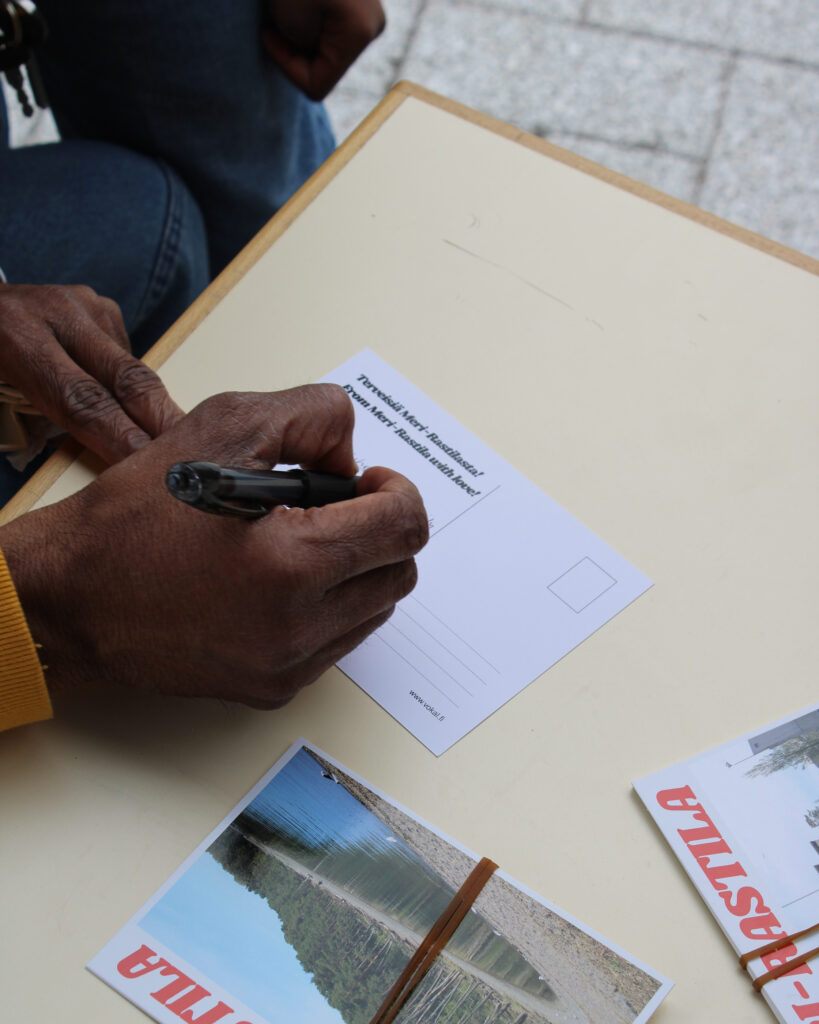
In Geography of Memories, we worked together with the local community in the Meri-Rastila neighbourhood in Helsinki, to gather and record their memories of the place and the intangible values associated with it. The neighbourhood is set to undergo a major urban regeneration project which will see the demolition of much of the existing building stock. The purpose of our project was to document the meaning inherent in these buildings and to explore how the community’s silent knowledge and social lives can be lent visibility through cartographic and architectural presentation methods.
We invited residents, current and former community activists and local businesses to contribute their thoughts and insights through a series of workshops, interviews and walks. The results were documented in a book and a memory map. Both the map and a “deconstructed” version of the book went on display in the Merirasti Chapel saved from demolition and now transformed into the Merirasti Cultural Space. The project was funded by the Alfred Kordelin Foundation and the City of Helsinki.


PUBLIC OFFICE

Villach Westbahnhof
competition proposal (runner-up) and masterplan
Architects Leonard Ma, Carmen Lee, Larissa Franz, Sean Tyler
Location Villach, Austria
Ongoing 2019–
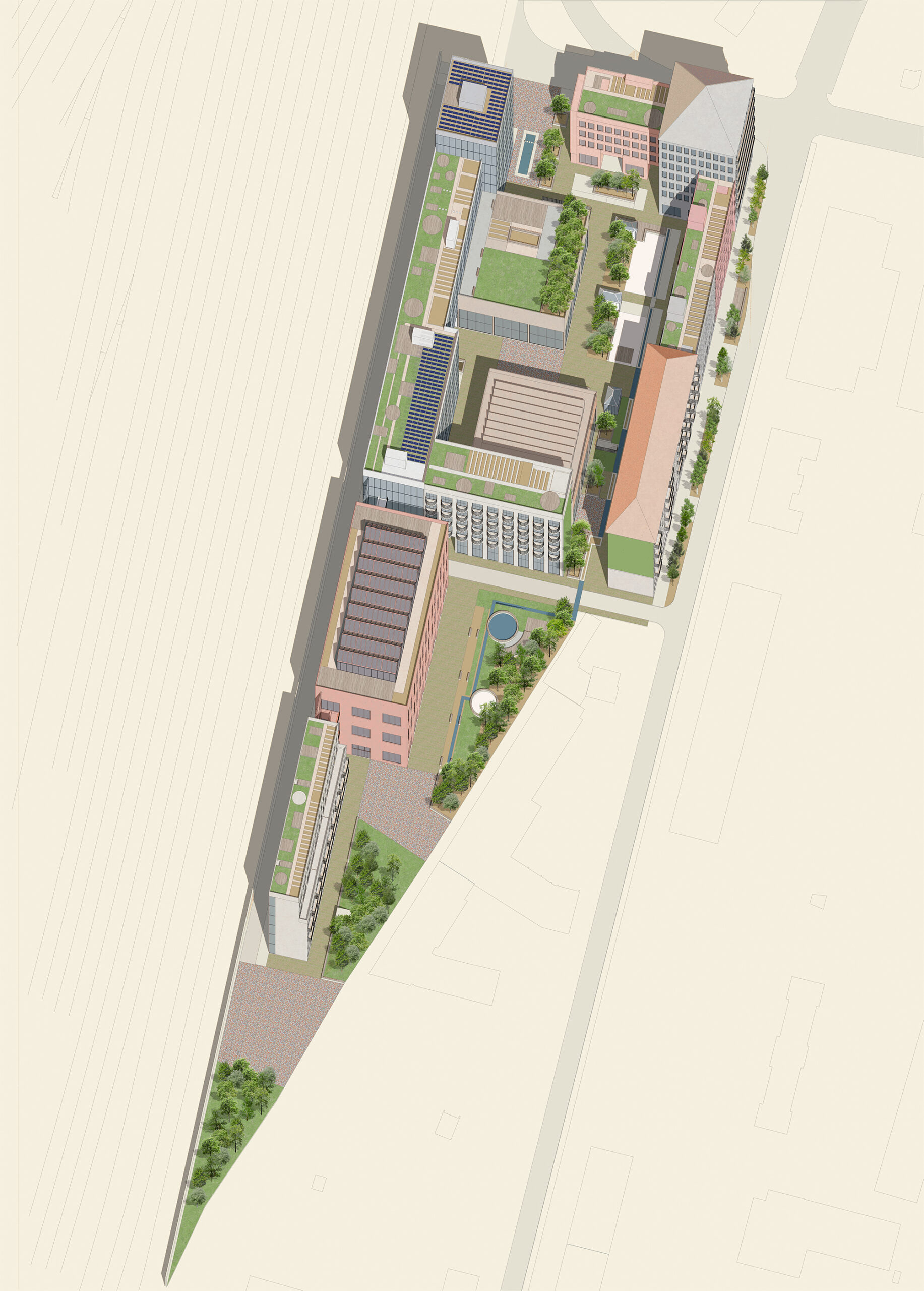
The masterplan for Villach Westbahnhof area resulted from a Europan 15 competition with the theme “Adaptable City”. It grew out of tiredness of repetitive use of courtyard blocks and “human scale” urban design.
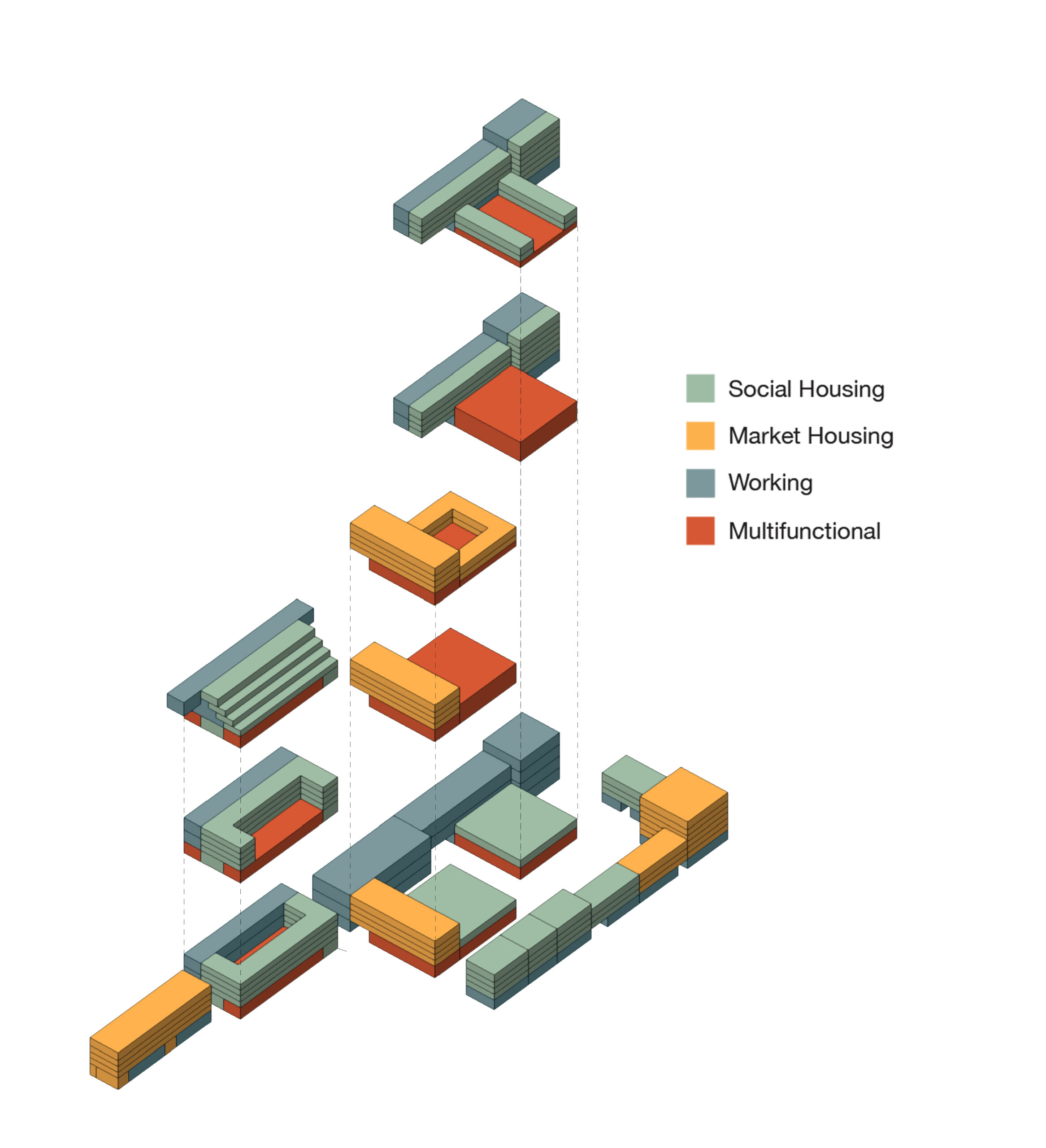
The project combines Aldo Rossi’s work on typology, with Rem Koolhaas’ work on the metropolitan condition to propose an urban plan that generates unpredictability through the juxtaposition of the “big box” and the “urban block” as typologies on the ground level. If the metropolitan condition in a skyscraper was produced through different floors of unrelated programs, maybe the same thing could be done at a district scale?
The competition process included a commissioned second phase. The design demands became quite challenging – the site is a former station area with many noise and technical constraints. Our team managed to convince the clients and city officials in the end with a design which gave clear urban form to programme other than housing, or “active street life”.
Presently, the masterplan is in the final phase of the political approval process, but due to the economic situation it will probably be some time before we see buildings on site. Currently, we are working on designing daycare centre and social housing on one plot, and an adaptable multifunctional building on another.

Aie
Lower Forge Restoration and Adaptive Reuse
Architects Astria Excell, Kaapo Lipasti
Location Strömfors Ironworks, Loviisa
Gross Area 560 m2
Completion 2024
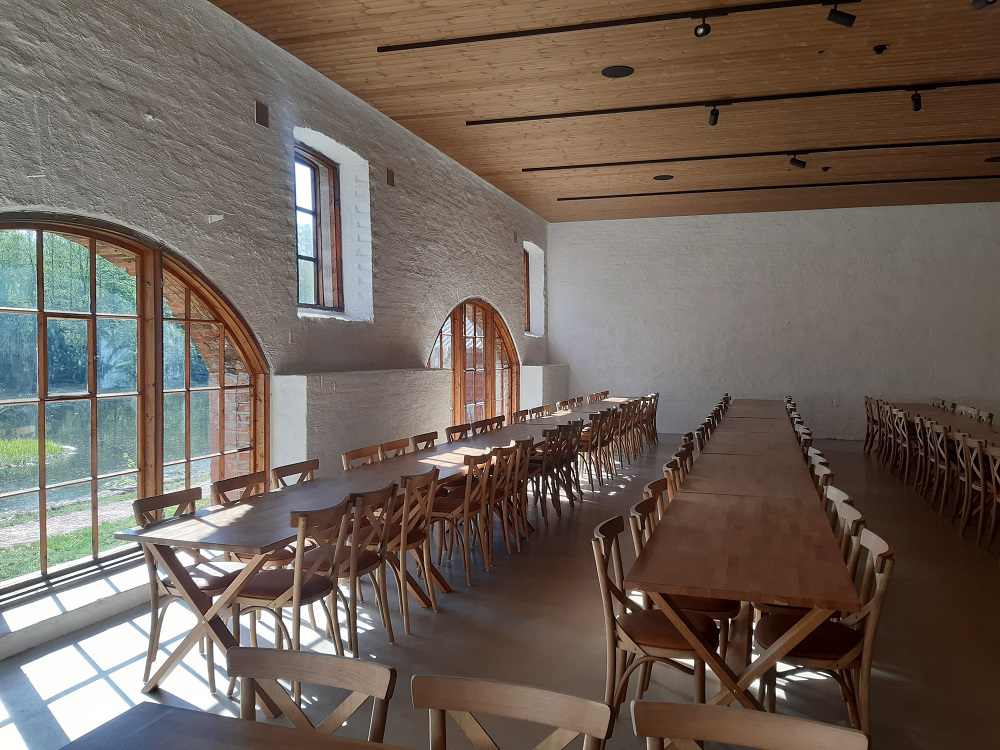
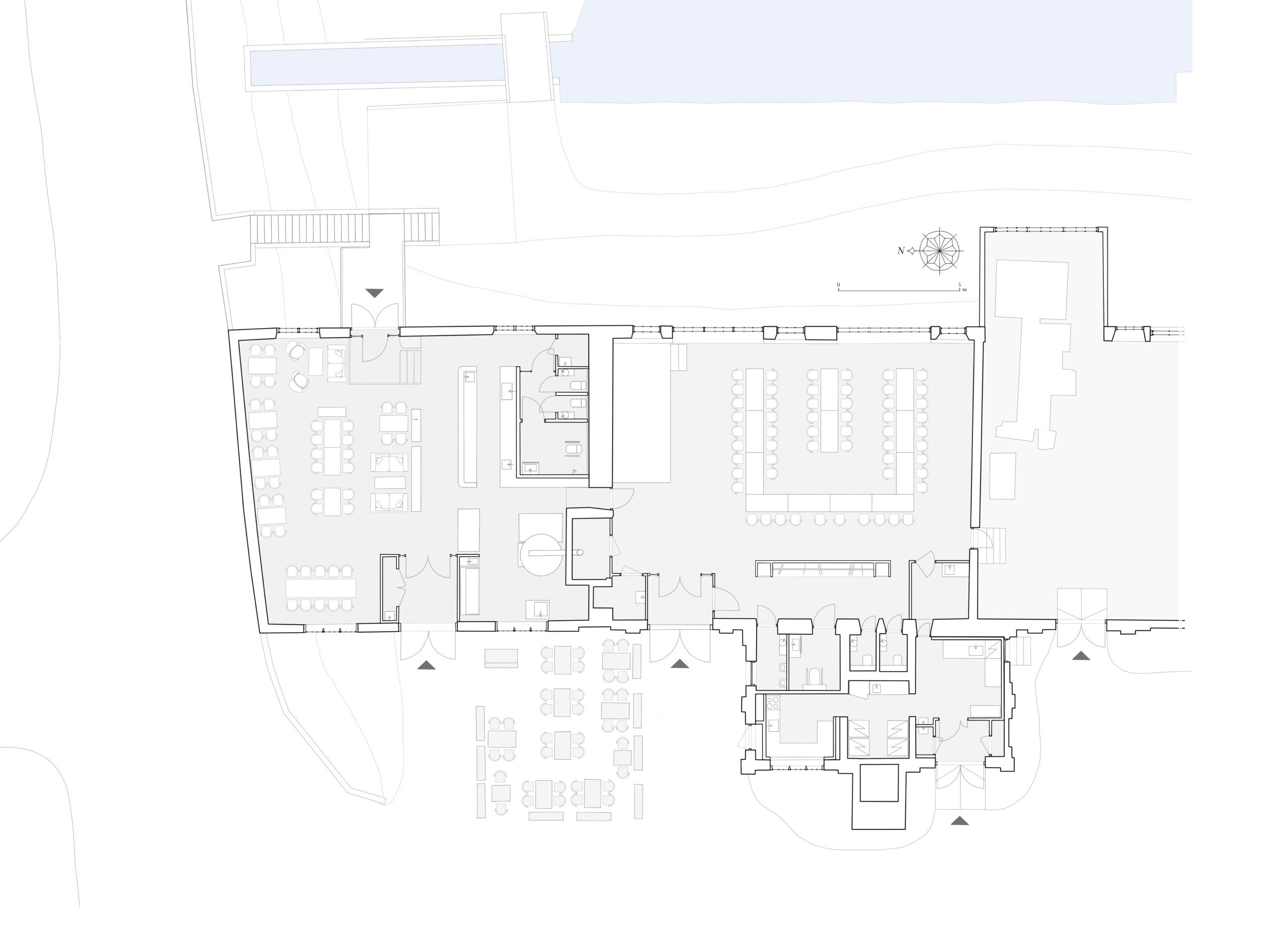
Strömfors Ironworks is an iron mill founded in the 1690s in southern Finland. The Lower Forge’s wrought hammer hall was restored and adapted to serve as a year-round event space, supporting the mill’s current use as a cultural tourism destination.
The changes made after the 1950s had begun to cause significant structural, moisture, and ventilation problems in the listed building. In addition, the building had some functional challenges, such as a café that did not meet current food legislation requirements, restrooms that could only be accessed from outside, and a museum locomotive that had partially cracked the floor.
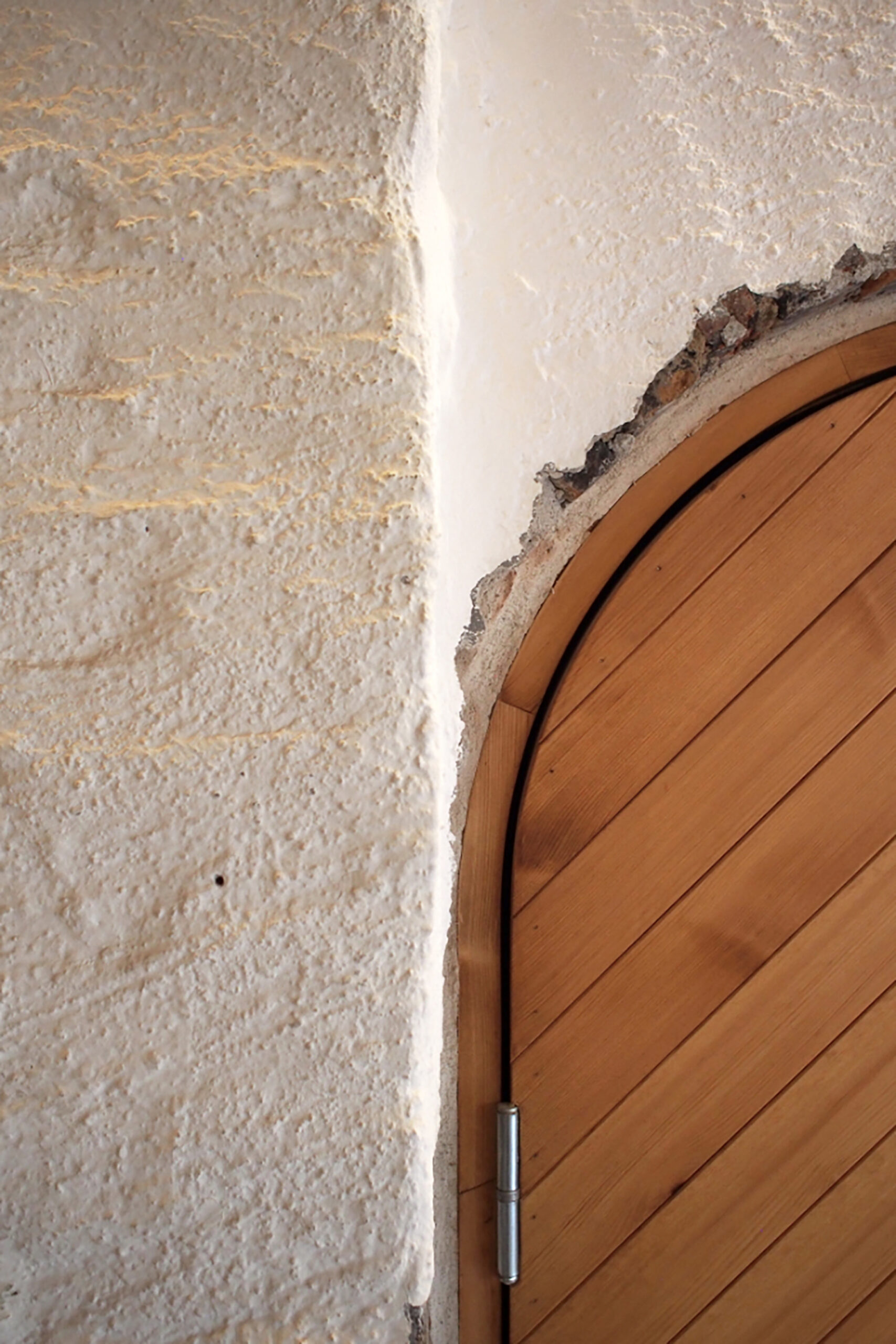
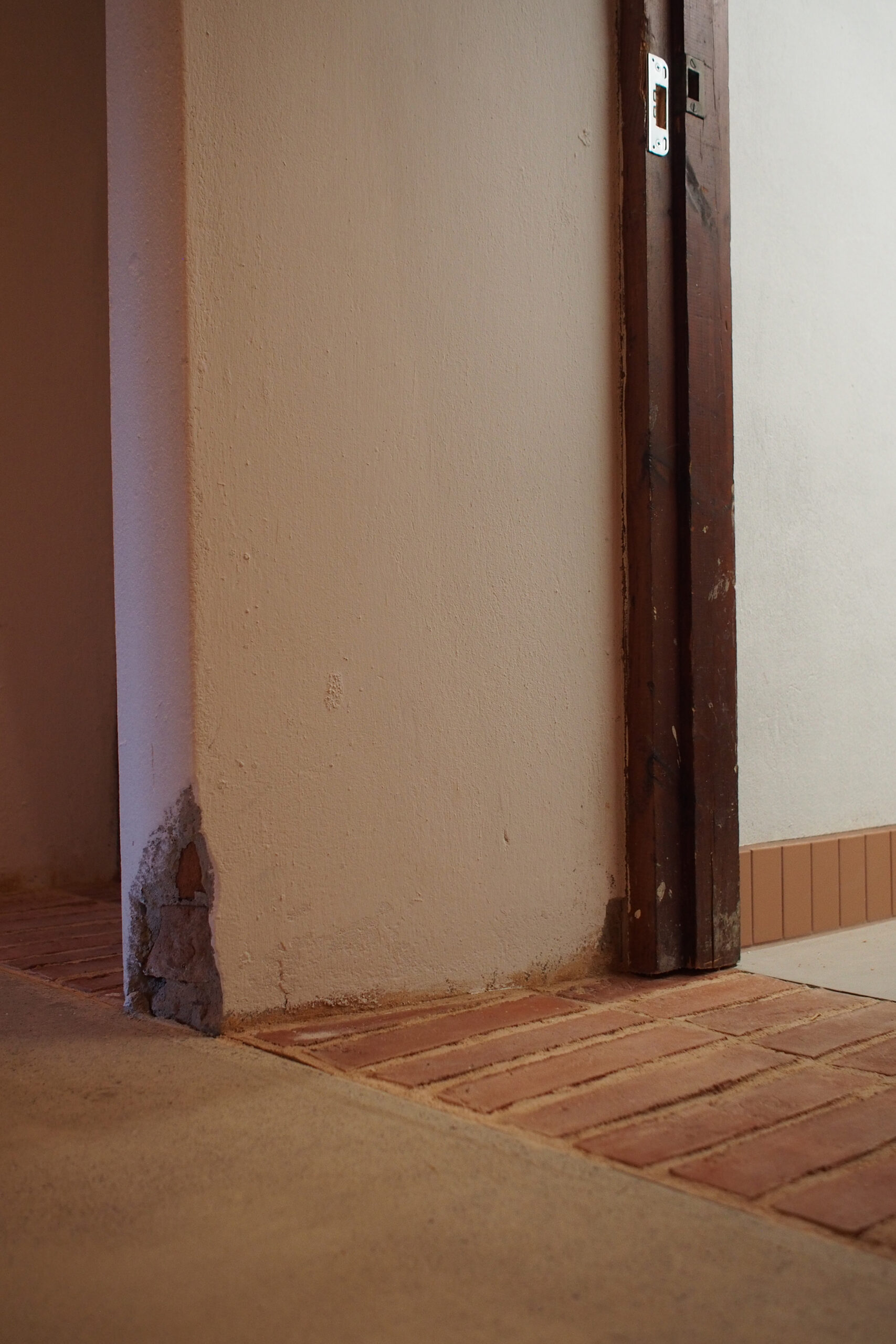
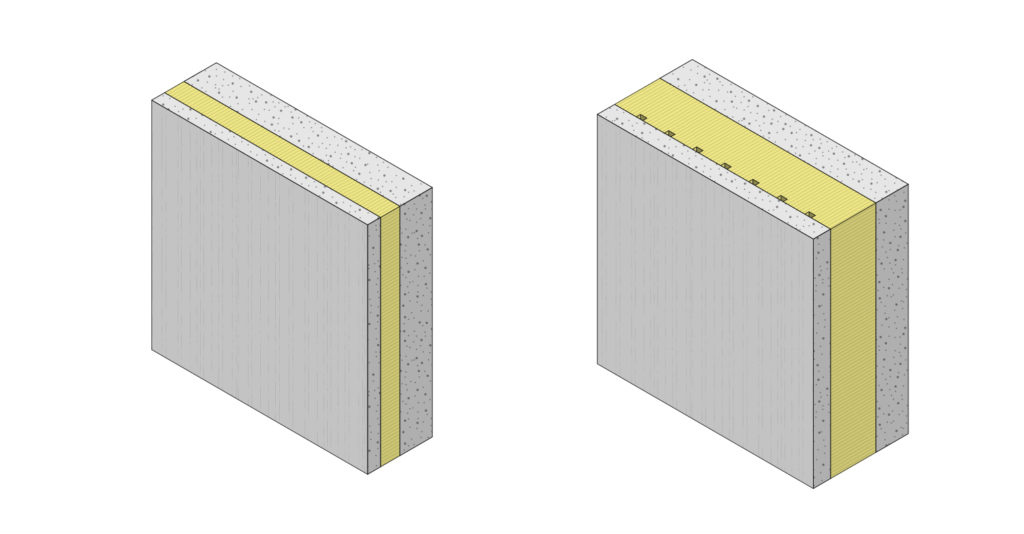
The concrete floor was rebuilt with capillary barriers and insulation to prevent moisture from rising into the structures and indoor air, historical brickwork was repaired using the iron mill’s original bricks, and natural ventilation was restored by opening new inlet air valves in the walls and redirecting the airflow outward by creating a subtle underpressure toward the exit valves. All the new exit valves were routed through the two existing chimneys in order to avoid making any changes to the roof.
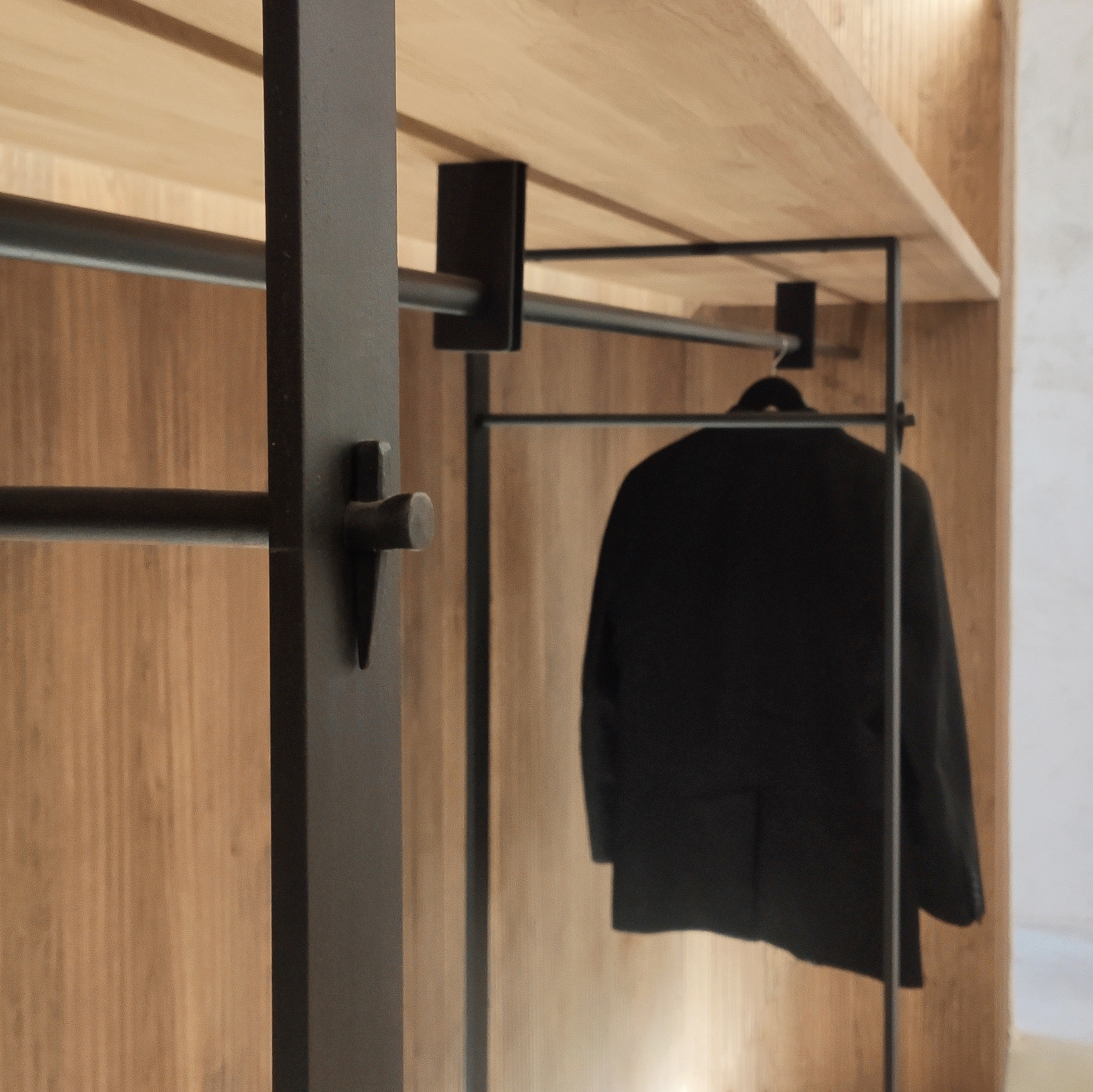
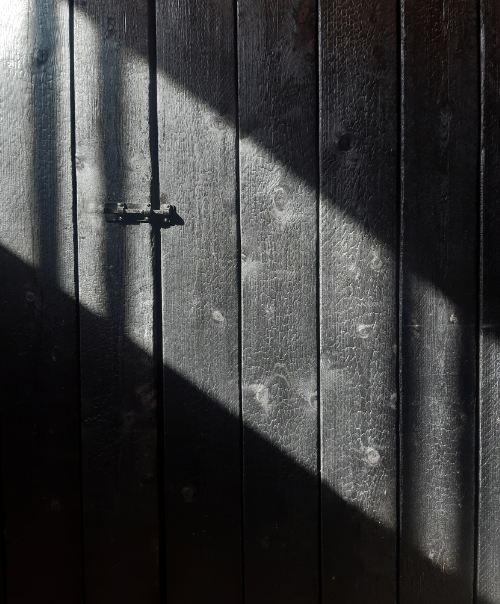
In making the changes, care was taken to preserve patina and layers of history, to repair only what was necessary using traditional techniques, to use solely materials that had previously been used in the area, and to clearly distinguish new structures from old ones. Interior design choices reflect the site’s heritage. The charred panels were chosen for the vestibule to reflect the era when the hall’s walls were black from coal dust and ash. The bespoke coat rack in the cloakroom is clad in hand-turned oak panels crafted by a local parquet factory and adorned with custom hand-forged iron details co-designed with the village’s master blacksmith. Greater changes were made with the idea that they could also be removed gently in the future if needed.