Advert


The bubble of the fortunate
Zurich’s housing co-operative model represents a success in both social policy and urban governance. It is based on political support measures that do not currently exist in Finland.
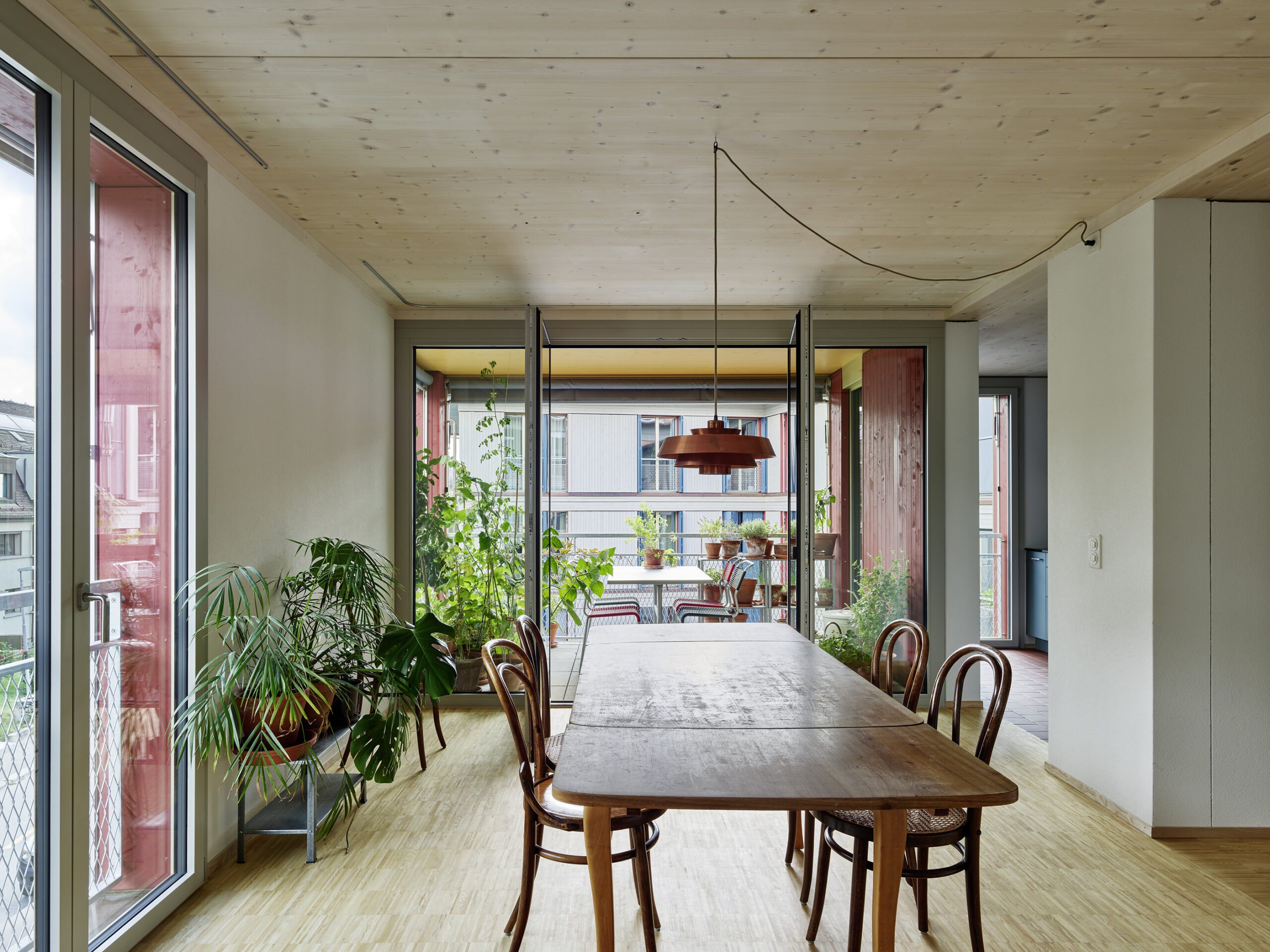
Zurich has long reinforced Switzerland’s reputation as a country of high-quality housing production. My repeated visits to Zurich have consistently confirmed this perception, most recently during a stay in autumn 2025 in the guest room of my friends’ newly completed co-operative apartment. However, the influx of global capital to the city continues to drive prices upward and to distort local housing markets. A pervasive demolition boom – one of Zurich’s less celebrated characteristics – has rapidly replaced older housing stock with high-end developments. Against this backdrop, it is striking that my friends, ordinary middle-income architects, are able to live in a newly built 100-square-metre family apartment approximately three kilometres from Zurich’s main railway station. This apparent paradox is made possible by a robust housing co-operative sector that occupies a distinctive position between market-driven development and public housing provision, and that has succeeded in reconciling affordability with architectural quality in an exceptional manner.
Would you like to read the full story?
Subscribers have a full access on our website and the digital magazine archive.
Also these might interest you


Advert