Advert
Mirkku Kullberg: ”Paimio Sanatorium can become the most interesting and important meeting place in the Nordics”
Paimio Sanatorium can offer answers to what kind of problems can be solved through architecture and design in a world where there are already enough goods and buildings, says Mirkku Kullberg, CEO of the Paimio Sanatorium Foundation.
What recent event best illustrated the connection between Alvar Aalto’s architecture and Finland’s geopolitics?
Some might say it was the presidential celebration for the 50 years of the Helsinki Final Act, which took place on 31 July 2025 at Finlandia Hall in Helsinki, the same building where the original agreement was reached in 1975.
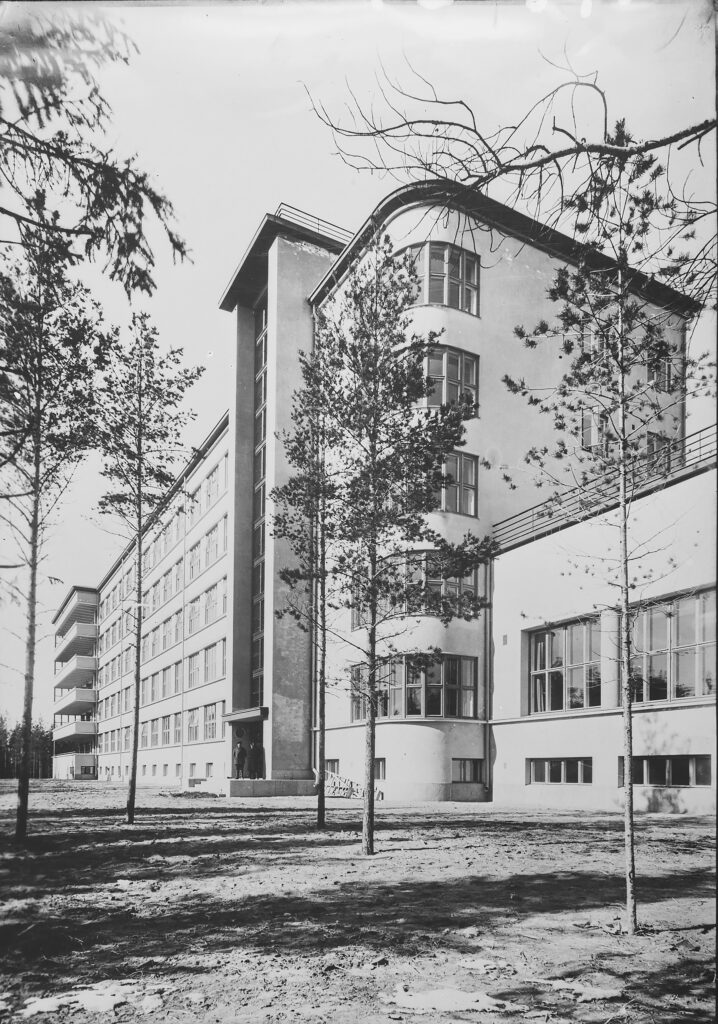
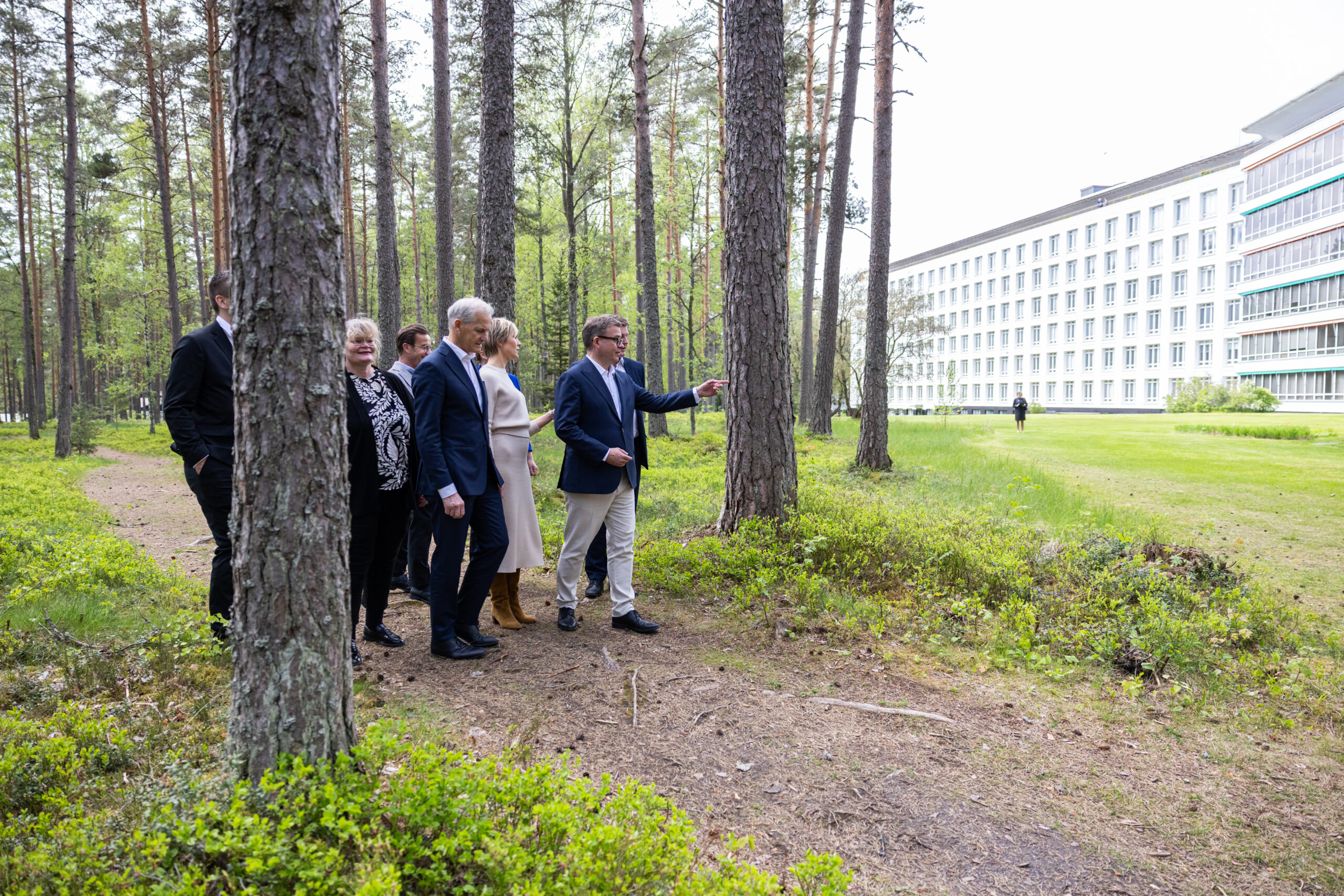
But I would argue that another meeting carried even greater significance. It happened on 26 May of the same year, when the prime ministers of all Nordic countries, together with German chancellor Friedrich Merz, gathered at Paimio Sanatorium, amidst the pine forests outside Turku, to discuss the region’s common challenges.
A former hospital in need of renovations, however cardinal in architecture history, is not an obvious location for a high-level political event. The meeting shows that architecture can participate in defining diplomatic priorities.
The renaissance of the sanatorium has been driven by Mirkku Kullberg, the Chair of the Board of the Alvar Aalto Foundation and Chair of the Paimio Sanatorium Foundation. Kullberg’s background is in business, having previously worked as the CEO of Artek and held top positions at Vitra, Poltrona Frau, and in the hospitality sector.
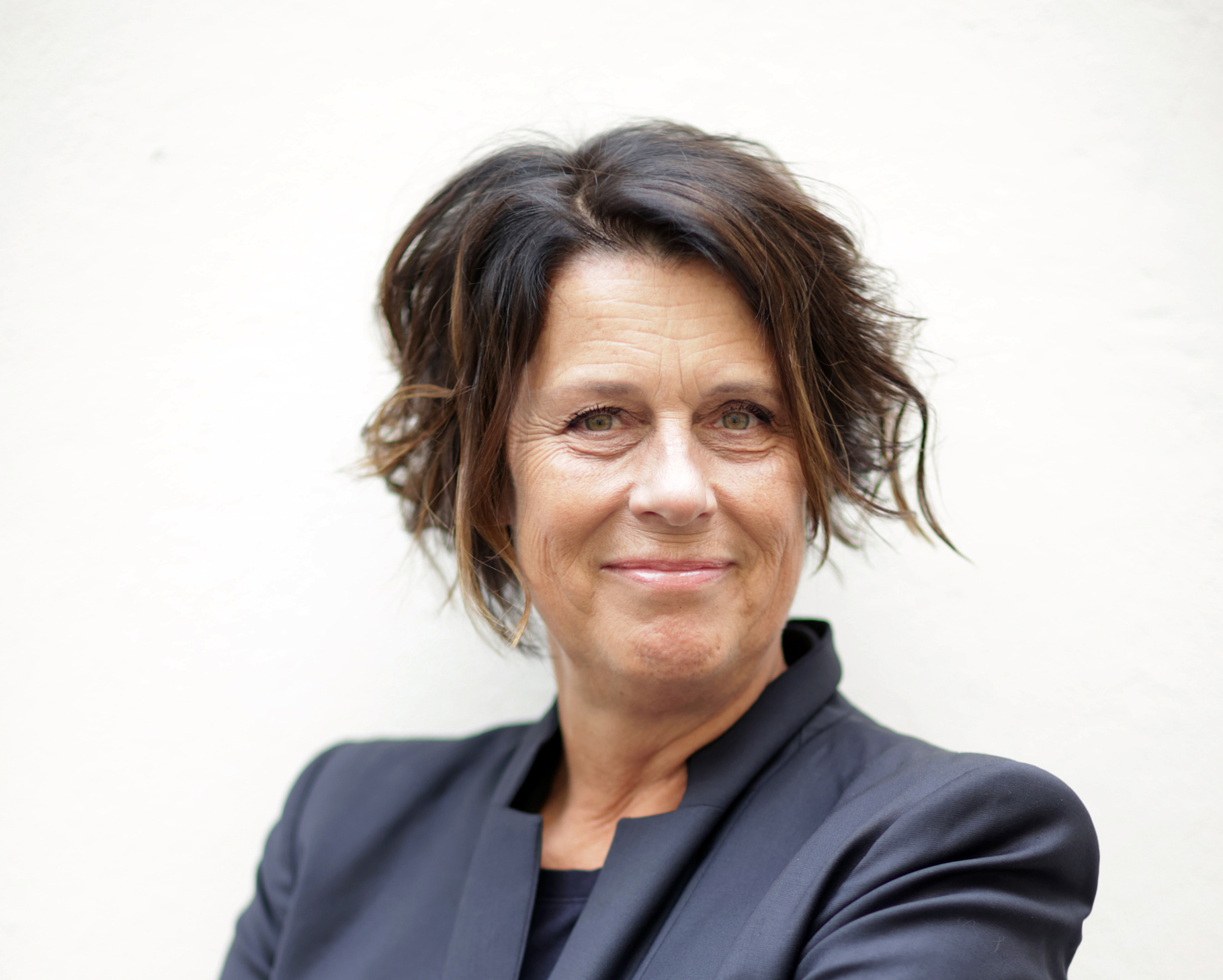
I sat down for an interview with Kullberg in late November 2025, on the very morning when news was announced that Paimio Sanatorium had obtained €10 million from the Finnish state for the renovation and long-term preservation of the building in the next three years.
More than a site for tourists
DB: Do you think a building can really play a role in Finland’s geopolitics?
MK: It can be an accelerator. We need acceleration in discussions, and we can create “rooms” where interesting people meet. I always say: get the three right people, and you’ll get thirty.
When that starts happening, Paimio Sanatorium can become the most interesting and important meeting place in the Nordics, whether for political leaders, architects, innovators, academics, or anyone else. It has the potential to be much more than a site for tourists. We should make it active.
DB: How does the architecture itself of the Paimio Sanatorium participate in achieving that objective?
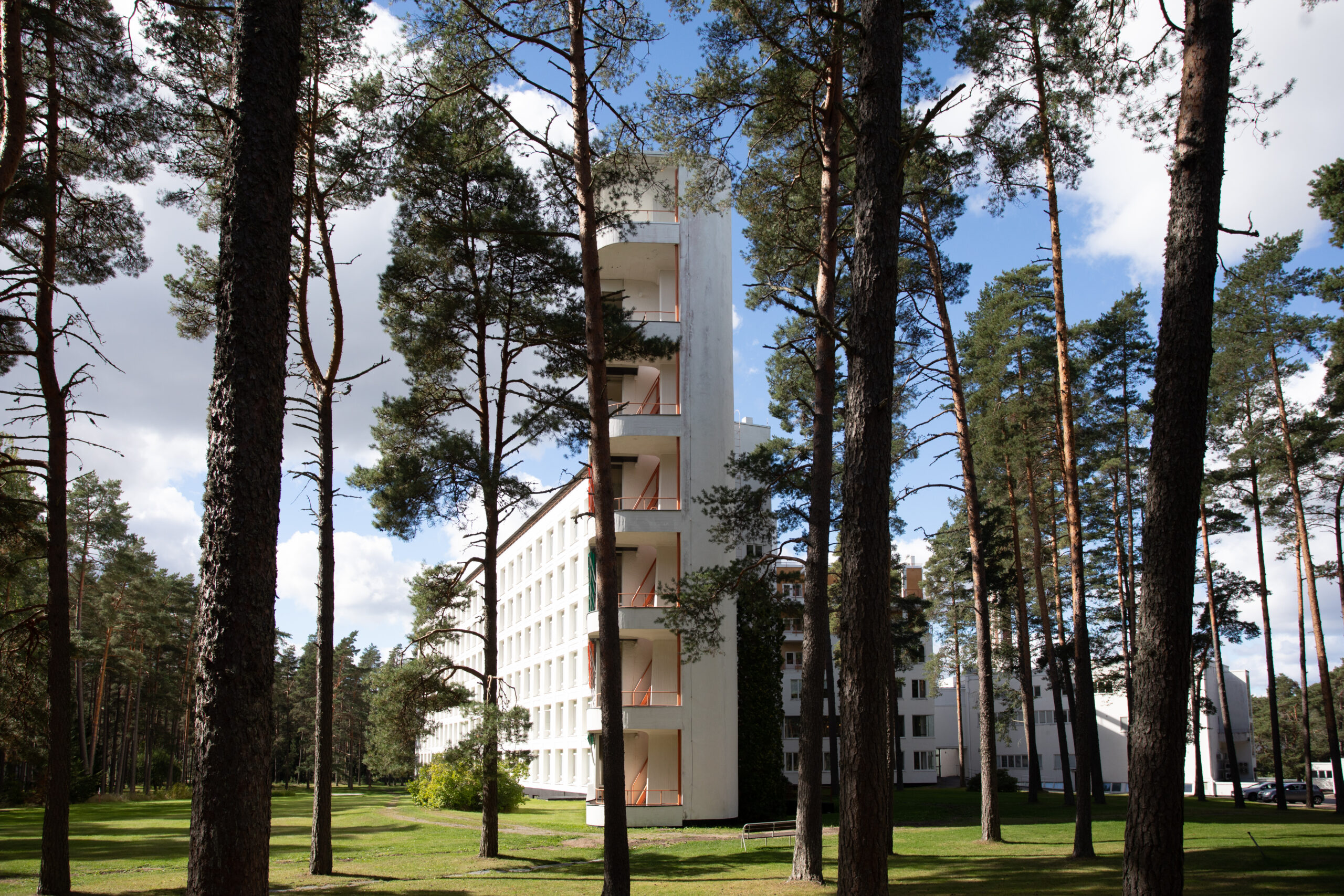
MK: One fundamental aspect is that it’s not in a city. When you arrive, you root yourself in the place. You take time and space to be present, and that is incredibly rare today.
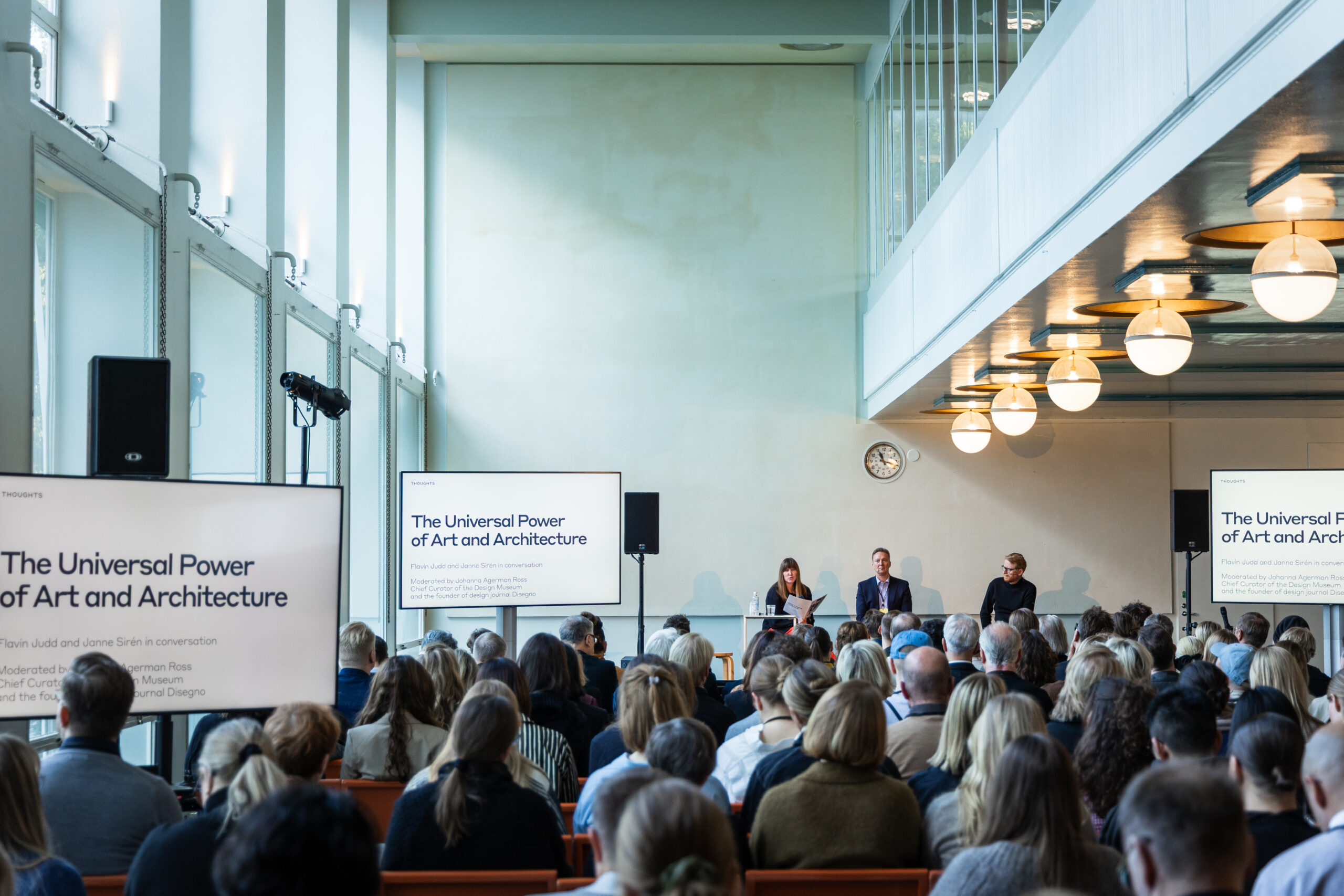
Also, the scale of the rooms, the proportions, are ideal. Not enormous ballrooms, but spaces where you can still hold a conference for 300 people. People can feel the architecture there and let that presence generate what I call the spirit of Paimio: the freedom to think radically.
When the Sanatorium was created, the Aaltos were envisioning a new type of wellbeing, creating a space where people could rest, be stimulated, and be inspired. They were breaking the architectural consensus of their time. We must do something similar today, though in more abstract ways.
DB: What type of consensus are you referring to?
MK: In Finland, we tend to set the bar at a level that is comfortable for everyone. And we’re afraid of making mistakes, afraid of aiming high. Let’s try to overperform a little. Something magical might happen.
If we want to create a project of true international calibre, we need to take our place on the scene, and that is what we are trying to achieve at the Paimio Sanatorium.
Finland’s core is wellbeing
DB: The original sanatorium embodied the idea of care. How does that idea remain relevant for its future?
MK: People need a place where they can breathe again. That was true then, and it’s even more true today. I mean “breathing” as much mental as physical. If we create a space where people can breathe, we are taking care of them.
DB: Breathing is intimate, personal. How does that connect with the geopolitical dimension?
MK: We can never focus only on the walls. We must focus on the content, on what happens there. And when you realize where the world is heading, the Nordics become increasingly interesting. Climate change, tourism, geopolitical shifts: travellers are coming here, while southern Europe is becoming difficult for many reasons.
But we must be careful about the kind of destination we create. Look at the tourism success of Lapland right now. I see a concrete risk of destroying its uniqueness.
What I mean is that Finland has a major opportunity to rise and say: we are the country of Nordic wellbeing, mental and physical. We create environments where people can feel better values embedded in life. All of this coalesces into Paimio Sanatorium.
DB: Is that what Finland can contribute to Europe?
MK: Yes. But we need clarity first. We must return to our core mission, elevate it to a global level, make it globally interesting, then we can lead. And Finland’s core is wellbeing.
We may be unhappy about the economic climate now, but this is still a civilized country with high education levels and functioning systems. Compare it to the mess in the United States, with high polarization and inequality. We have a strong, solid society. We just need to be confident about it.
Paimio Sanatorium built cultural integrity for Finland.
The core of architecture
DB: Other Aalto buildings have hosted major international meetings, such as Finlandia Hall with the Helsinki Accords in 1975. What would you like to bring to Paimio Sanatorium? Do you really want to create a “Davos of the North”? [Davos, Switzerland, is known for the annual meeting of the World Economic Forum, which brings together the political and economic elites of different countries.] Some design people would turn up their nose at that perspective.
MK: I’m not talking about replicating Davos as it is today. It became commercially saturated and lost its core. But what Davos once was, as a place to discuss climate, innovation, architecture, design, the future, that is something Finland could host naturally.
DB: During the Cold War, Finland also navigated between East and West, so we can see a stimulating albeit imperfect parallelism. How do you see this double history evolving now that Finland has unequivocally chosen its camp?
MK: There are moments in history when why something was done matters more than what was done. Navigating between the two poles of the Cold War was probably the only way to maintain independence and give Finland time to grow its identity. Aalto was also brilliant at speaking different languages: the language of capital to secure commissions, but also the language of culture and the international narrative. His work brought visibility to Finland and made us relevant.
We absolutely need a cultural content program: residencies, community programs, creative work on-site.
Today the boundaries are more blurred. Architecture has often become a media tool for capital, and sometimes it has lost the “why” at its core. Paimio Sanatorium, however, still embodies that question. It had a sociopolitical role. It built cultural integrity for Finland.
For the future, we must ask again: what is the core of architecture? What problems are we solving with architecture, design, innovation? The world is full of stuff. We don’t need new buildings. Paimio can be an example of the private and public sectors creating something remarkable together.
DB: The plans for Paimio Sanatorium are still evolving. If you had to sketch the future, say 10 or 20 years from now, how would you divide its functions, even roughly?
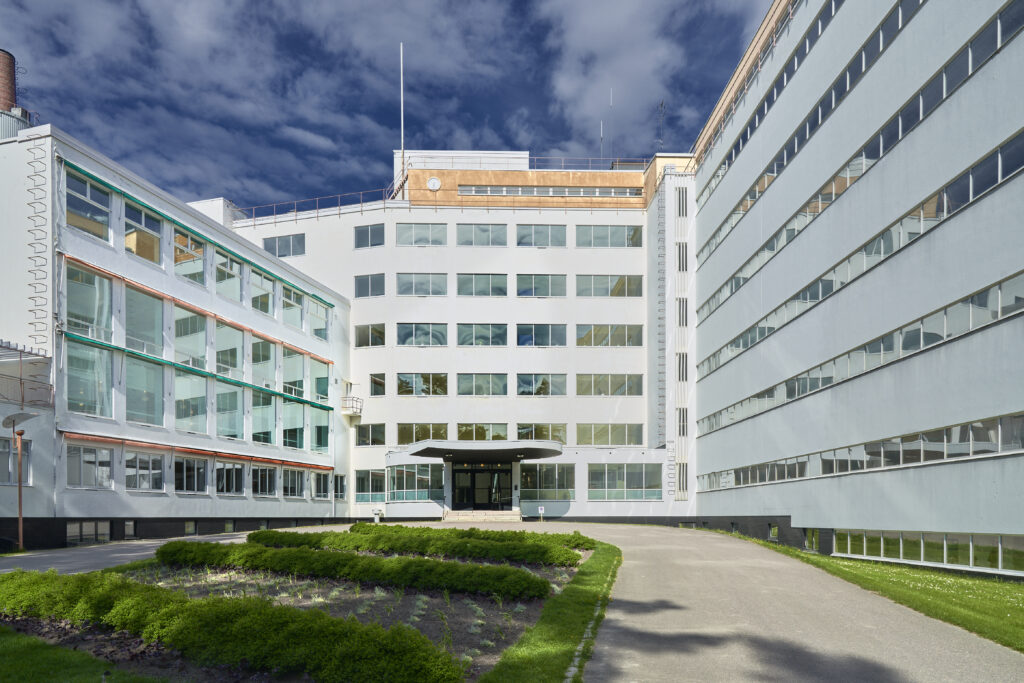
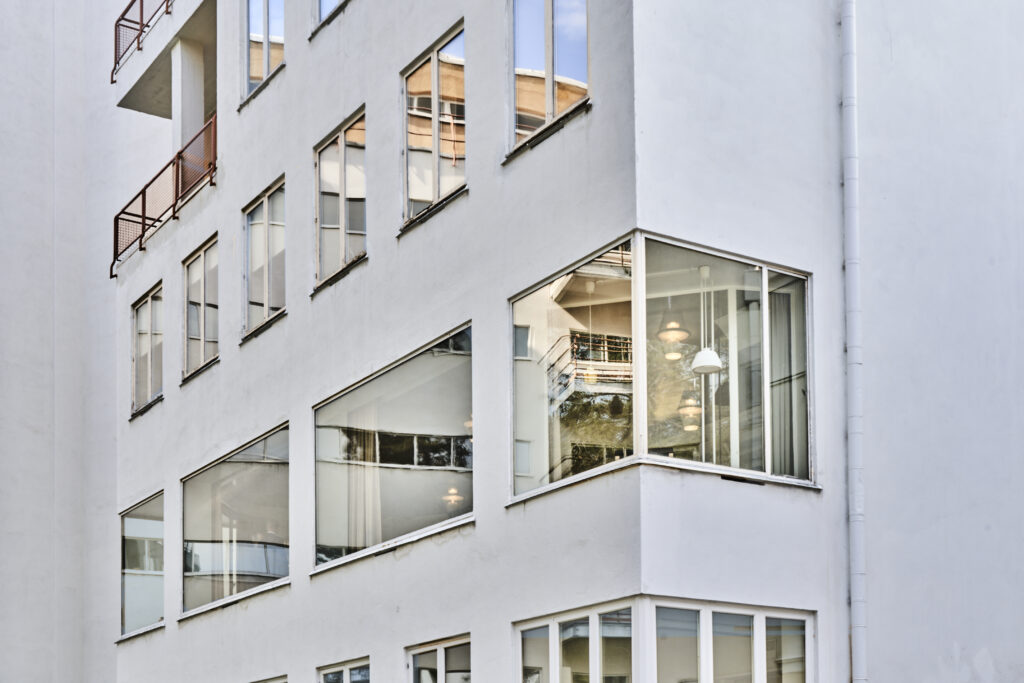
MK: If I take the freedom to think big, the main building is 14,000 square meters: a large structure that needs active use. Hospitality and wellbeing services make sense there. But there are also fourteen other buildings on the site. So a hotel will carry part of the business, but the site must also be open to the public. For instance, we need a visitor centre.
With minimal marketing, we already have 35,000 visitors a year. UNESCO listing for the Aalto sites, if successful, will increase that significantly.
Then we could have a public area, or a satellite museum with Aalto exhibitions. Turku is an Aalto city too, and it’s very close. And we absolutely need a cultural content program linked to it: residencies, community programs, creative work on-site. That brings the essence of the place to life. It’s not just walls. It’s what happens there and who comes.
The interview is part of the series “Finnish architecture in the shadow of geopolitics”.