ark
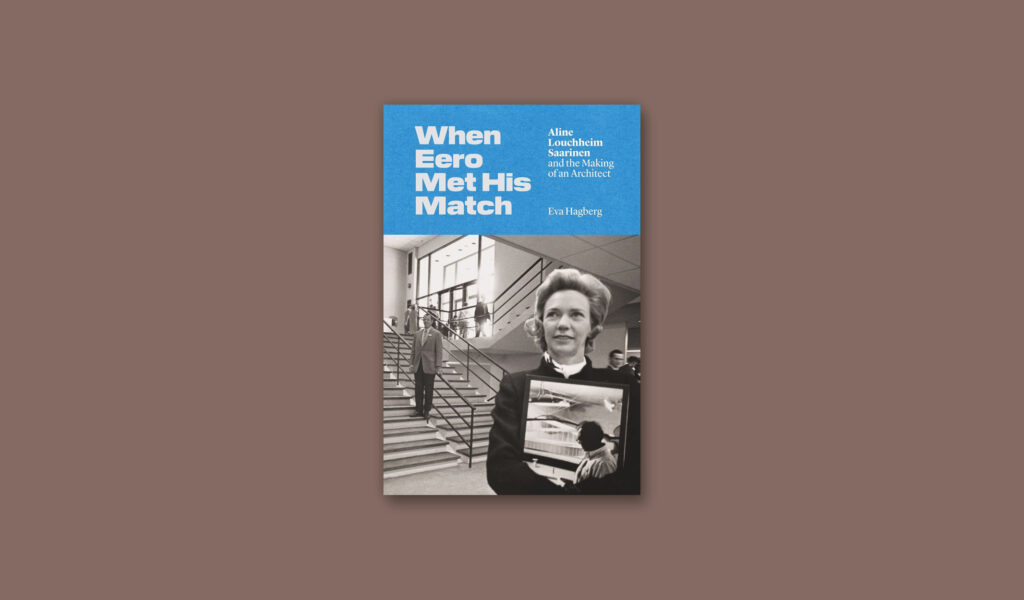
Eero Saarinen’s second wife, Aline Louchheim Saarinen, had a significant impact on how Saarinen’s architecture has been interpreted and understood.
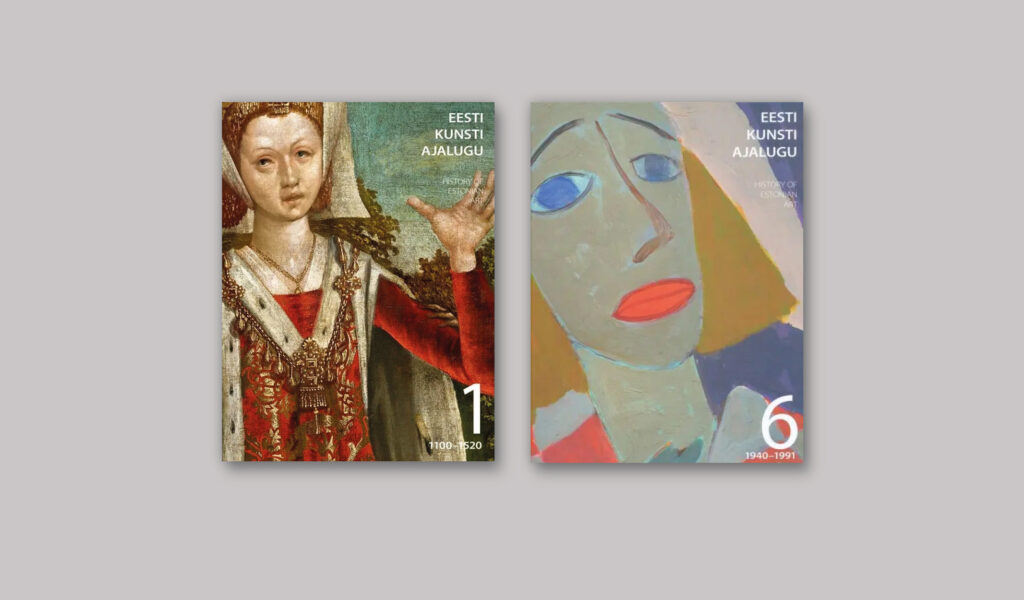
The book series edited and coordinated by the Estonian Academy of Arts brings together the development of Estonian arts from the Middle Ages to the present day.
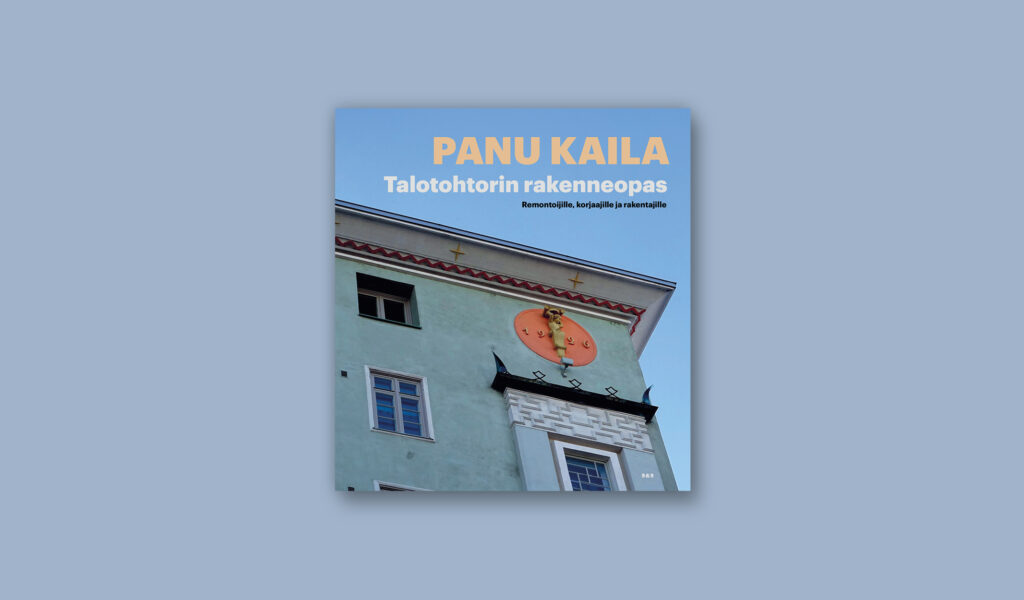
Panu Kaila’s latest book offers a critique on the technical solutions of modern construction.
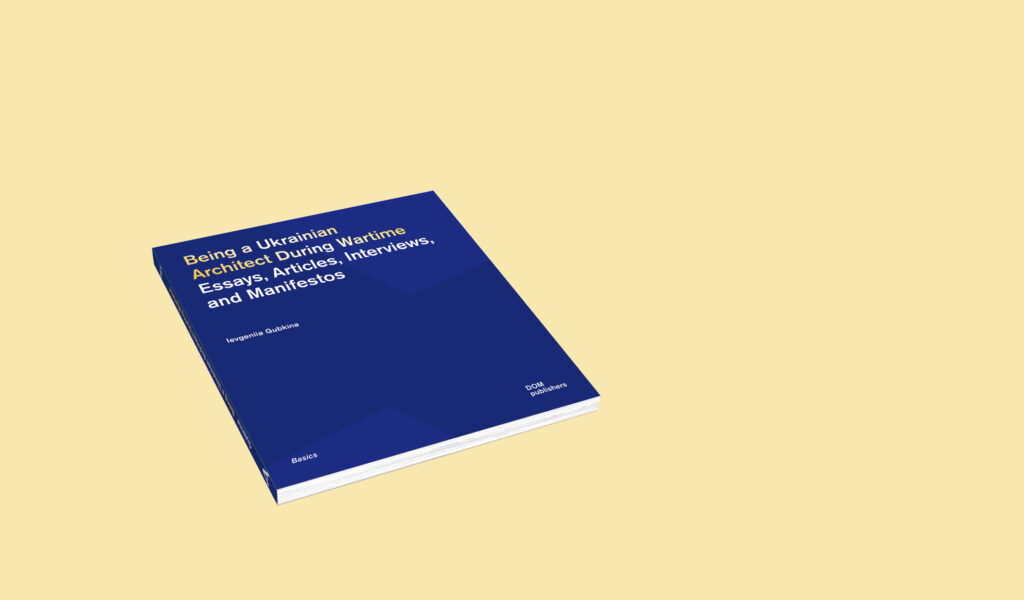
Ukrainian architect and historian Ievgeniia Gubkina wrote a book about the architecture of her homeland in the middle of the war.
The Pasila machine workshop, which once manufactured railway carriages, has been renovated in stages for new uses, experience being accumulated along the way.
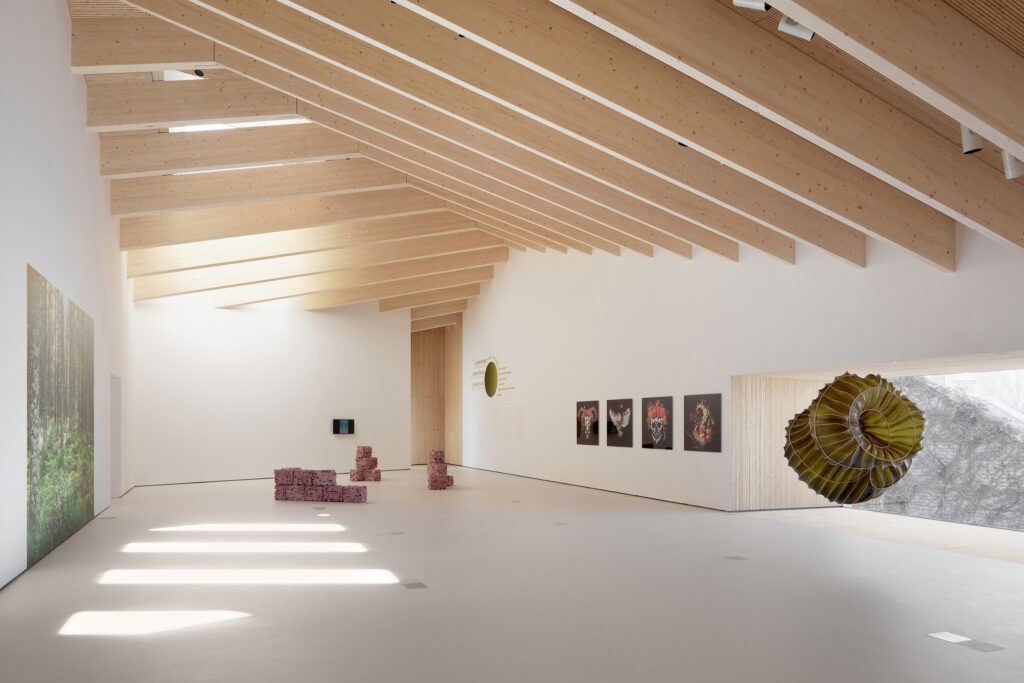
An art museum in Ekenäs shows us that architecture plays a role in revitalising small towns.
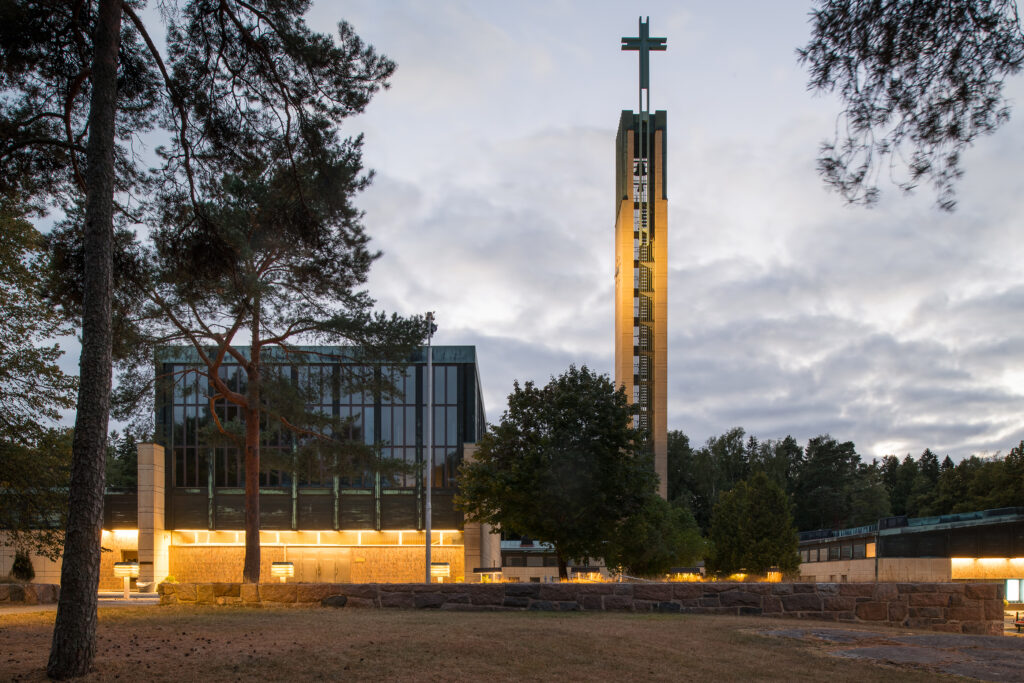
The renovation of Lauttasaari Church showed that the spirit of church building in the 1950s fits exceptionally well with the needs of parish life today.
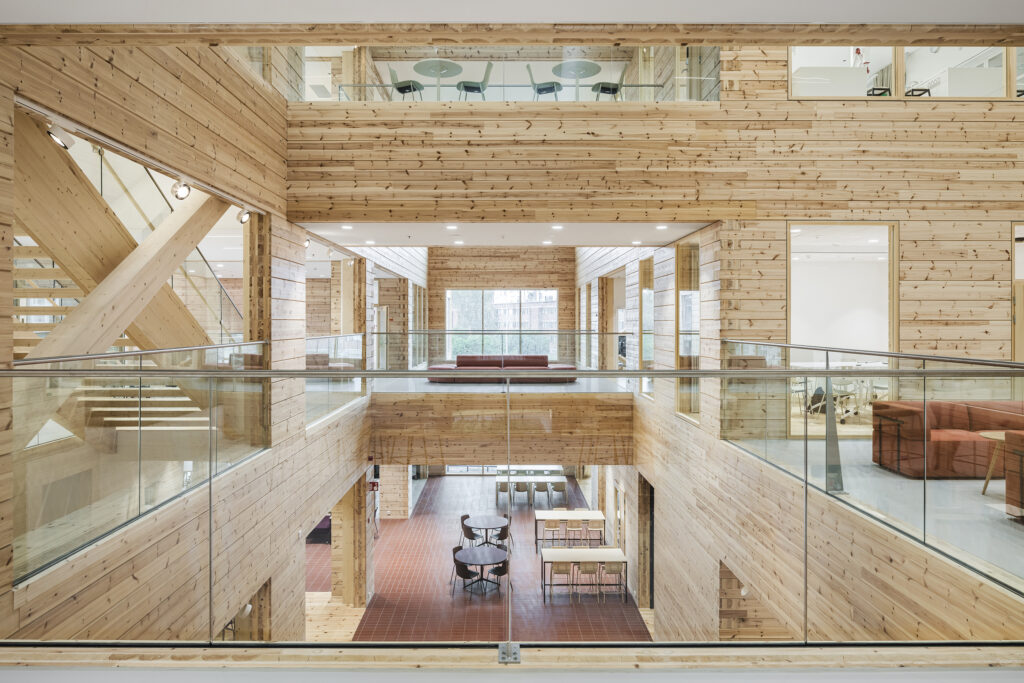
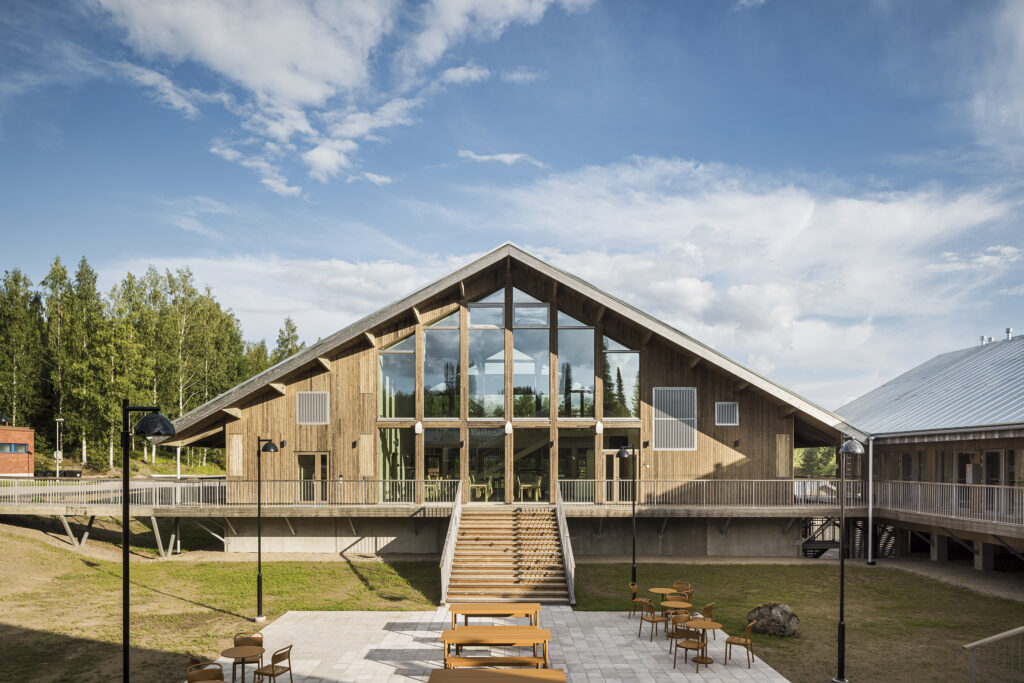
The log-constructed Monio High School and Community Centre is not so much an homage to tradition as it is a novel experiment in industrial construction.
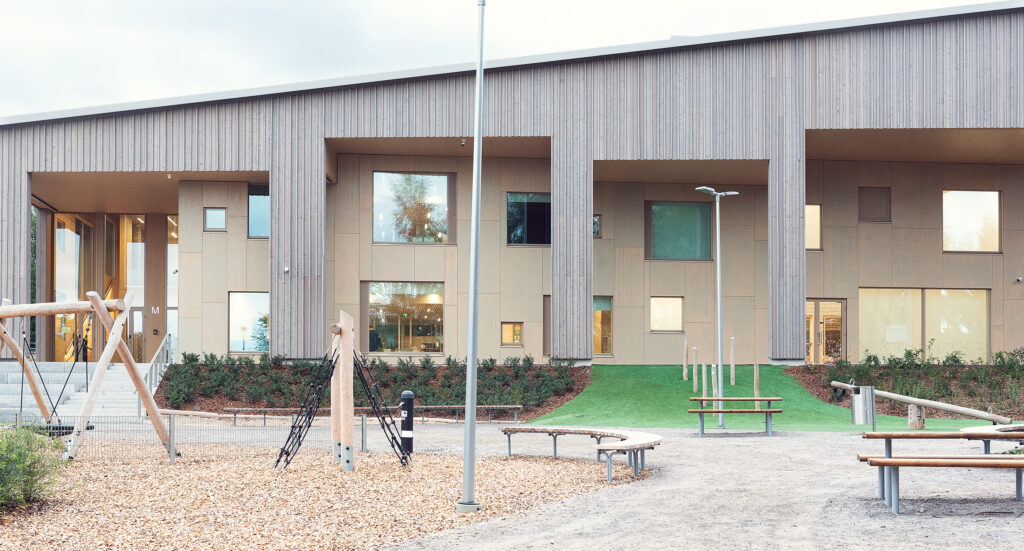
The daycare centre in Tuusula aims for sustainability while offering children interesting spatial experiences.
The new main building of the Hyytiälä Forestry Field Station brings a touch of Japan to a Finnish lakeside landscape.
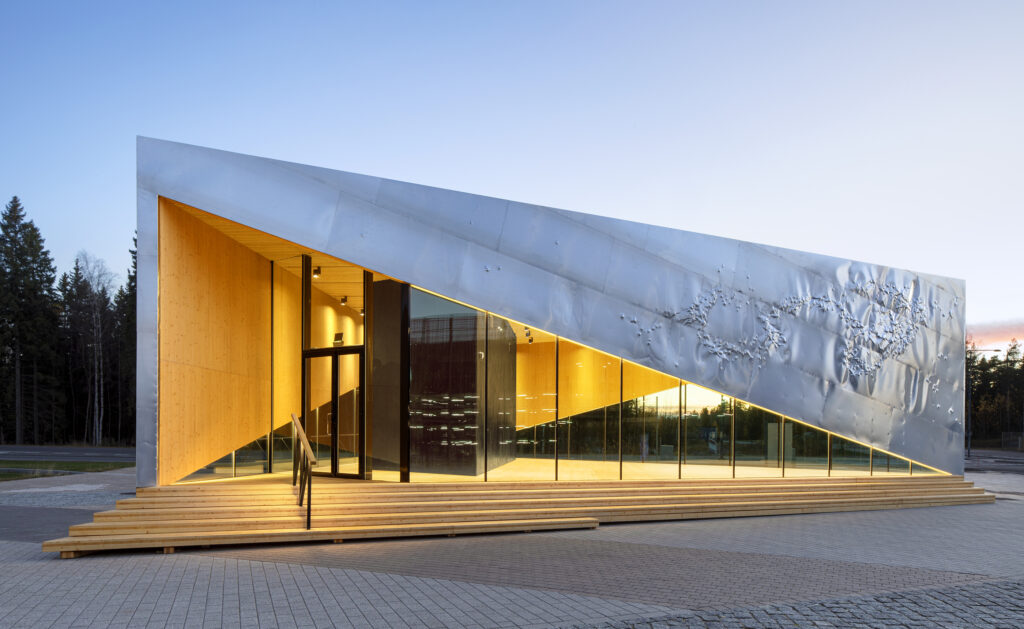
A workplace hub next to Helsinki Airport is gradually transforming into a walkable urban district. The area’s newest attraction is a small event pavilion with a mission larger than its size.
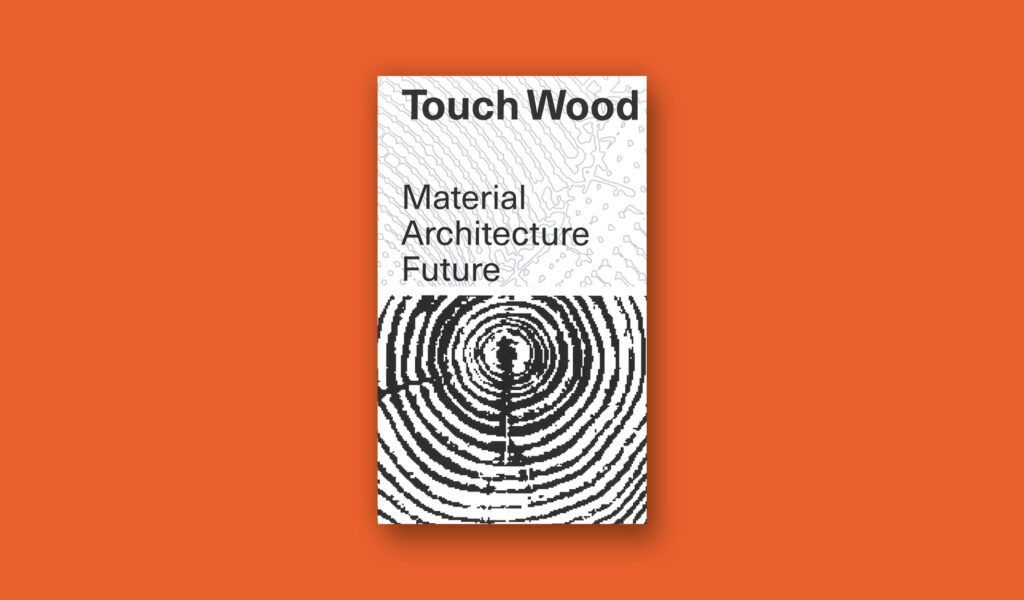
The collection of essays on wood architecture is an ideal fit with our fast-paced world, serving up a series of short pieces.
There are multiple possible futures for the 1960s and 70s buildings.
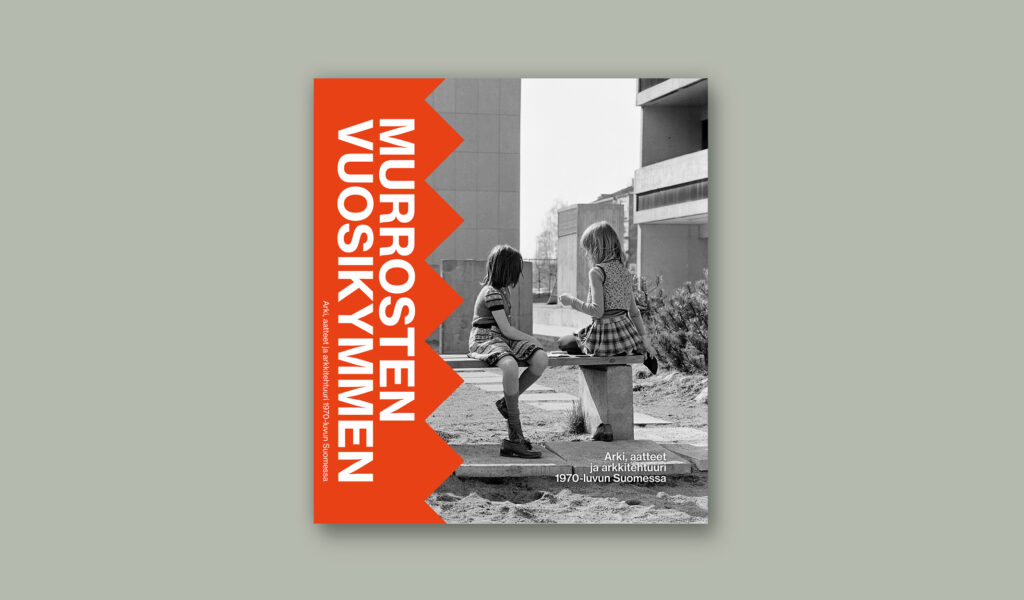
Besides the grey concrete carbuncles at housing estates across the length and breadth of Finland, the 1970s are also responsible for producing some far-sighted innovations within the construction sector.
For the first time in the history of the biennale, the focus is on Africa.