ark
Architecture is a form of visual communication, where there is no place for “pizzahutism”.
Architect education needs to be rebuilt from the ground up, if the profession wishes to be a player in designing a sustainable future.
The new generation is having to find their professional path in a time that is characterized by both a deepening climate crisis and increasing economic, political and social uncertainty, writes Kristo Vesikansa in the New Vision issue editorial.
The Finlandia Prize for Architecture is a breeding ground for a destructive myth when it comes to architectural creativity, claims Anni Vartola.
How to approach post-World War Two architectural heritage? The Modern Heritage issue outlines alternative approaches to the question.
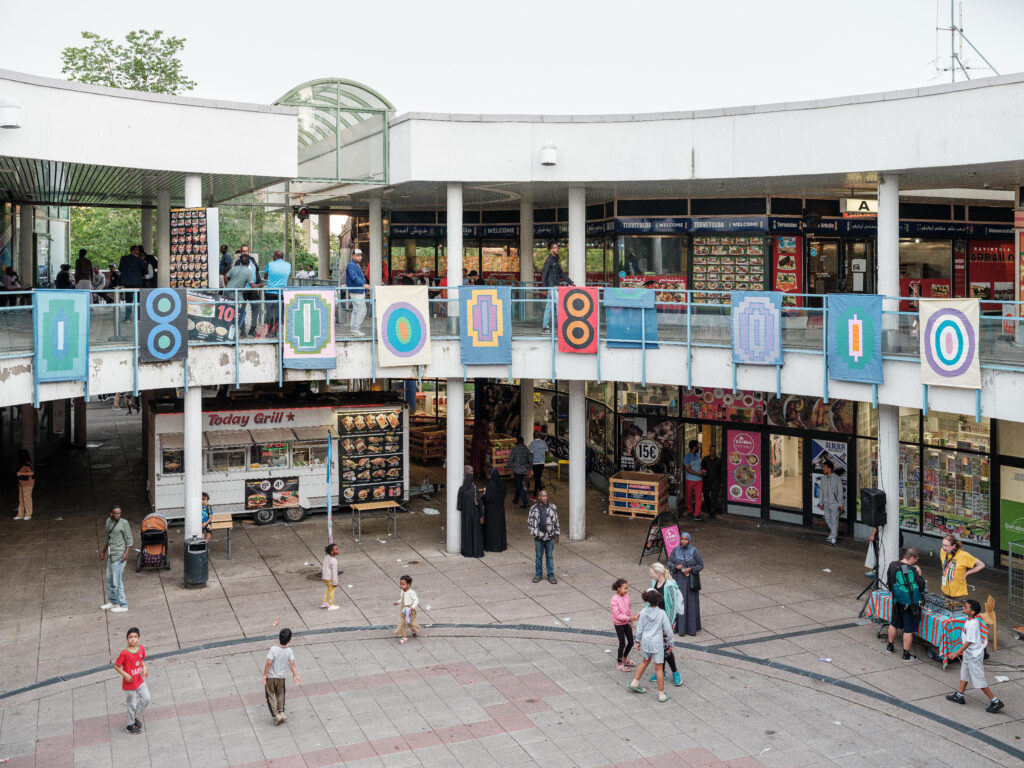
By tearing down old neighbourhood shopping centres, we are losing not only high-quality architecture but also services, extraordinary culture and tax euros, argues Juhana Heikonen.
The planning of the new Architecture and Design Museum is currently proceeding in a thoughtful and transparent manner, write Kaarina Gould and Pilvi Kalhama.
Do we clearly understand why the museum requires an entirely new building, especially at a cost of one hundred million euros, ask Pedro Aibéo and Mark Linder.
Models for a more urban suburb have been sought in a number of directions for half a century already – with varying results.
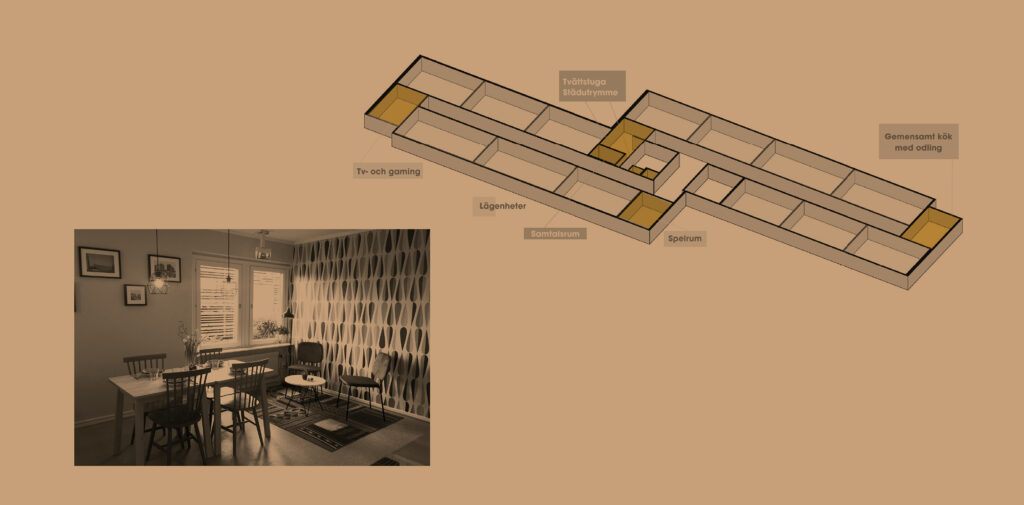
When it comes to communal living, our differences can foster a reciprocal relationship, where no one is there to purely provide or receive support.
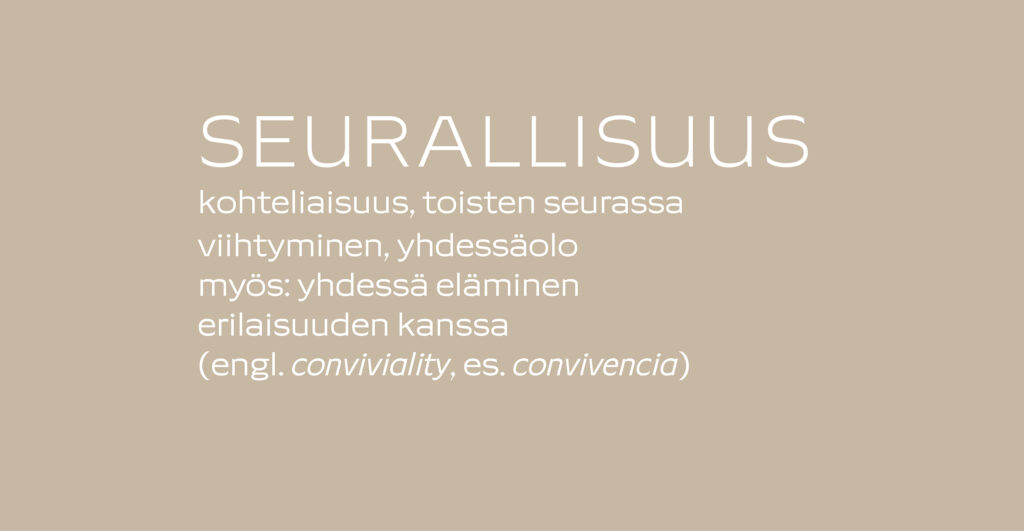
While a community is typically based on a given shared purpose or interest, social interaction in general can also be centred around the simple objective of enjoying each other’s company. This is illustrated by the concept of conviviality, says Katja Maununaho.
If there is a silver lining to be found in the current downtrend, it is the fact that it at least offers us an opportunity to evaluate the results of the latest construction boom critically, writes Kristo Vesikansa.
Finnish architecture arouses interest around the world as long as it is actively promoted in various media, writes Wolfgang Jean Stock.
The various development phases of the South Harbour in this millennium do not draw a very flattering picture of the ability of Helsinki’s urban planning machinery to solve such a tangle of problems, writes Kristo Vesikansa.
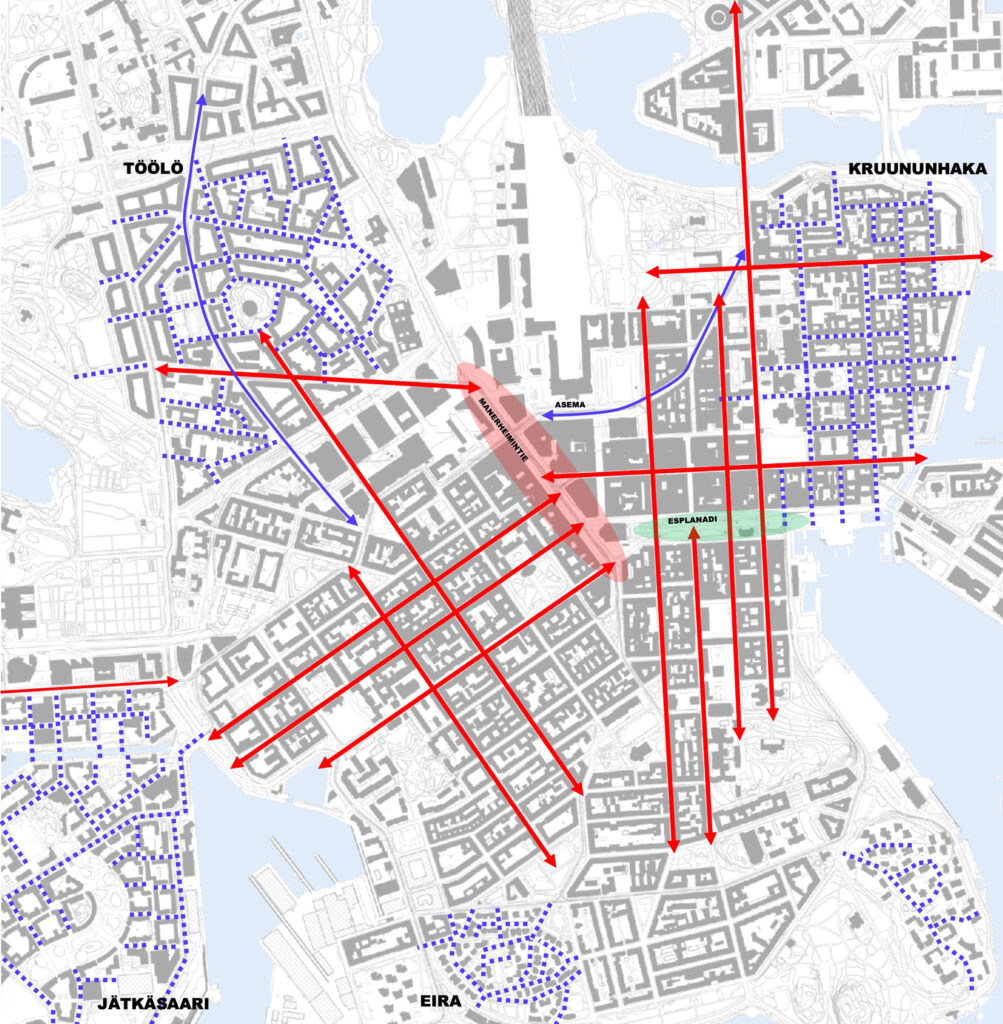
The urban structure of Helsinki is fragmented by wrong planning ideals, says architect and professor Kai Wartiainen.