Advert


Are there open endings in architecture?
Films offer one means to delve into how architecture is experienced and used. In her doctoral dissertation, Helmi Kajaste studied the relationship between homes in films and homes off-screen.
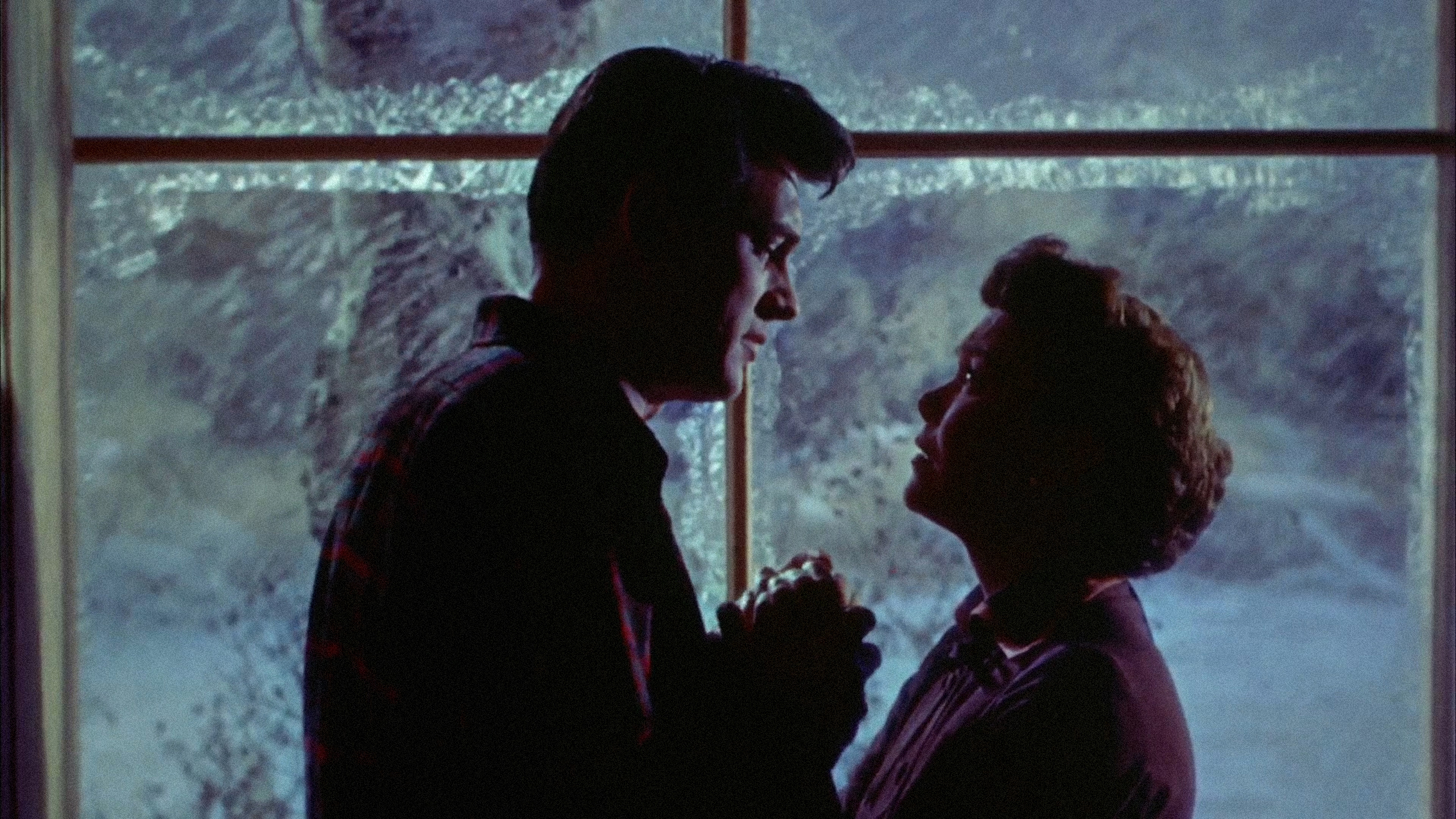
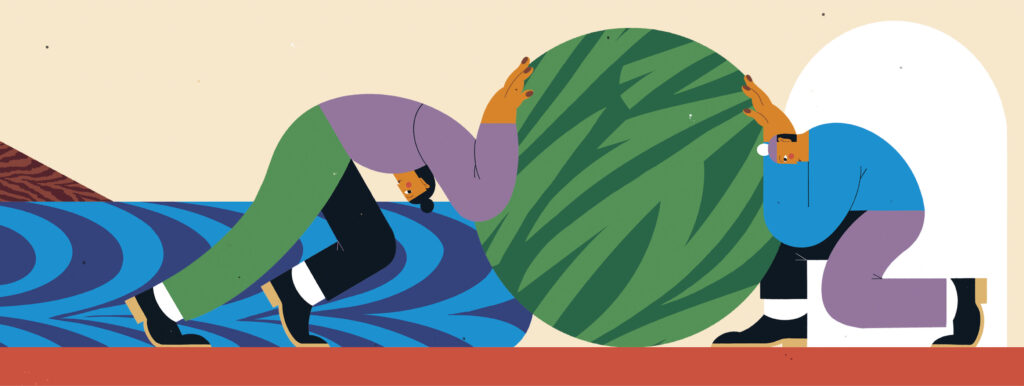
A friend of mine once said that some films would be more interesting if they began from where the closing scene ends. At the end of a romantic film, the couple in love can finally be together. The lead character in an adventure film has returned home as a celebrated hero. The music swells and the audience cheers. But what comes after the happy ending? How will the cinematic heroes adjust to the monotony of everyday life? Everyday existence is not a dynamic adventure but entails repetition and stability that can come across as boring. The ending of a classic film leads the audience to believe that the story has come to its conclusion and all problems have been solved, but in real life things are never wrapped up quite as neatly. Situations build up, shift, end again and evolve.
Would you like to read the full story?
Subscribers have a full access on our website and the digital magazine archive.