Advert


Oodi Library is the opposite of flexibility – ”This is a public, open building for people, it cannot be transformed into an office building”
Finnish libraries are a laboratory for materializing an egalitarian society, says researcher Hossam Hewidy. Daniele Belleri discusses the importance of libraries in national crisis resilience with five architects dedicated to library design.
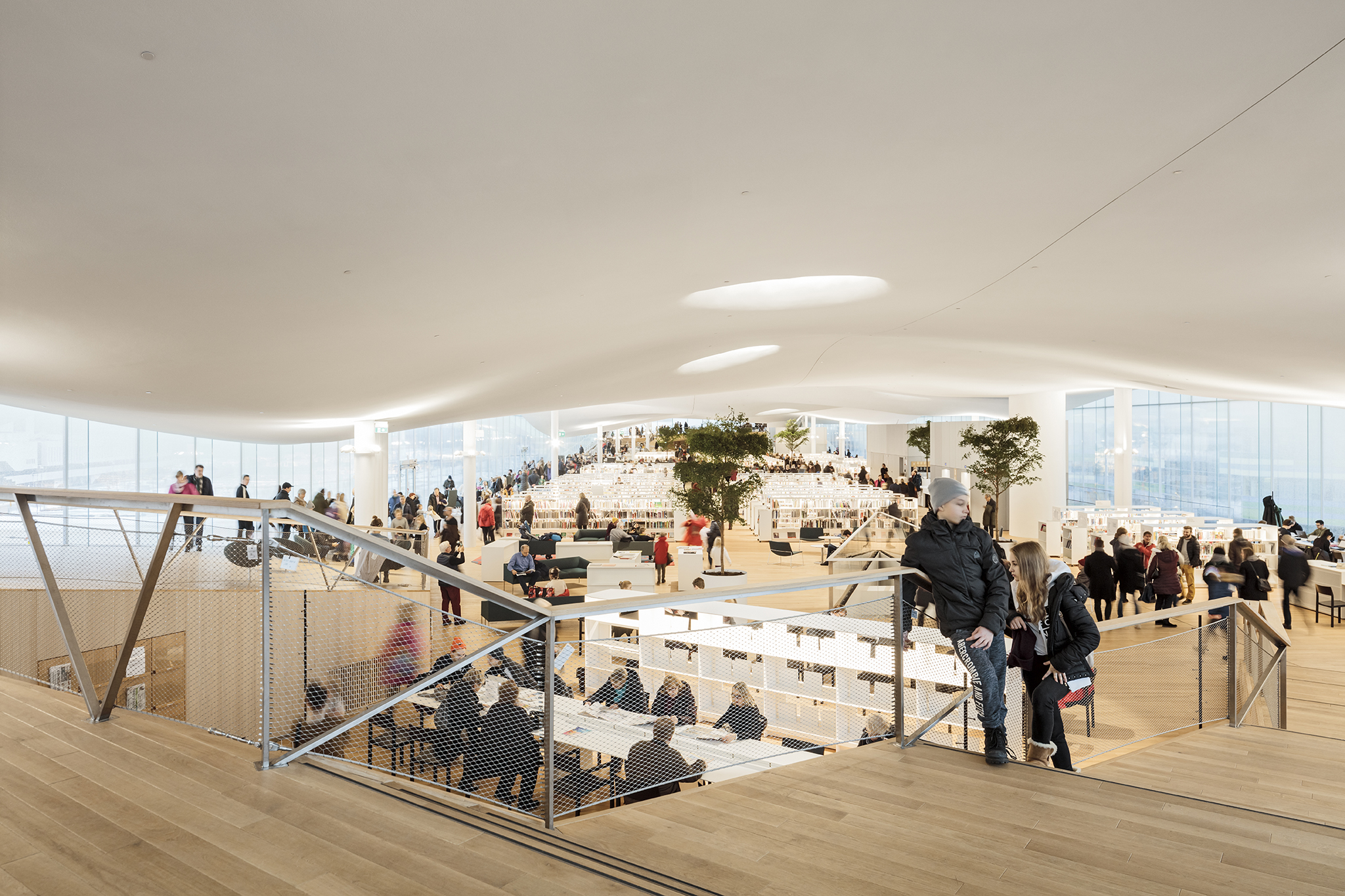
If any further proof were needed of libraries’ special place in Finnish society, it lies in an unlikely document: the country’s official Security Strategy, published in January 2025. There, libraries appear front and centre: literally the first institution mentioned in the section on “psychological resilience”, a pillar of Finland’s holistic approach to national preparedness.
The link this makes between geopolitical threats and Finland’s collective living rooms is striking. But it also raises a deeper question: what role does architecture play in shaping buildings that are now understood as critical to social resilience?
This is why library architecture must be examined from a political perspective.
Should we count Nordic libraries among the few survivors of the “world of yesterday” – buildings that still carry forward the modernist project’s optimistic ethos and even manage to stay afloat in a time of shrinking public resources, yet remain largely marginal in the urban political arena? Or do they represent something more impactful: spaces of civic cohesion, a bulwark against digital misinformation, and an adaptive model through which Finnish architects might offer Europe fresh cultural bearings?
This conversation brings together Anni Vartola, Senior Lecturer in Architectural Theory at Aalto University, and Hossam Hewidy, Senior Lecturer in Urban and Regional Planning, along with the three partners of ALA Architects: Juho Grönholm, Antti Nousjoki, and Samuli Woolston, all of whom have devoted significant parts of their practice to studying, exhibiting or designing libraries.
Libraries for the whole nation
BELLERI: While libraries have played a disproportionate role in Finnish public life for at least 70 or 80 years, did their political function change in this timeframe?
VARTOLA: I would start by thinking of Alvar Aalto’s city centre plans for, for example Helsinki, Seinäjoki, and Rovaniemi. Every single one of those projects includes a library. A library is within the standard set of institutions that you put in a very prominent place. Even in Säynätsalo, which was a very small town, there is a library a part of the town hall.
In Finland, we don’t have many natural resources, nor such a long legacy of history. When Finland got its independence in 1917, all we had was this odd lot of people who could barely read. Literacy, education, the ability to follow what goes on in the world: that was the bedrock to build a nation, and somehow it still is.
HEWIDY: Libraries in this country are a laboratory for materializing an egalitarian society. I would distinguish two types of them. There are the flagship libraries, or central libraries, like Oodi Library in Helsinki, which are more visible, attract cultural tourism and even played a part in introducing the idea of “wow architecture” in Finland. And then there are the neighbourhood libraries, which emphasize what I would call the possible good side of gentrification: they create a living room for a stigmatized neighbourhood. For example, that is the case with the library of Maunula in Helsinki, but even more broadly across the Nordics, with Kista in the same kind of neighbourhood in Stockholm. So it’s about creating attachment and belonging for those who are stigmatized, allowing them to feel that they belong.
GRÖNHOLM: I see libraries as exactly part of the government’s instruments to create equality. It used to be different in the 19th century – like Kallio Library in Helsinki – where it was about educating and also manipulating the working class, to make them behave, to be better workers. But then it soon became, especially after the Civil War of 1918, an equality issue, not about controlling the working class, but about bringing people together. And the library still is that.
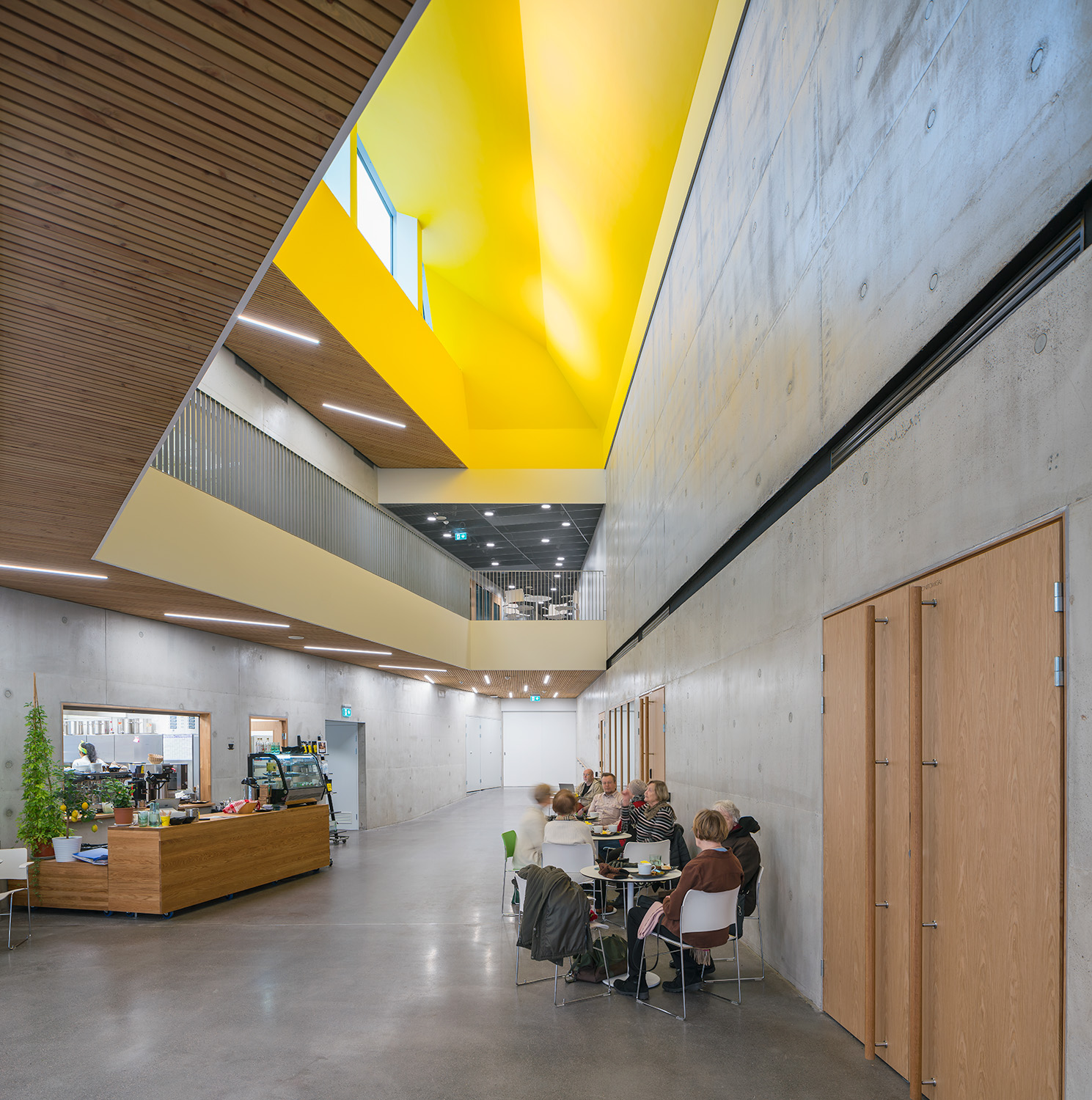
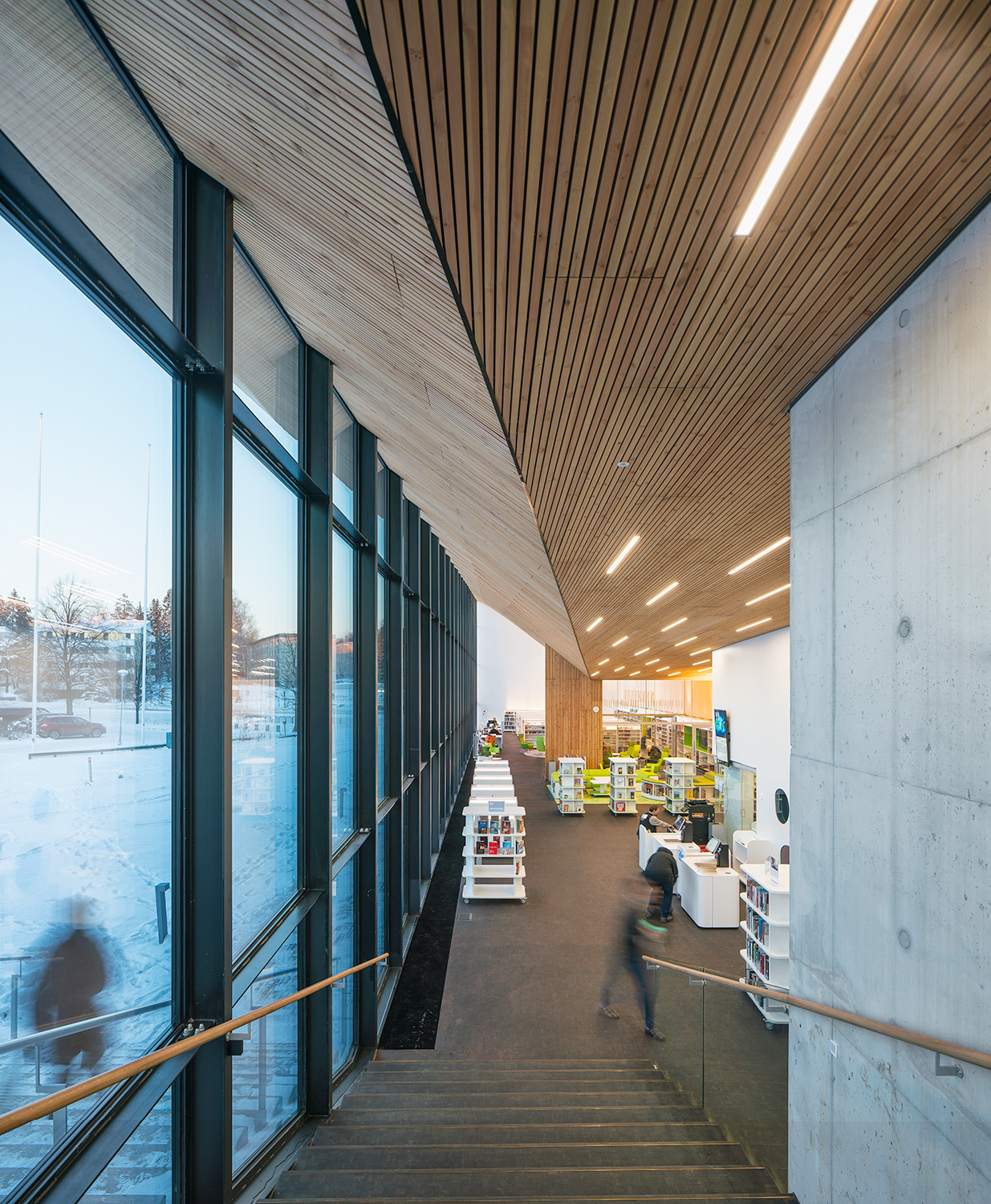
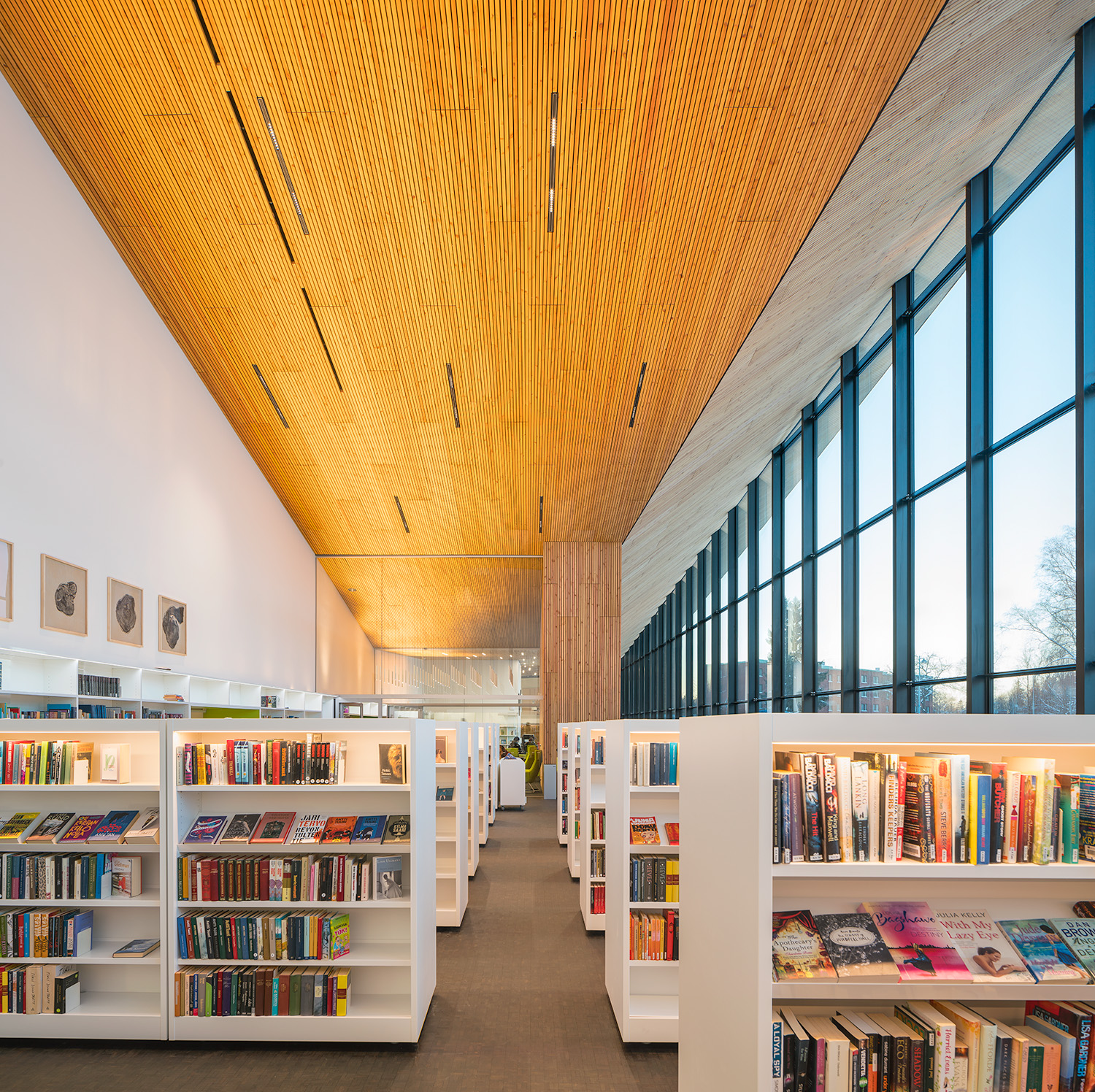
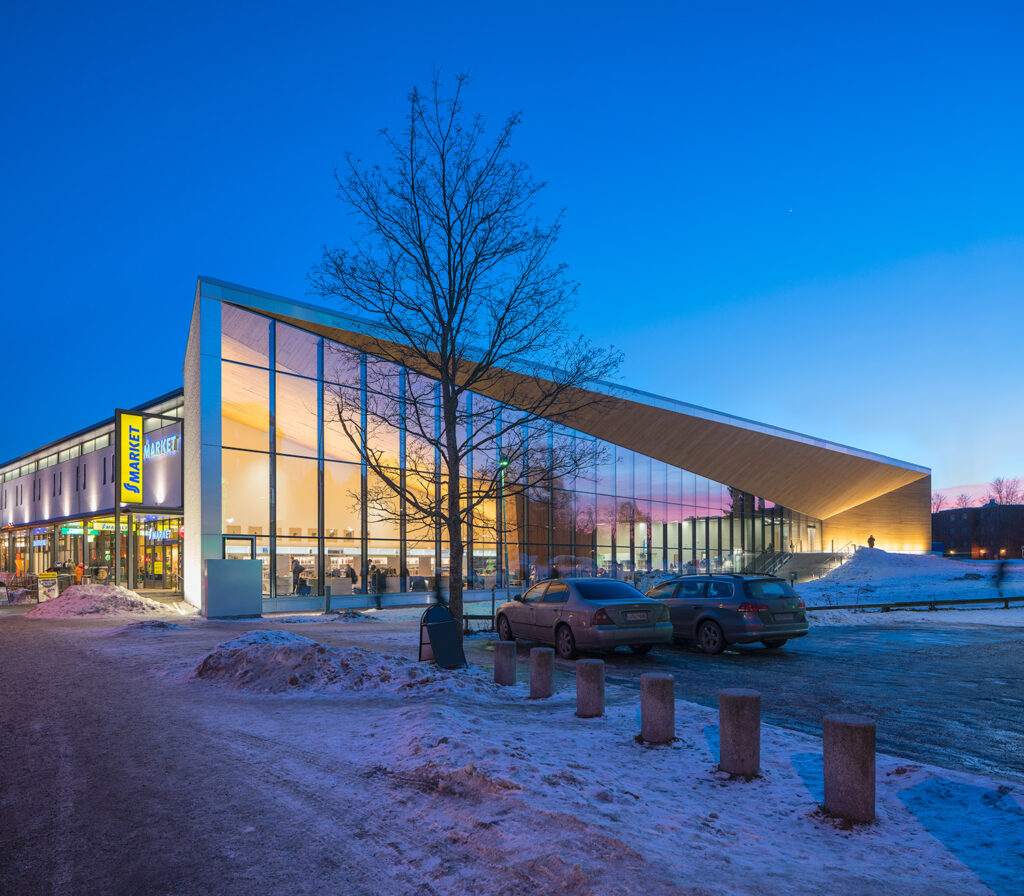
NOUSJOKI: I would add the importance of language. If we think about Finland as a nation in the late 19th century, it emerges around language. Libraries, along with theatres, provided a place also for the non-wealthy – typically back then the Finnish-speaking population.
And I believe that ties into national security and defence, which is the background of this conversation. The ruling class wanted to build an egalitarian nation that people are willing to defend. That’s the attitude that we saw at play during the Second World War, which led to Finland’s military success. The will to defend the nation is built on having something shared, something where you’re not only defending factories owned by a tiny fraction of society, but defending the whole country that you feel ownership of. And I think libraries have had a tremendous, tremendous role in that.
Modern project
BELLERI: I find it fascinating that around Europe, most of the social infrastructure that expanded with the modern project, from hospitals to social housing, has either been appropriated by private interests or faded away as a national symbol. Yet in Finland, libraries are still there. Also, in this idea that libraries are a tool of wealth distribution, don’t you still glimpse some features of the modern project’s attitude, namely the idea that architecture can contribute to improving society meaningfully?
VARTOLA: I think we lost the modern project already in the early 1970s, because architects were no longer credible in their role as trailblazers of change. Architects became more reactive to what politicians do and what society wants them to design, which is very different from, say, the Bauhaus in the 1920s.
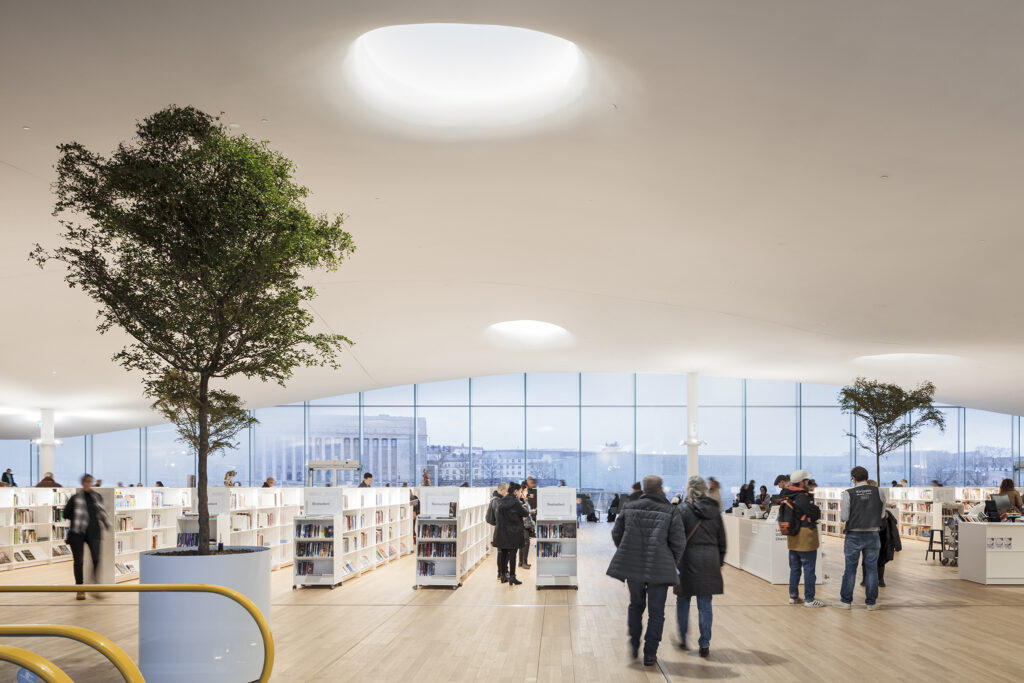
But speaking of libraries, they still have a very crucial role in the modernization of society. Think of all these makerspaces you see at Oodi Library: distribution of skills and information, learning to use a 3D printer, a laser cutter, taking part in events, lectures – that’s part of the modernization project, which continues all the time. And architects, of course, have to provide spaces for that kind of activity.
Since the library in Finland has never been primarily about information but about language and meeting, it has survived.
NOUSJOKI: If we talk about the modern project a bit more, my theory is that Finnish libraries have always been more of a social instrument than an information distribution machine. Modernist Finnish libraries have always been built as attractive spaces: more than efficient storage, no propaganda machines but open, daily meeting places.
Of course, with digitization, information isn’t really distributed through libraries anymore. So Oodi is an example of how space in libraries is being converted from non-fiction collections into meeting places for doing things. In many countries – and I know the case of England – when the non-fiction collection disappears, it’s not replaced by social programming; the institution is simply decimated. But in Finland, since the library has never been primarily about information but about language and meeting, it has survived.
Opposite of flexibility
BELLERI: What role did you play in steering or anticipating change when designing Oodi? Did you look for flexibility or adaptive functions over time?
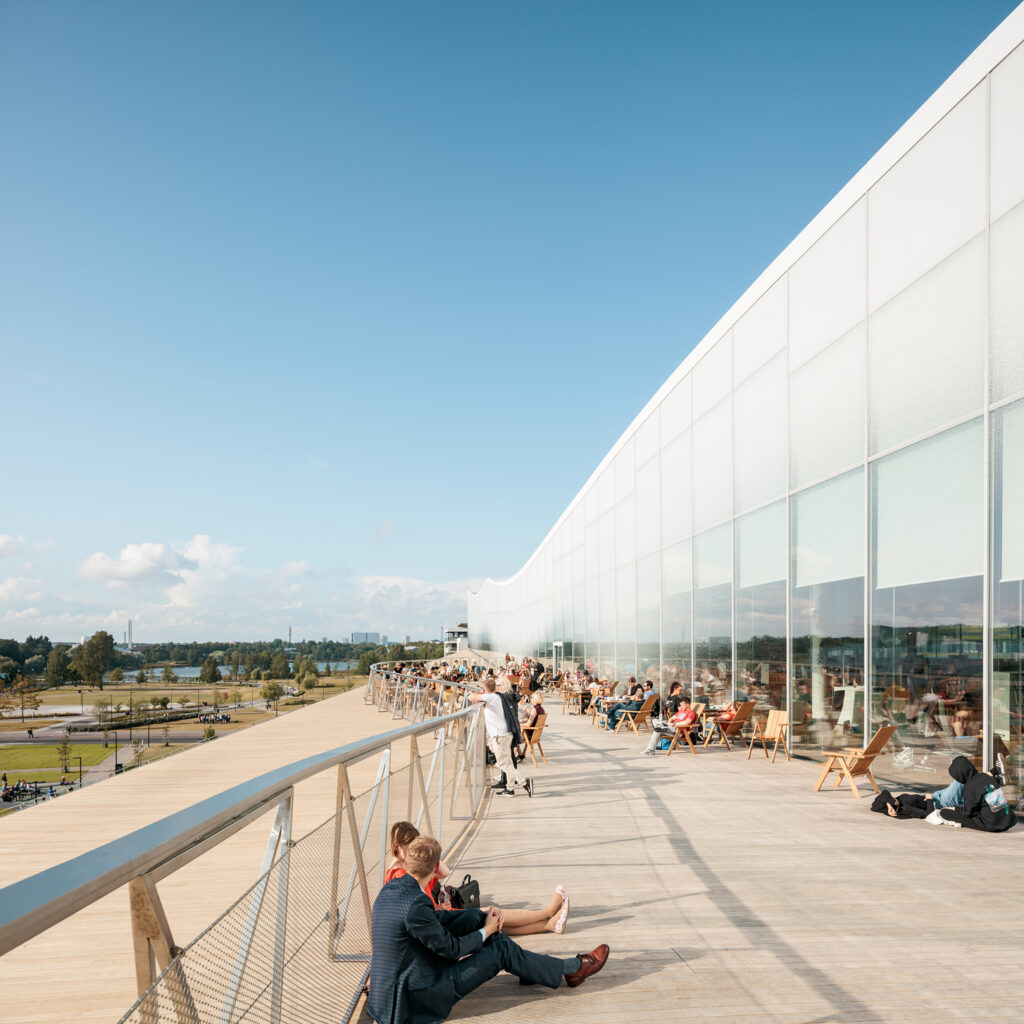
WOOLSTON: Somehow, we pursued the opposite of flexibility. We wanted to manifest in architecture that this is a public, open building for people. It’s a non-reversible choice. It cannot be transformed into an office building.
GRÖNHOLM: Even if there were austerity measures and a new government closed all libraries, Oodi would still stand there, even empty. It couldn’t be used any other way. That’s a manifestation of our values and our time. If there comes a time when there’s no will to run public places, it will become a ruin in front of Parliament.
BELLERI: Flexibility is often justified by saying that, for decades, architects built for single, fixed functions, and that led to failure. Instead, we should be humble and not dictate how society moves. But what you’re saying feels like a much clearer, more political stance.
WOOLSTON: Yeah. I find that this ideology of leaving things open rarely works. It’s bad for everything.
Social role
BELLERI: Before this conversation, Anni mentioned the pretence that Finland is a “monoculture.” I totally believe the major flaw in the self-representation of Finland is that it does not fully acknowledge today’s complex multicultural society. Hossam, you’ve worked a lot on migrant communities in Finnish cities. How do libraries act in that sphere?
HEWIDY: I don’t like the word “integration,” but I believe libraries work very smoothly in creating places of attachment that equip immigrants to build their own social capital. Libraries are where different generations meet and transmit knowledge. And the good thing is that participation is voluntary. You choose to go. It’s different from social services offices. Interaction is personal, informal, unrestricted.
My own daughter works for Helmet Libraries. She is trained to communicate with immigrant children, in addition to her other duties as a librarian. I’ve seen homework clubs at Maunula Library, close to a school whose classes are full of immigrants.
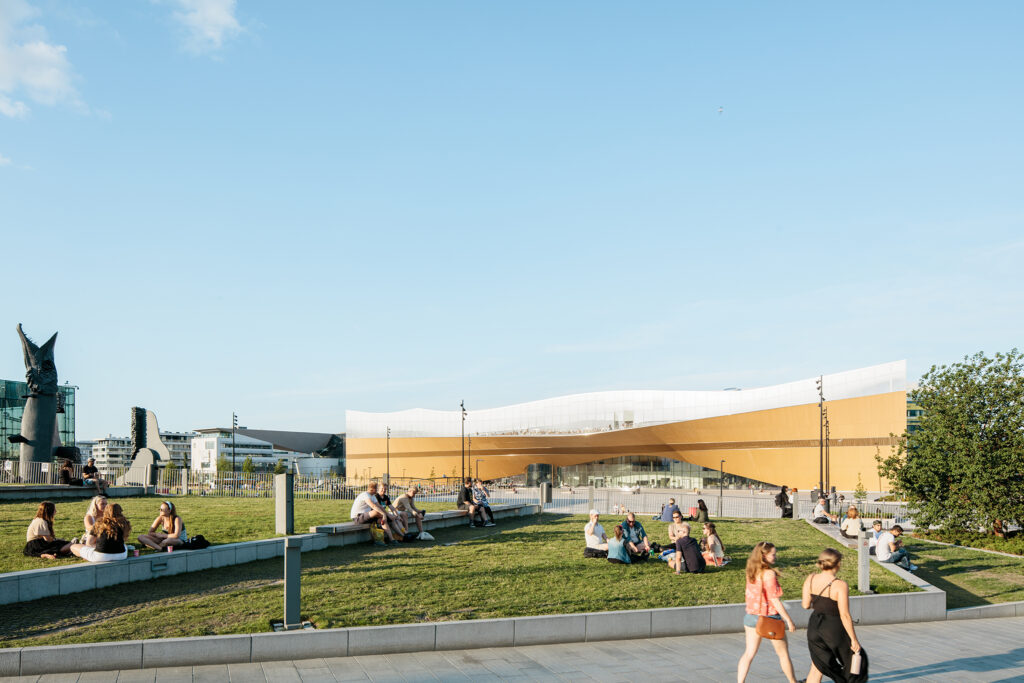
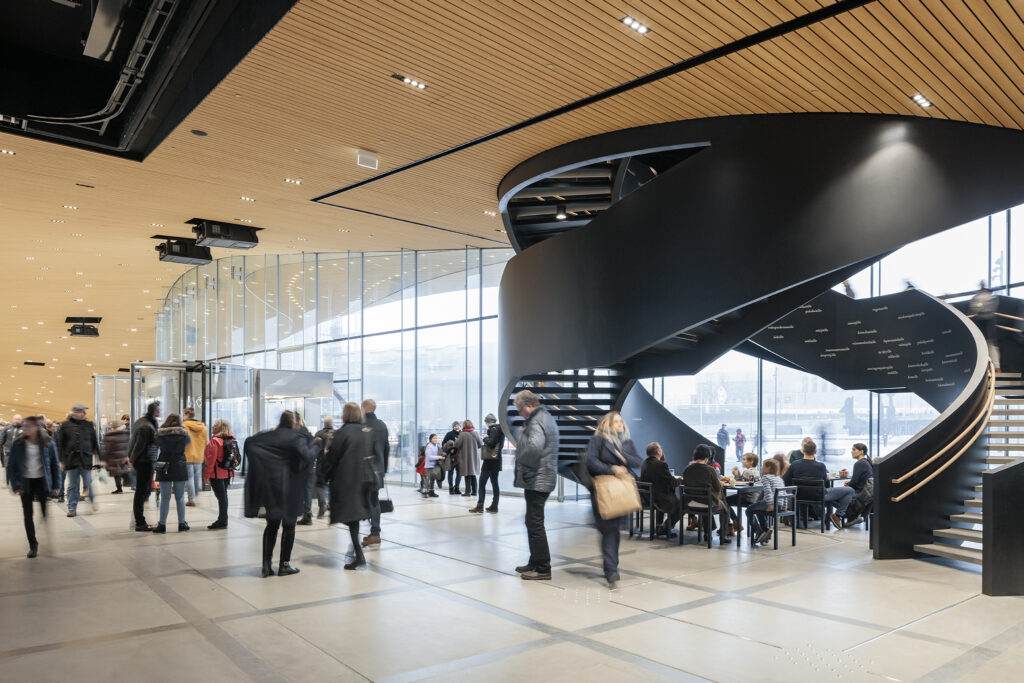
BELLERI: The discourse of libraries in the Anglosphere often intersects with the presence of homelessness, most famously the criticism of OMA’s Seattle Library with its wide use by people in social distress.
HEWIDY: I saw homeless elderly people lingering in libraries all over the world, from Minneapolis to Malmö, Malminkartano or Maunula. But also, some months ago, I visited Birmingham Library. On the third floor, they organize wedding parties for 1,000 people. They have their own chef and catering. It made me think that calling them libraries is metaphorical now. What I see them doing is something else: they fill gaps in the welfare system.
In Canada and the US, funding is allocated based on performance metrics. Sometimes neighbourhood libraries are merged and one is closed. We are still far from that in Finland, and I hope it continues. There’s still a solid foundation here to continue the library project.
Important commission
NOUSJOKI: In Finland, it’s crucial to say that if you’re homeless, the library isn’t the only place to keep warm, unlike Seattle. But it’s important that everyone is welcome. The library shouldn’t become just a social service station. It needs glamour in a way – something you can’t purchase. You must share the experience with the whole spectrum of society. Once again, that’s important for Finnish national identity and defence – the idea that we’re all in this together.
Bluntly, I find people are more motivated to defend Oodi than a Louis Vuitton shop. Libraries are the real interpretation of democratic civic space.
VARTOLA: What you said reminds me of two discussions during the Venice Biennale 2018. A journalist from New York said they could never make an exhibition about libraries because public libraries there are for those who can’t afford books. Another journalist from Singapore said, “Alvar Aalto designed libraries? In Singapore, nobody would touch a library project – it doesn’t pay off career-wise.” That’s telling.
In this sense, if we discuss the possible contribution or influence that Finnish architects can have in Europe, they can bring a work ethic where a library is an important commission, worthy of full excellence. Even humble projects matter. That’s a legacy of Finnish architecture – no project is too small to have an impact.
The interview is the fifth part of the series “Finnish architecture in the shadow of geopolitics”, which will be published on the Finnish Architecture Review website during the winter and spring of 2025–2026.
Also these might interest you



Advert