Advert


Protest camps give an example of what genuinely democratic planning could look like
Pijatta Heinonen studied the planning and building practices in three Central-European areas that had originally been occupied by protesters in their recent doctoral dissertation.
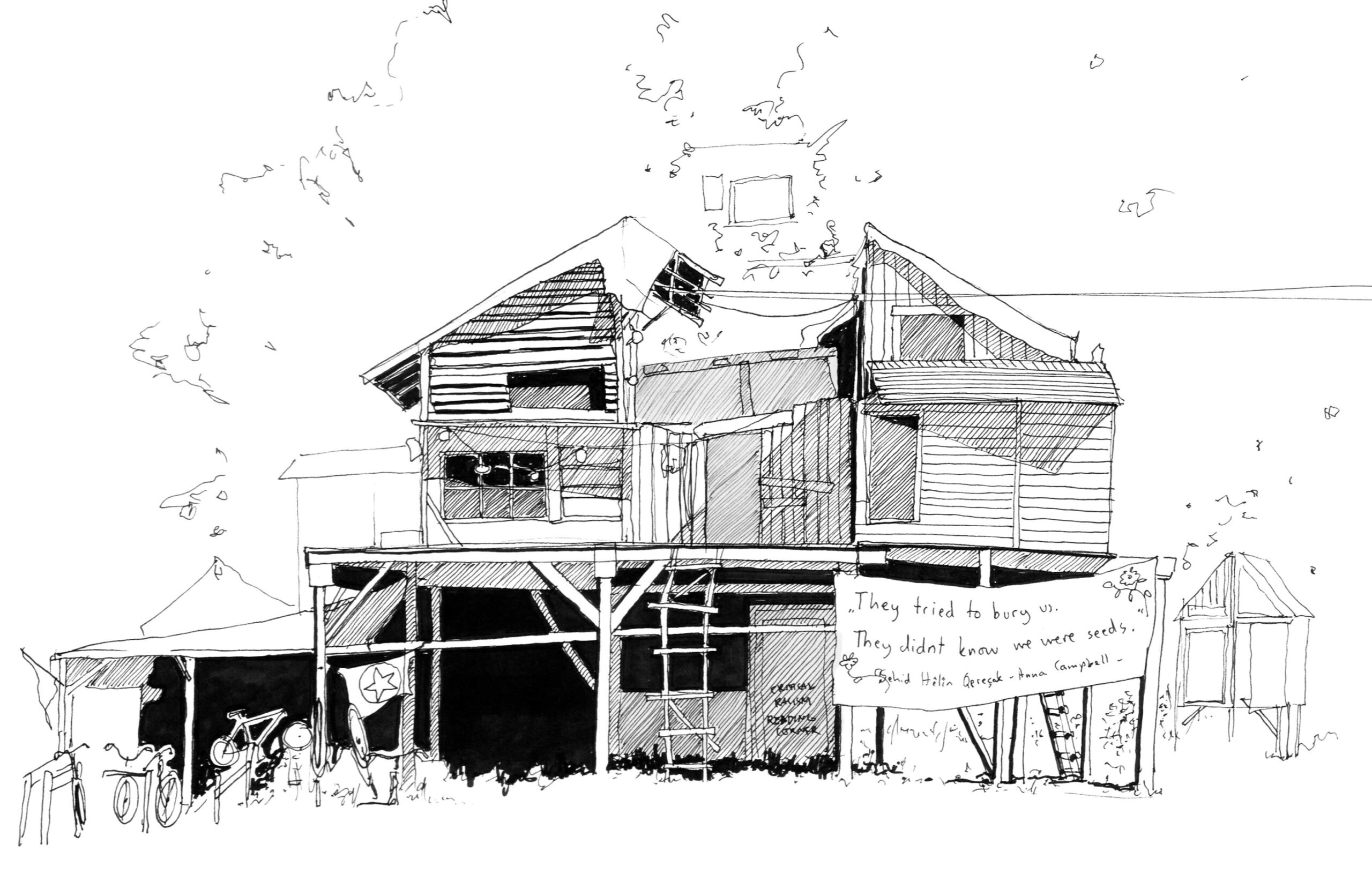
AT THE VERY CORE of architectural design and urban planning is the creation of suitable physical conditions for living – its everyday activities, rhythms, events and social relationships. Planning determines the types of space that are needed to accommodate various spheres of life, as well as where and how various functions and social relationships are to occur and who are expected to participate in them. Form follows function, as the well-known maxim states, even though the relationship between function and form is, of course, not unequivocally linear.
Would you like to read the full story?
Subscribers have a full access on our website and the digital magazine archive.
Also these might interest you



Advert