ark
A Modernist manifesto emerged from the Finnish Architectural Review in the wake of the 1970s.
The collection of essays on wood architecture is an ideal fit with our fast-paced world, serving up a series of short pieces.
There are multiple possible futures for the 1960s and 70s buildings.
Reima Pietilä can be seen as a pioneer of a mindset that recognized nature's intrinsic value on par with that of humans, writes Kristo Vesikansa.
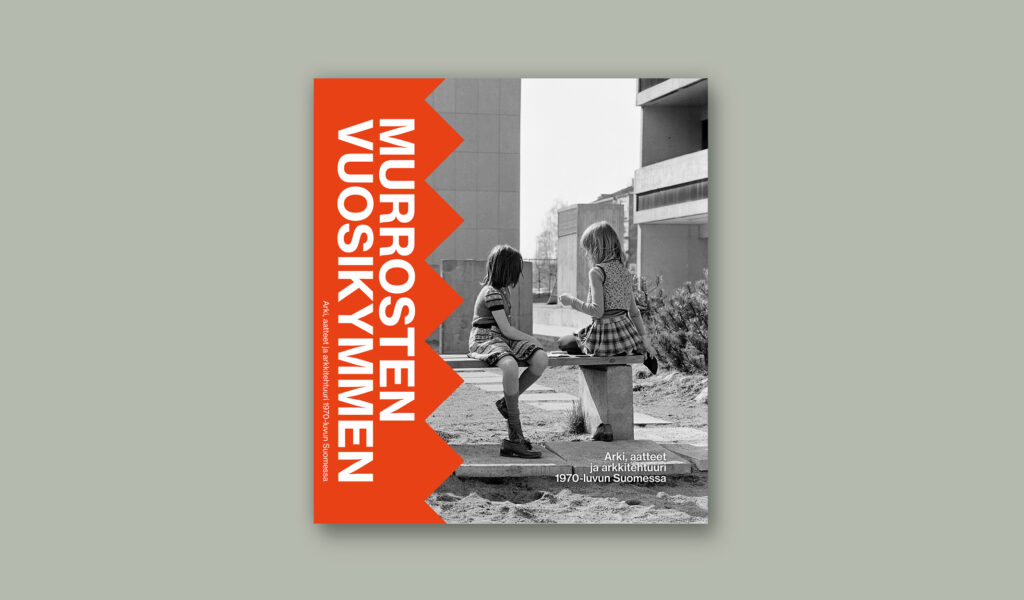
Besides the grey concrete carbuncles at housing estates across the length and breadth of Finland, the 1970s are also responsible for producing some far-sighted innovations within the construction sector.
What is currently the most interesting development trend in wood architecture? We asked architects who work with wood what kind of wood architecture they envision in the future.
For the first time in the history of the biennale, the focus is on Africa.
Urban densification is often executed at the expense of urban woodlands, which the local residents do not always like, nor is it ecologically sustainable. Interwoven problems can be solved by expanding the sphere of care to the more than human worlds.
At the Venice Architecture Biennale, one can find criticism directed both at the biennial institution itself and at technology solutions made in the name of sustainable development.
In the Finnish discussion on architecture, the concept of a moratorium is particularly topical with the current heated debate on the fate of our modern buildings. Today’s discussion on climate change seems to boil down to a sense of urgency.
Discussion on the architectural potential of CLT has been largely overshadowed by its positive environmental effects, writes Tuomas Siitonen.
Bruno Erat’s ideas on sustainable construction from half a century ago are still, according to Pekka Hänninen, the best Finnish examples of ecological architecture.
Ideally, land use planning processes should consider concepts of global justice and planetary boundaries, but today, they are mostly driven by landowners’ profit.
Who was Reima Pietilä, really? Roger Connah reminisces about his long-time friend.
What makes the design of the Dipoli so unique? Moisés Royo provides an in-depth analysis of Reima Pietilä’s most enigmatic project.