Advert
Refurbishing the idea of home
Home refurbishments reveal an attitude that playfully underscores daily use and materiality, rather than newly built structures.
At the conference cycle Jamón Jamón, organised by the Architect’s Association of Catalonia at the beginning of this year, Íñigo Berasategui of Bilbao-based practice BeAr Architects, which he leads together with Ane Arce, briefly introduced a series of apartment refurbishments that allowed the architect duo “to explore the domestic sphere”. Addressing young architects in the audience specifically, he spoke of these “small interventions” as the result of professional contexts where a mix of relatives and friends acting as clients, constraining budgets, and creative promises all bundle together to allow for the exploration of the domestic realm as something more than a scope of design.
Home refurbishment projects do not seem to receive the same acknowledgement as public building commissions or full-on housing projects do. Often undermined by the small scale of the intervention, the focus on the domestic scale, the shy budgets, or even the proximity to interior decoration, these projects are often perceived as simple design ventures made by inspired residents or as early commissions in an architect’s portfolio.
Yet, inside the borders of our unsuspecting homes, refurbishments projects may unveil us how everyday life is continuously re-invented and improved through the tools of design, never ceasing to feed the imagination of residents and young architects alike.
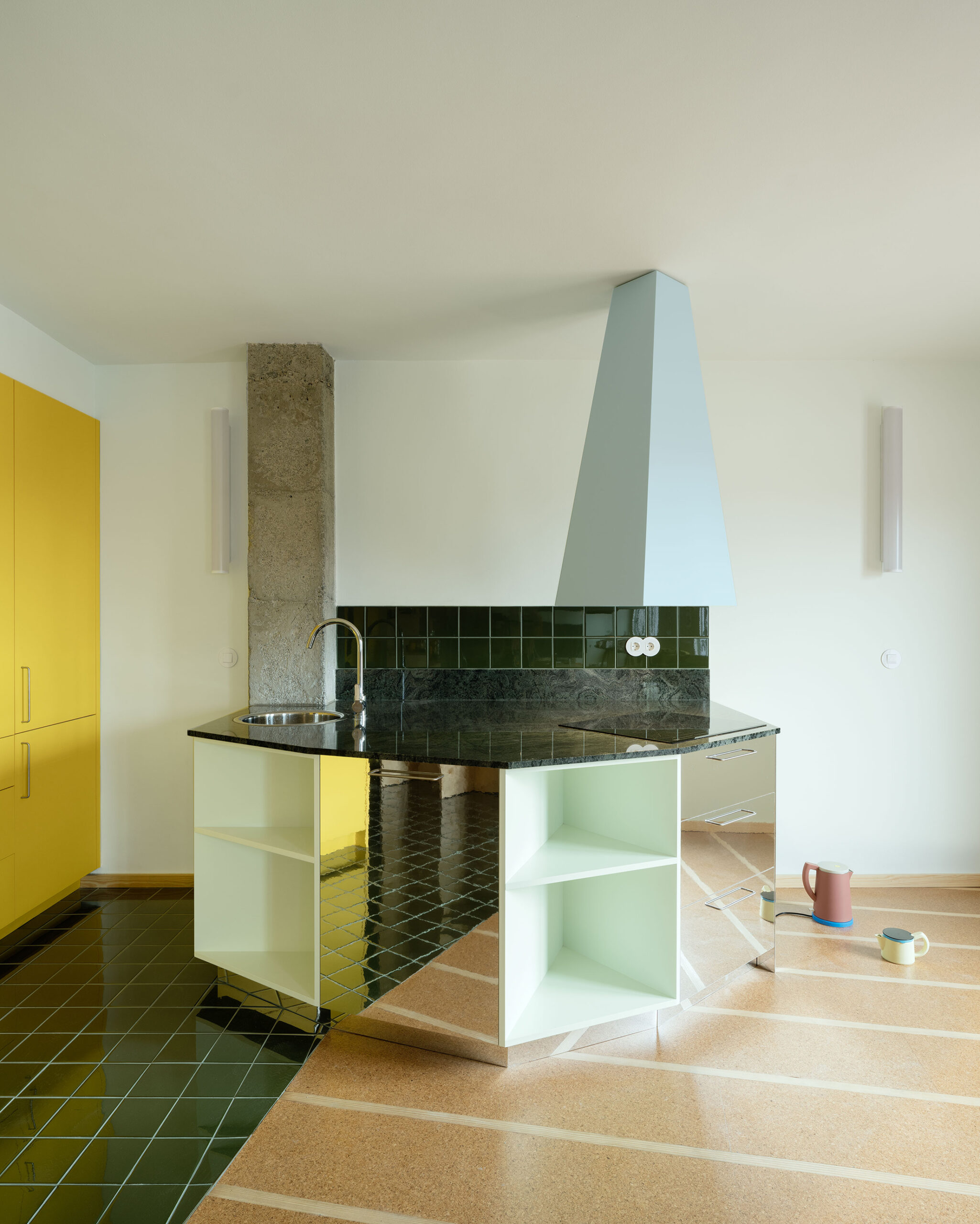
Crafting Home Ideals
Nowadays, homes are places where we move into, rather than build up. According to Statistics Finland, the number of completed detached and semi-detached houses in Finland has been decreasing since 2006. Yet, homes still evolve along with residents via their material features, such as objects, furnishings, partitions, and so forth.
In addition to meeting practical needs, refurbishment projects are also crucial forms of expression of the household’s identity. In the social sciences, home improvement is sometimes regarded as “craft consumption”, as expressed by sociologist Colin Campbell, a form of consumption whereby individuals deploy skill, love, and knowledge into what they consume, turning the final product into a meaningful assemblage of commodified products.
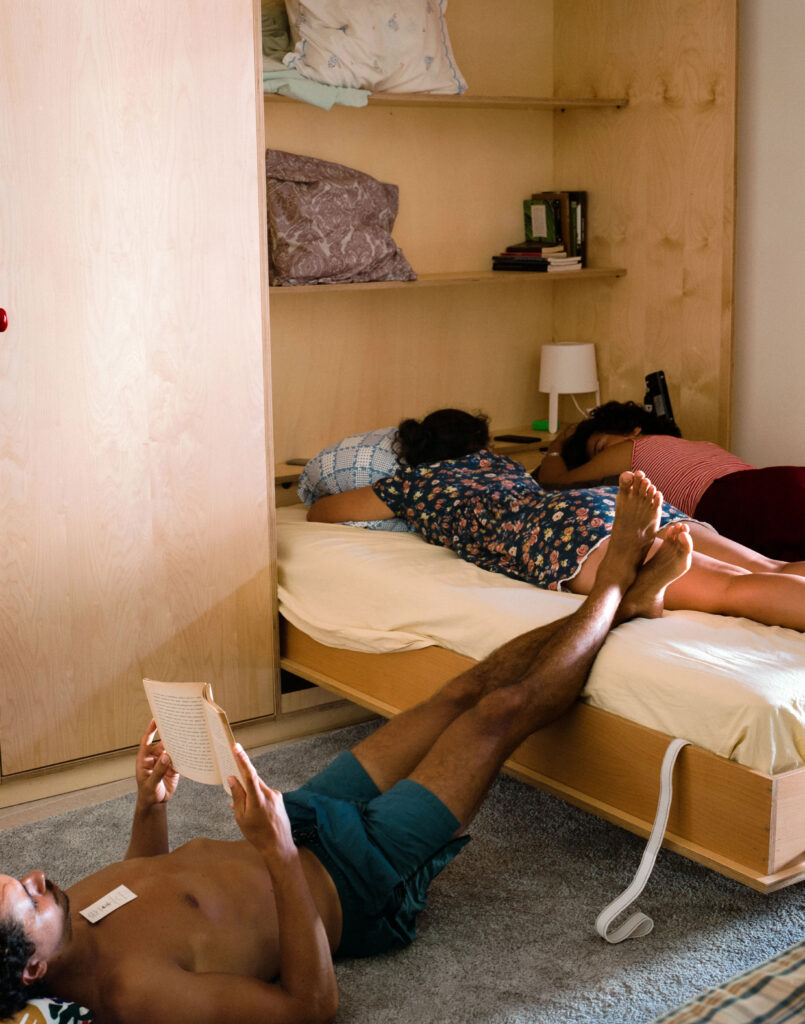
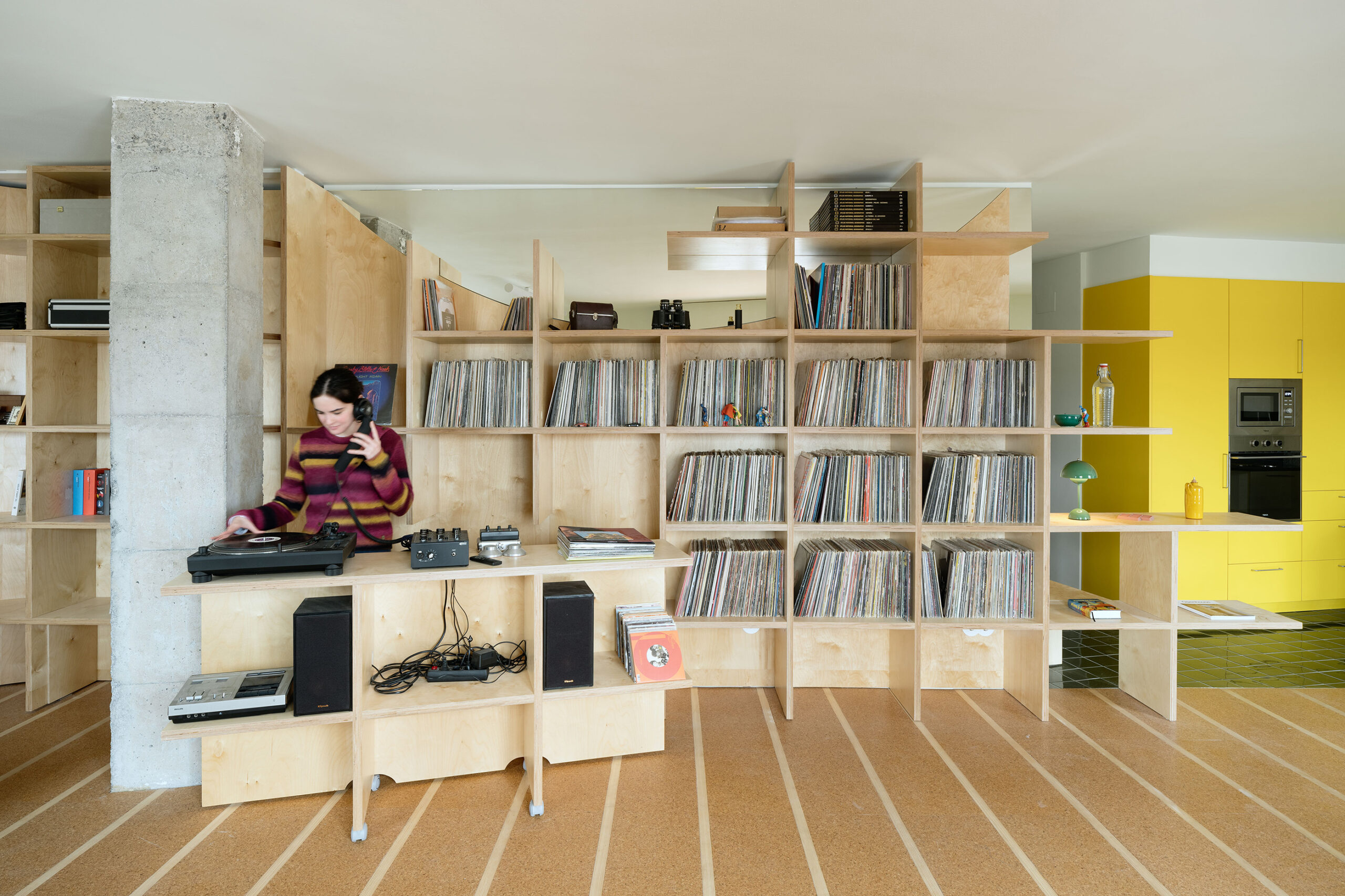
For decades, media content has fed into the home-life fantasies of residents. Today, home aspirations are largely constructed in a hyperconnected, image-saturated ecology that invites residents into a permanent state of emancipatory transformation through material acquisitions. Still, studies show that decisions to implement home refurbishment projects deal largely – and mostly – with the wish to imbue domestic space with valued social practices. In other words, for example, a decision to turn an enclosed kitchen into an open-kitchen concept unveils more about the residents’ wish to combine cooking with other activities, such as entertaining guests or socialising with family members, than simply about their desire to acquire a new kitchen.
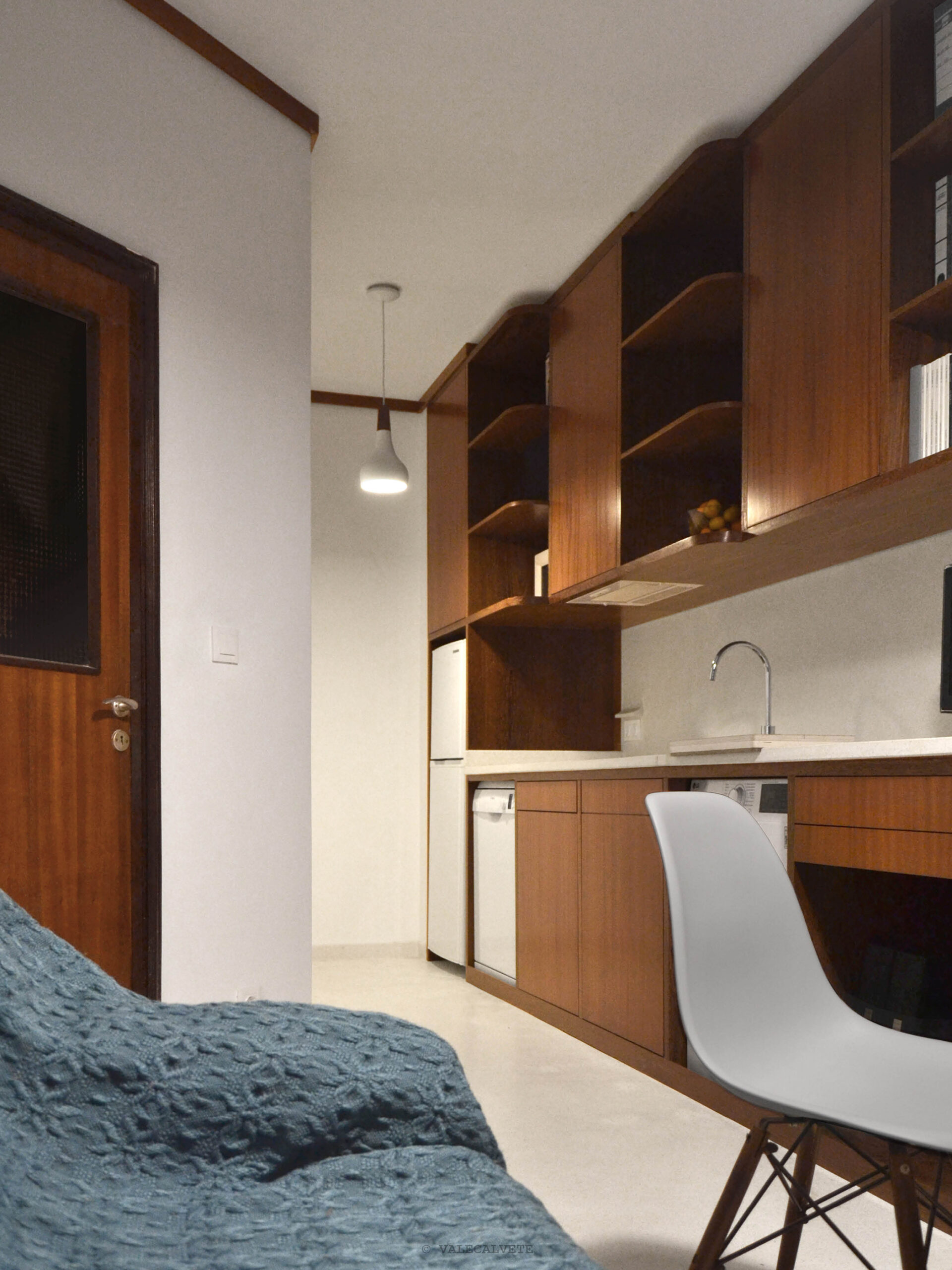
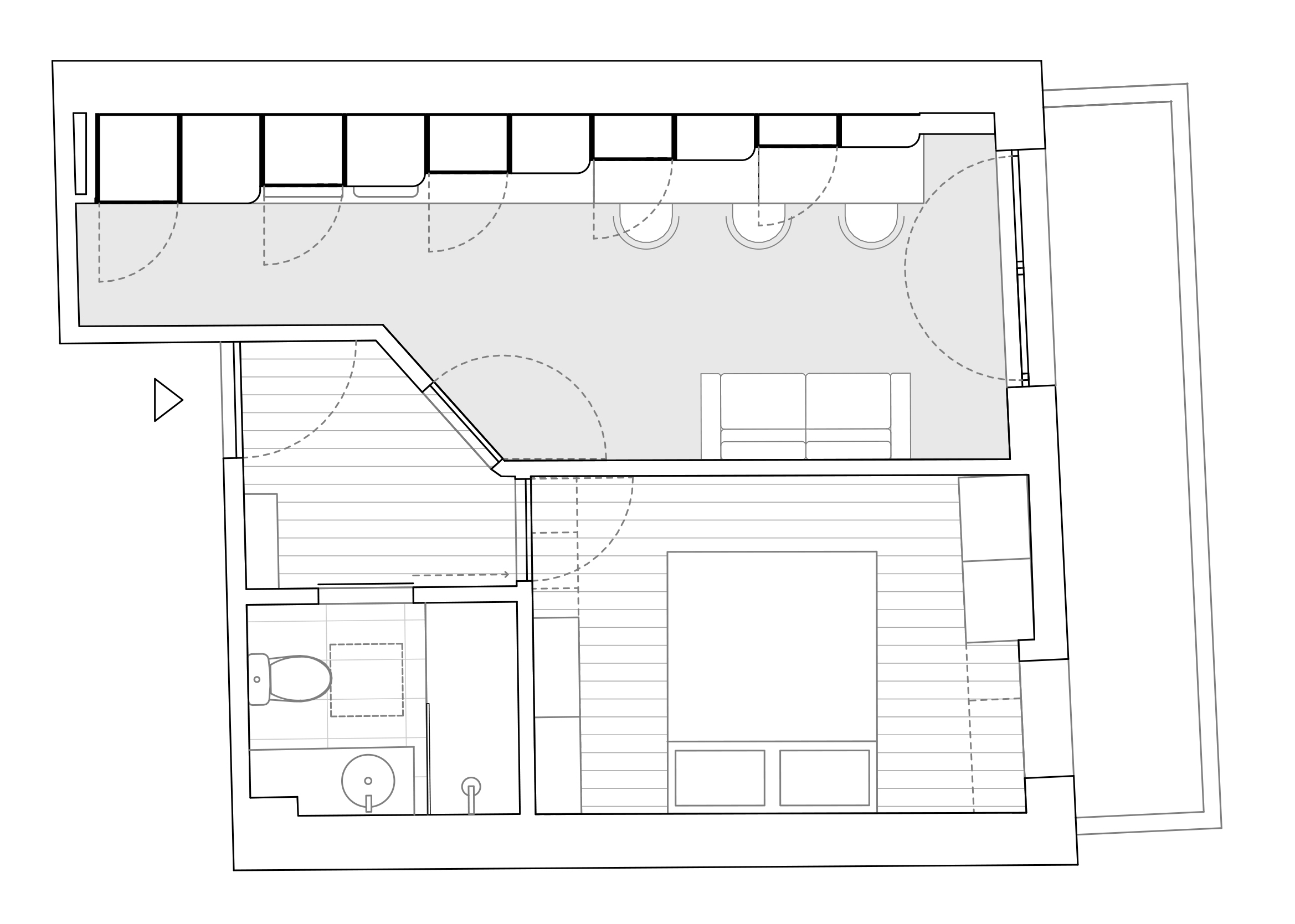
For residents, home improvements are important because they relocate into the inside of a home the acts of building from which they are largely excluded in housing production processes. Here, they are increasingly active players in the programmatic, aesthetical, even executional development of projects, free to translate wishes of family life into the material form and aesthetics of their homes.
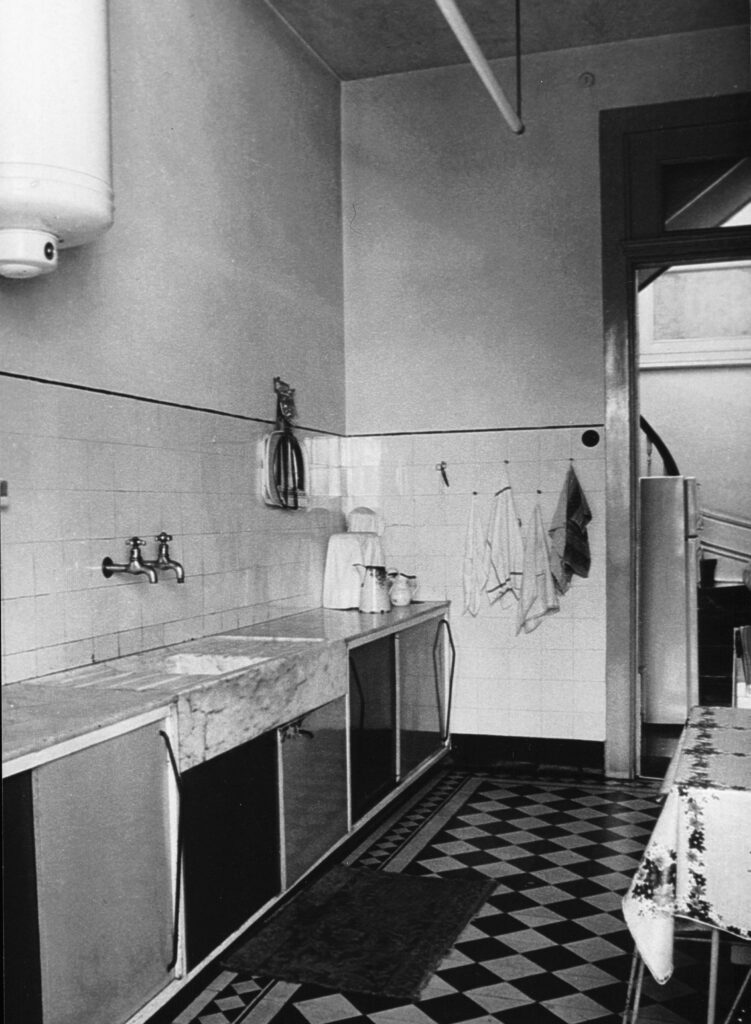
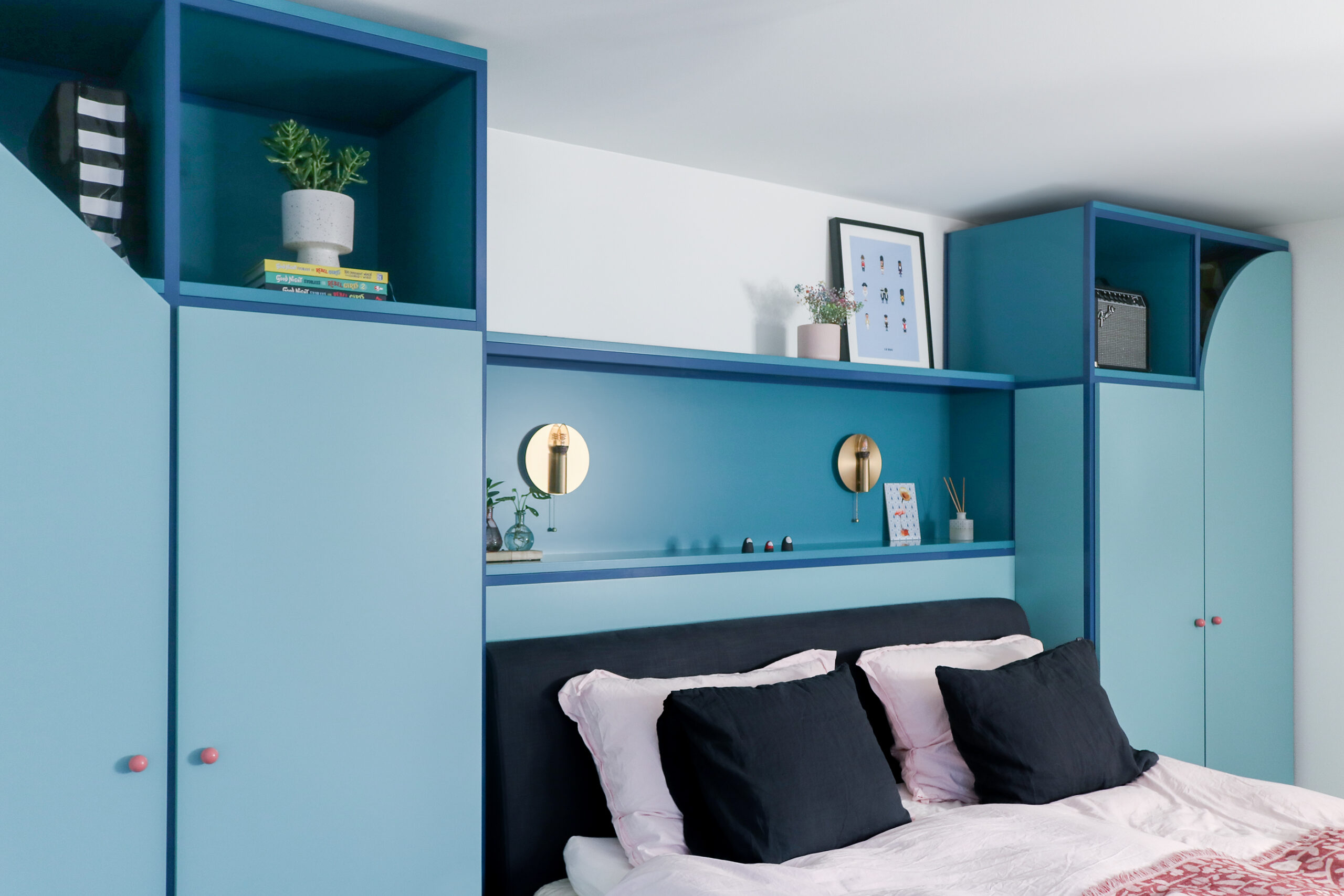
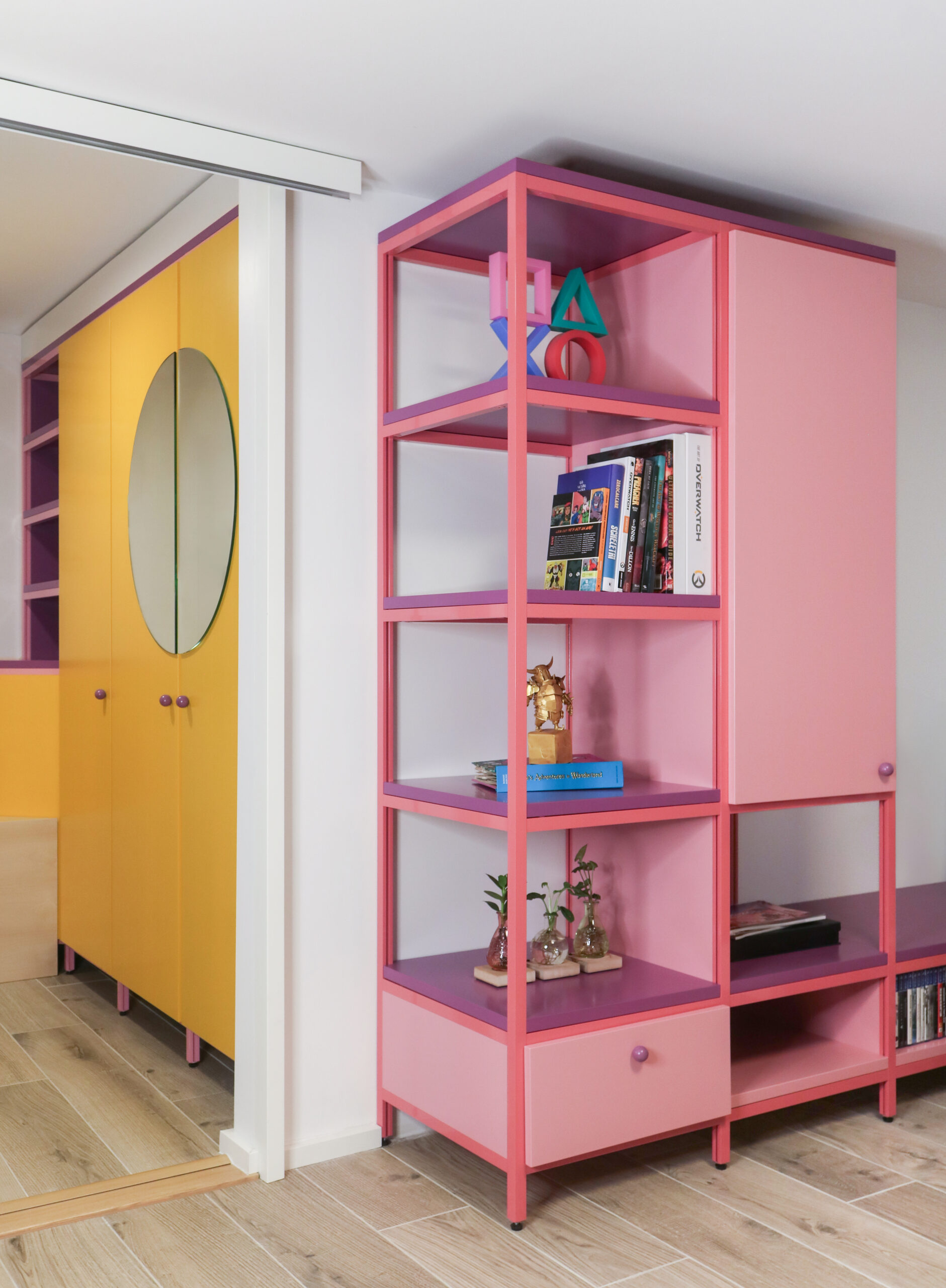
Unlike a façade or yard, the home’s interior embodies a dimension of the building that is mostly experienced by its dwellers. With the potential for detachment from the surroundings, interiors enjoy a considerable degree of formal and aesthetical freedom that can be explored by designers. For example, if a home is freed of traditional partitions and room distribution, furniture becomes crucial in defining new spatial structures. The exploration of textures and materials, paired with the bold use of colours, on the other hand, helps in the production of bohemian aesthetics that elevate everyday life and disguise the budgetary austerity often present in home refurbishments.
Beyond the Realm of Home
Acknowledging the home as the result of human action over time, rather than as a product of design itself, the Swedish-American architect Lars Lerup describes buildings as stages where the lives of residents unfold and defends the idea that designers cannot do more than “building the unfinished”. In refurbishment projects, daily life and dwellers actions meet design in unexpected ways.
In addressing design problems from the point of view of a specific dweller, home refurbishment projects can render visible broader contemporary issues, such as those of remote working, the diversification of household structures, or technical innovation in domestic labor, among others. By personalising homes with respect to their inhabitants, they may enable a prolonged usage of housing stock – but it is worth acknowledging here the ecological impacts that home renovations can have on the built environment as well. In recognising the importance home renovations have for a specific resident, we are also accepting the risk of a never-ending cycle of discretionary renovations, where new modifications stem from previous ones, generate unnecessary waste and even compromise the structures of buildings.
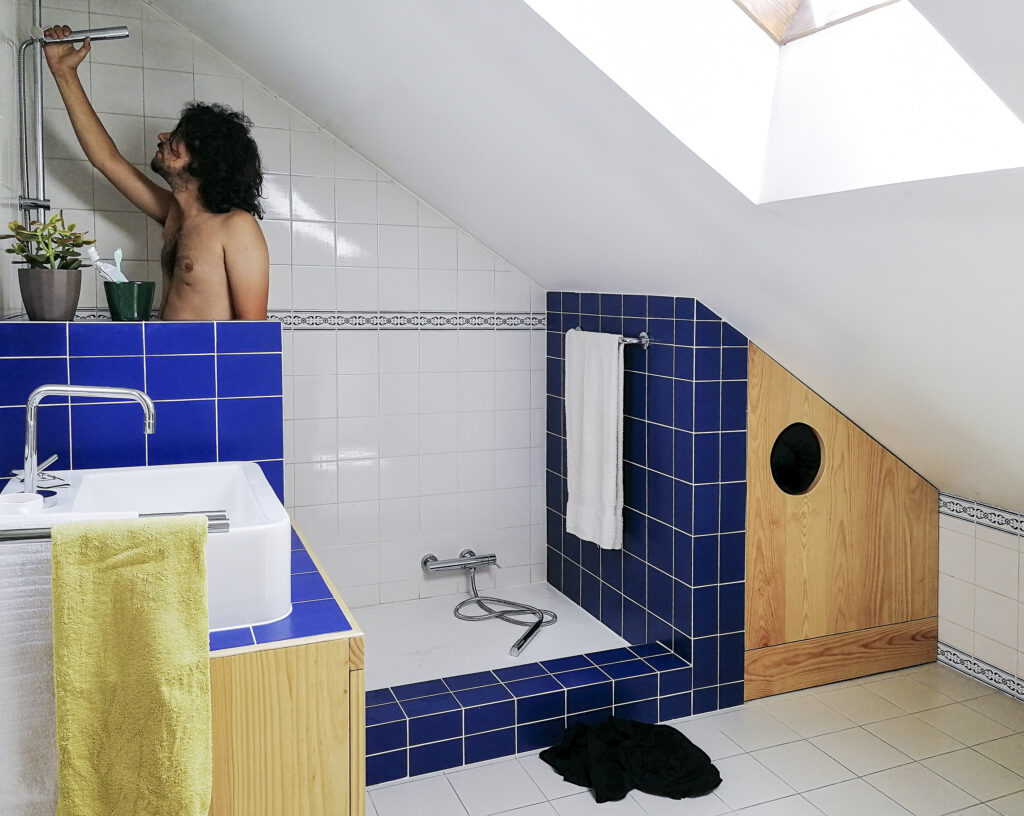
Ironically, at the same time, perhaps the strongest argument one can make about home refurbishment projects is that they redeem generically designed, or otherwise unsuited, domestic spaces for the personalised use of a unique household, thus fortifying the social sustainability of built environments. In short, home refurbishments expand the very humane need of appropriating a home for oneself to the realm of hobbyist and professional design, even if carved out of the same housing project from which fifty others just like it originally emerged.
Also these might interest you


Advert