Architecture can form a counterforce to imperialism, and Finland is a good example of this, says researcher Markus Lähteenmäki
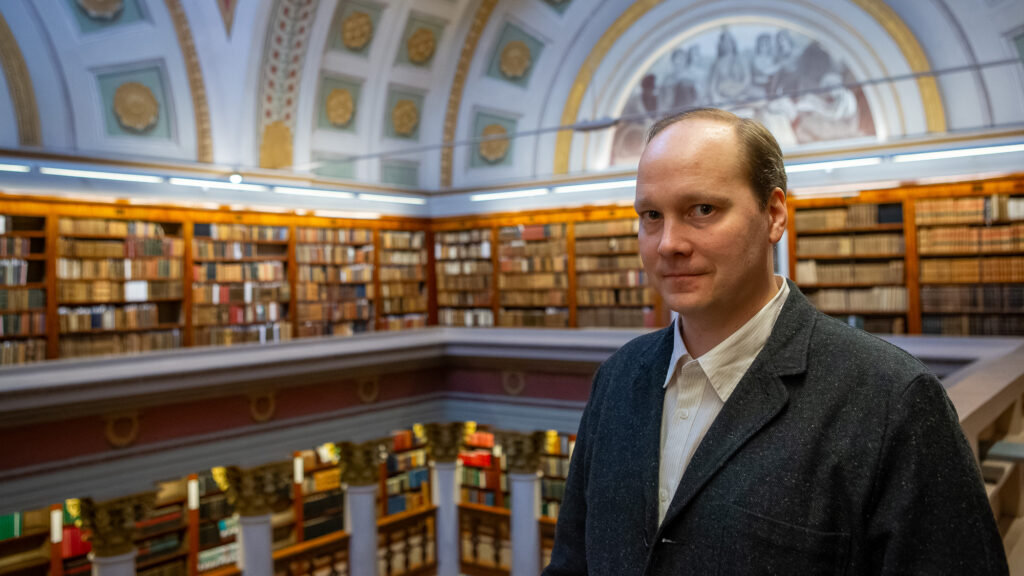
Art historian Markus Lähteenmäki has studied imperialism in architecture. According to Lähteenmäki, anti-imperialist thinking is an inseparable part of the history of Finnish architecture.
In recent months, the word empire has regained a menace not felt across Europe for decades. Alongside Russia’s war of aggression in Ukraine has come the threat by NATO’s leading country to seize Greenland. In January 2026, the Belgian prime minister, Bart De Wever, described the situation as one in which the Old Continent oscillates between being “a happy vassal” and “a miserable slave.”
To avoid these grim alternatives, anti-imperial intellectual categories are needed to reposition the EU within the new world disorder. Spatial anti-imperial categories, too. With that in mind, I sat down with Markus Lähteenmäki, an art historian and curator who teaches at the University of Helsinki and at EPFL in Switzerland.
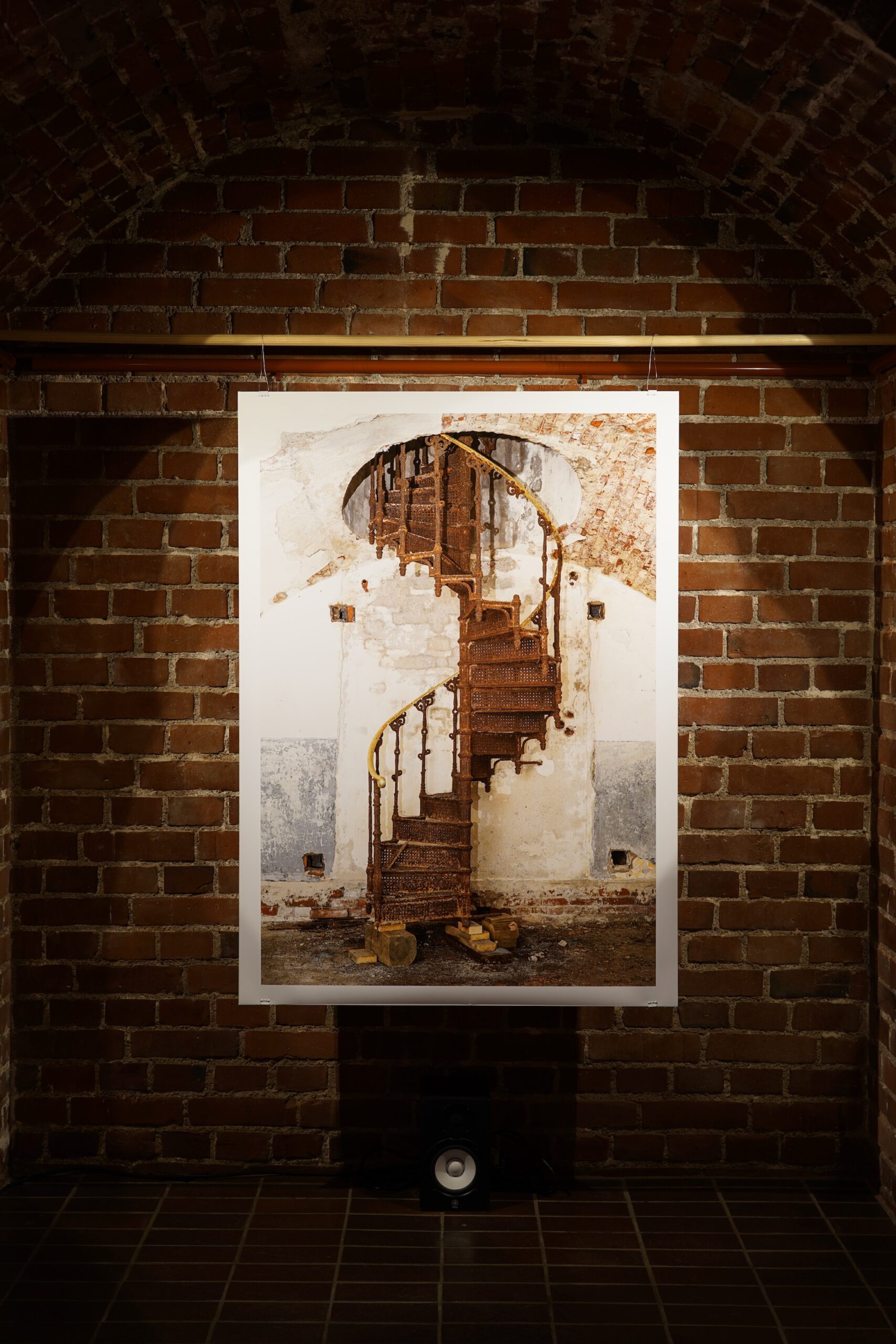
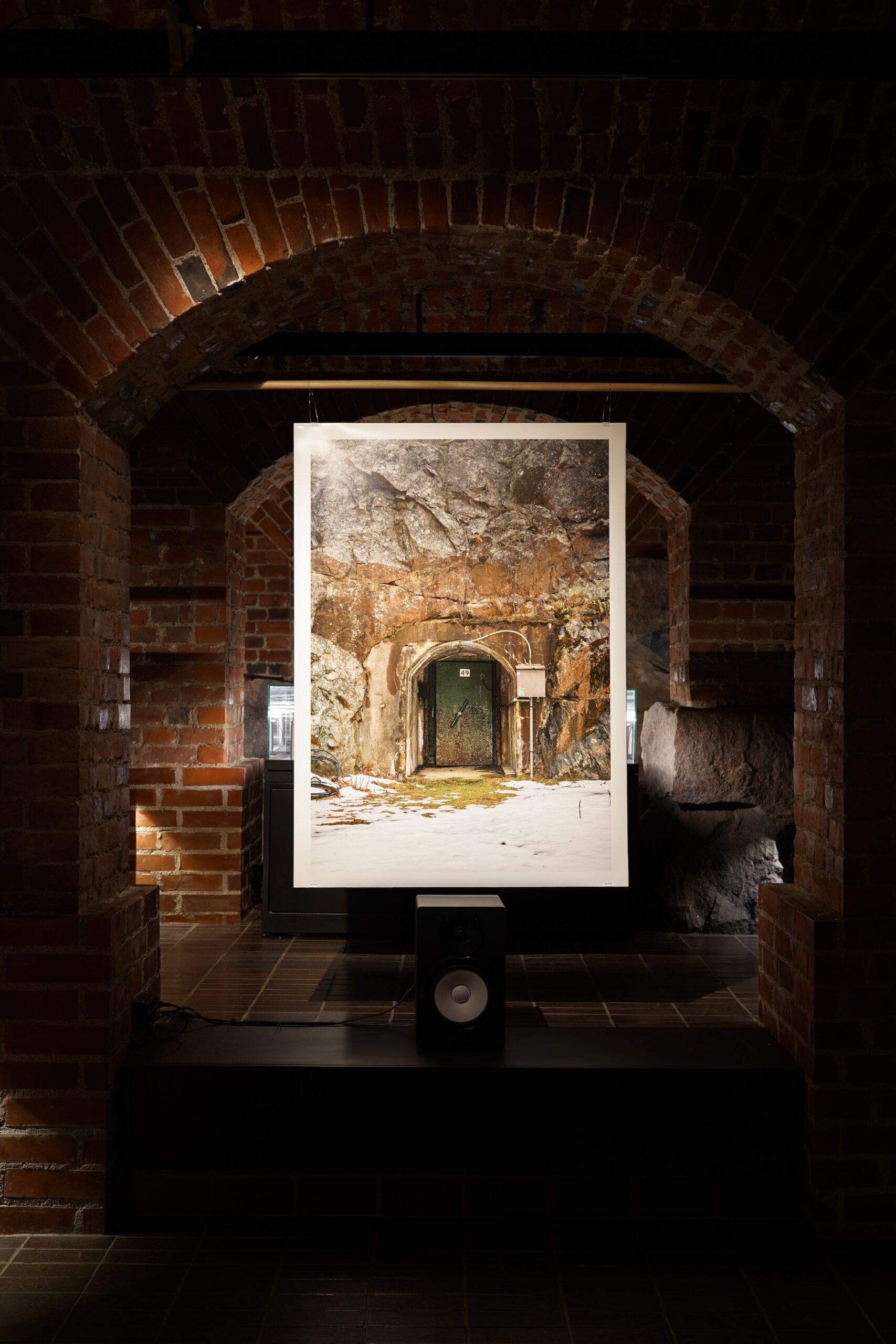
Lähteenmäki has devoted much work to imperialism in the architectural cultures of both Finland and Russia, including Instruments of Occupation, a 2023 installation in the crypt of the National Archives of Finland, curated with photographer and urbanist Dan Dubowitz and musician and architect Tuomas Toivonen, which evoked the imperial origins of Helsinki’s built environment.
Under Russian Rule
DANIELE BELLERI: How does the history of Finnish architecture start with empire?
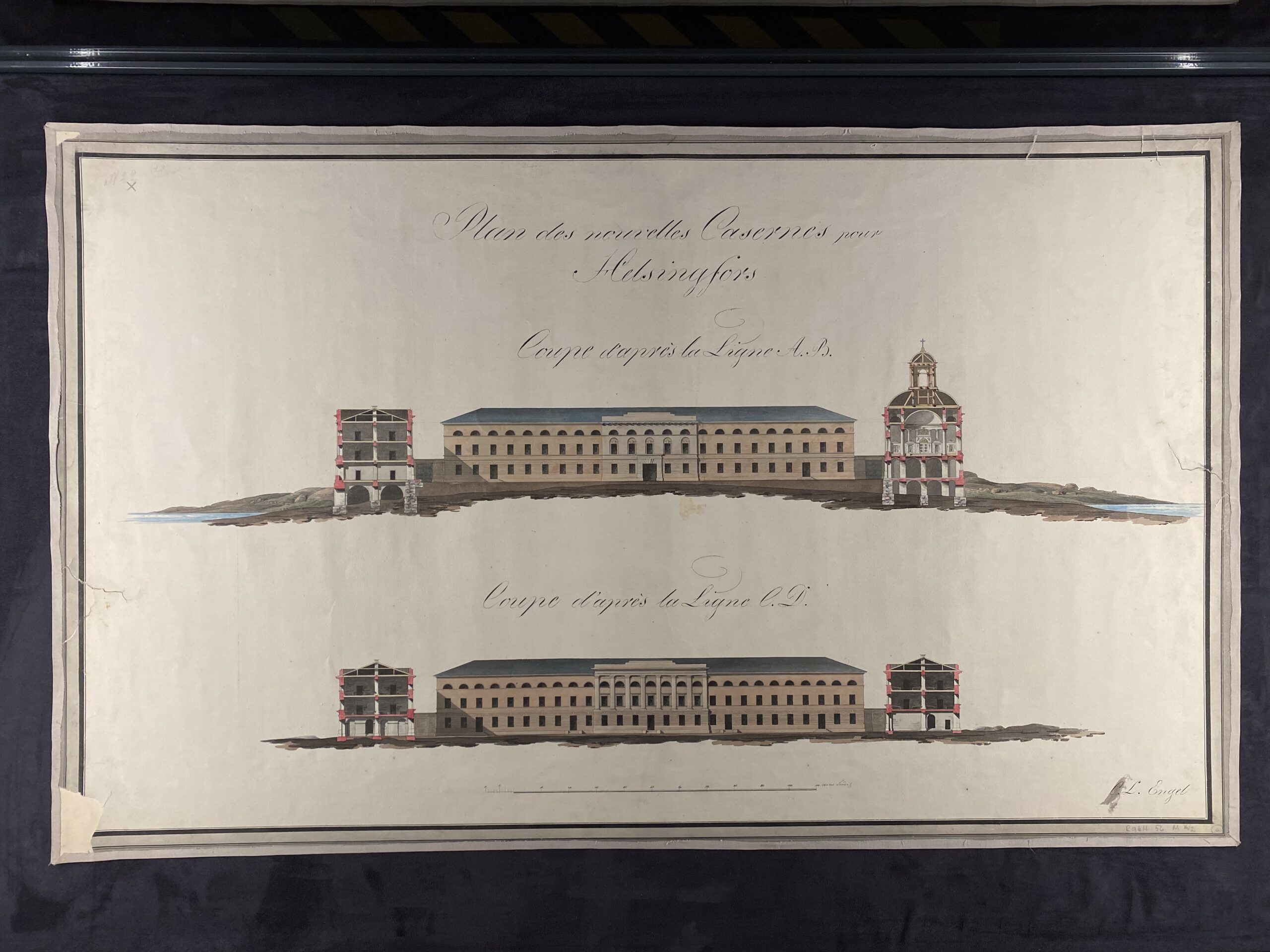
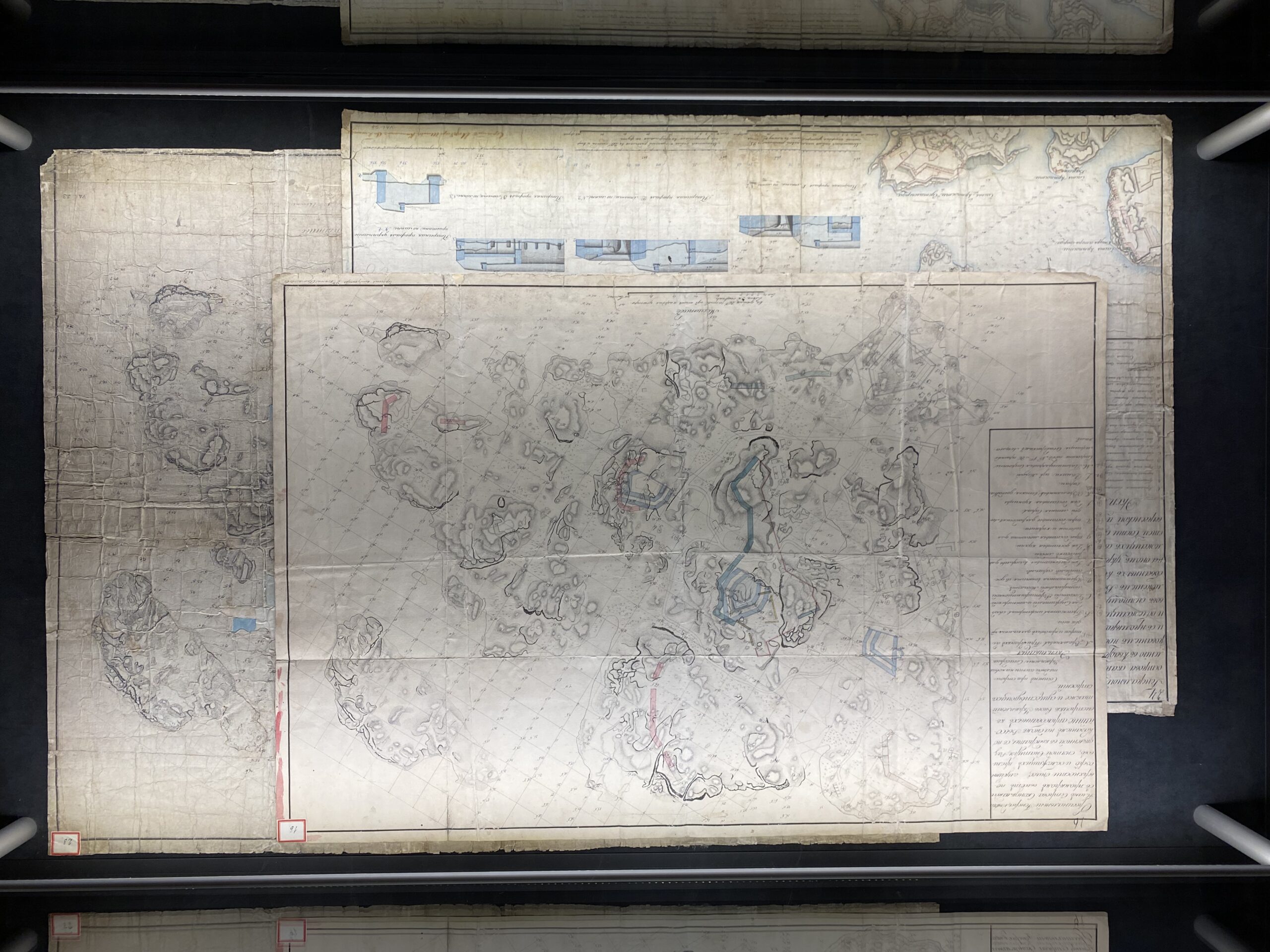
MARKUS LÄHTEENMÄKI: In my recent studies, the story starts with the reconstruction of Helsinki at the beginning of the 19th century, which was very much a Tsarist imperial project, although the same could be said about Sweden even before. Paradoxically, it was the moment of unforeseen imperial pressure, but also the first time that public architecture of Finland was determined by people from Finland, working here.
Previously, under Swedish rule, planning had been directed by the central planning office in Stockholm. The Russian Empire, instead, never had such a body. So Finland came to manage its own affairs. And although the designers were still using the vocabulary of the empire, there was a degree of porosity that allowed independence and variation to emerge.
DB: Did this porosity unintentionally favour the birth of Finnish nationalism?
ML: Yes, because this freedom to manage its own affairs became a freedom to build a public culture of administration, with the university across the Senate Square as part of the same building program. National forms emerged within imperial structures. Similarly, later nationalist architecture in Finland tried to undo what existed before. But it inevitably inherited some of the imperial structures as well.
DB: Do you think any sort of anti-imperial tension remains in Finnish society today?
ML: Finland is an example of how architecture can become a positive enforcer of resilience and resistance to empire. More broadly, there is something anti-imperial in the Finnish mindset and institutions: a deeply ingrained awareness of vulnerability. You have to be prepared at all times.
Primitive Relationship with Nature
DB: What are the practical repercussions of this anti-imperial attitude in architecture?
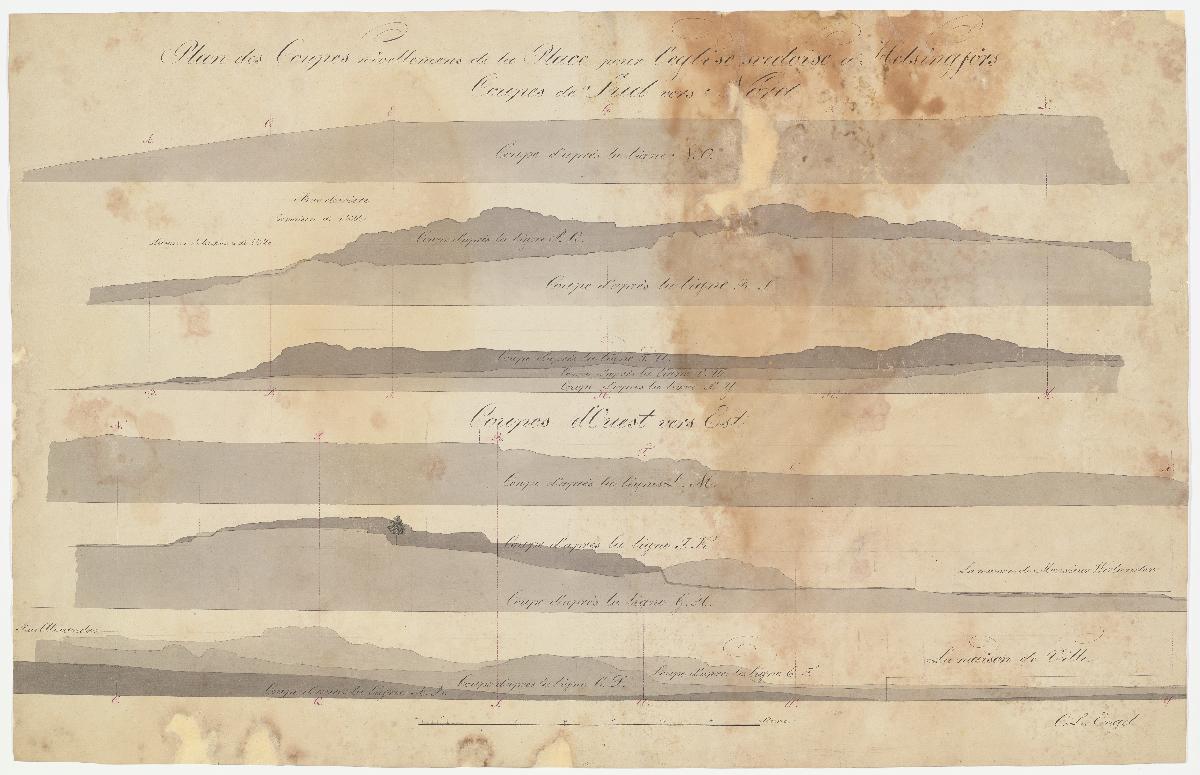
ML: Since the fledging development of the Finnish state under Russian rule, there was resistance to imperial form and materiality. In this process, nature and terrain – for example granite in Helsinki – acquired a specific agency. The most interesting architecture in Finland often emerges from this tension: from the inability of metropolitan architecture to deal with the local conditions.
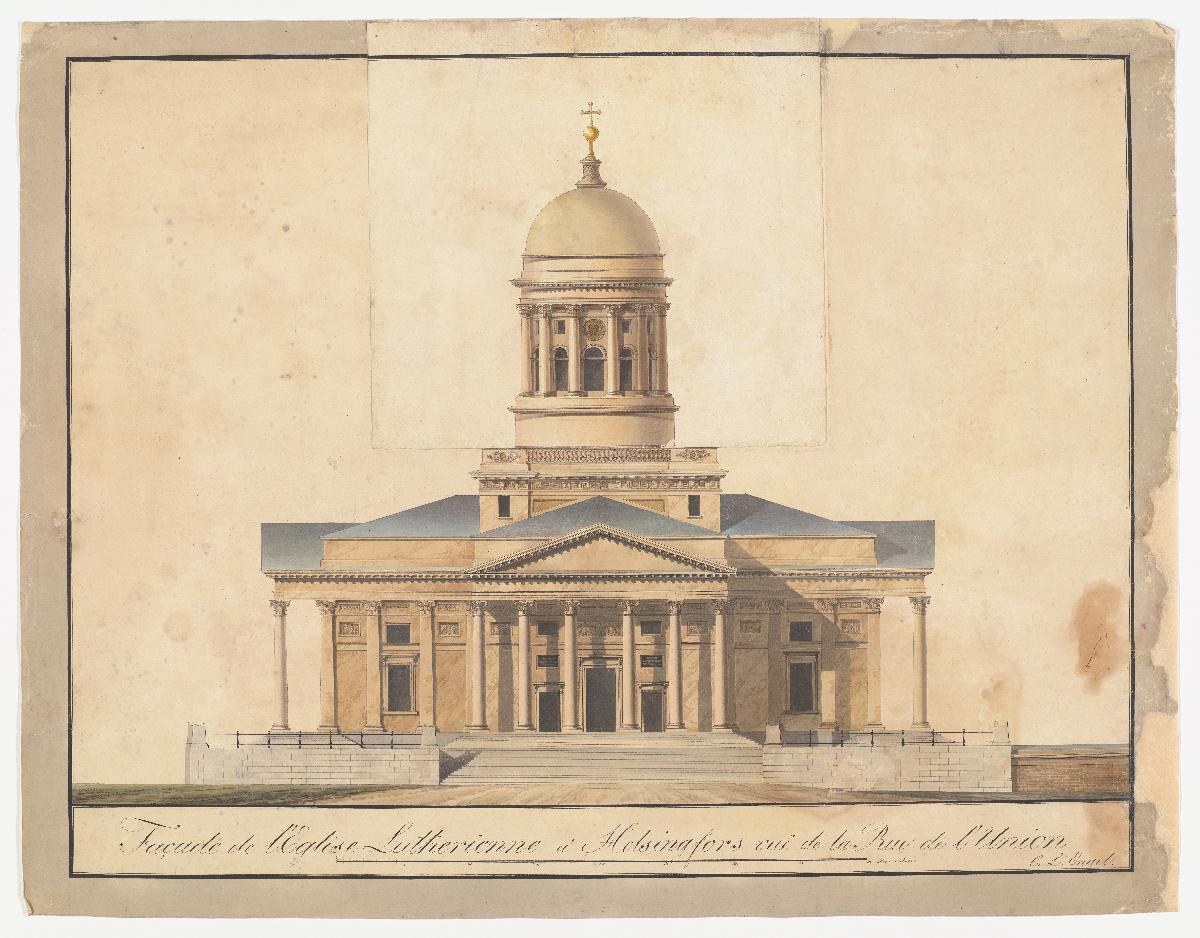
The relationship Finns have with nature is in many ways anti-imperial: even primitive, in a sense. Carl Ludvig Engel, who came from Berlin via St. Petersburg, did not know what to do with the Helsinki granite. He thought Helsinki could be built from granite just like St. Petersburg, but the local stone is so hard that it cannot be polished and the terrain had its own restrains.
So with most of his designs for Helsinki, and particularly with the Helsinki Cathedral, he ended up designing those massive, almost outlandish terraces. In his letters, he described working with the local condition and these foundations as if they were mythical, built by Cyclops.
Later, you can see a similar tension in Alvar Aalto’s work. He came from a natural landscape where forest and terrain are approached in a particular way: not primitive or indigenous, but also not metropolitan.
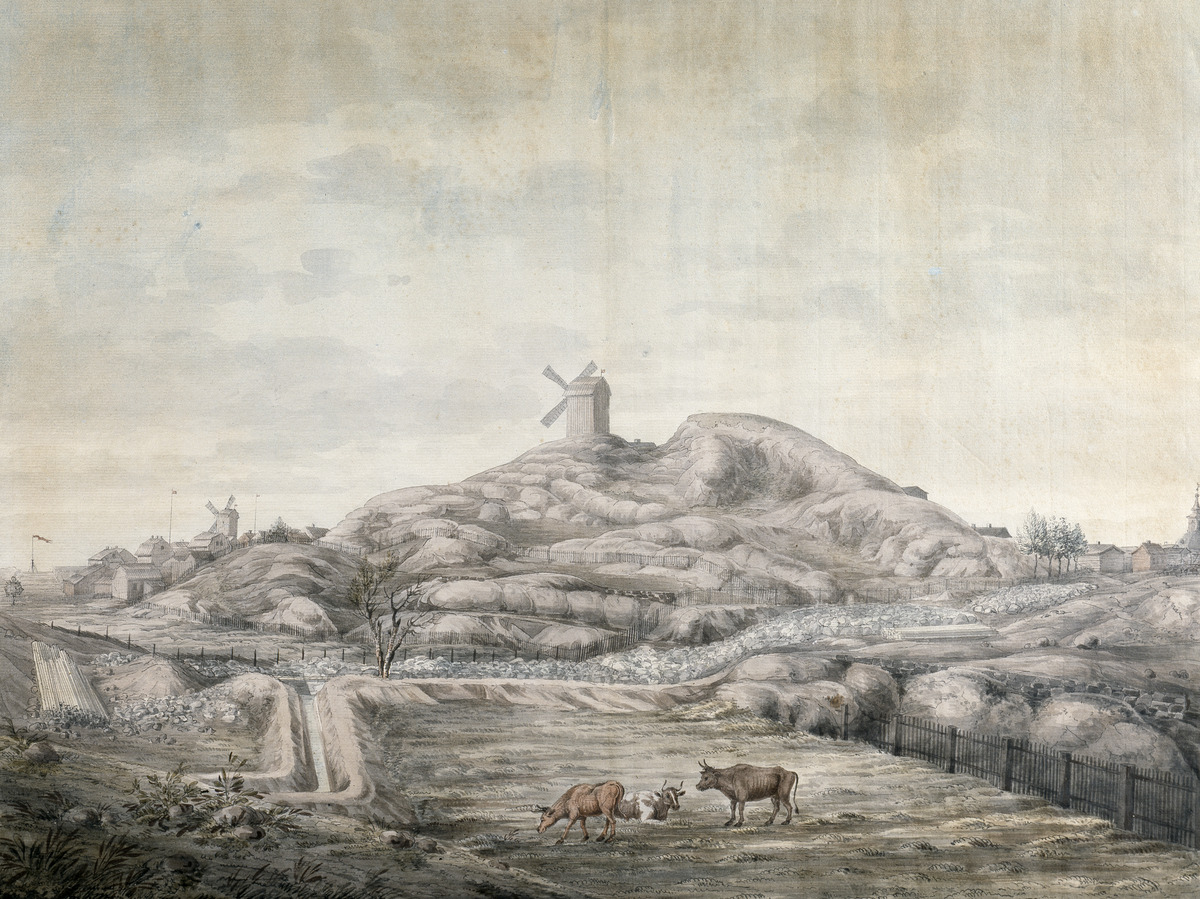
DB: So the historical centrality of landscape and nature in Finnish architecture is marked by an anti-imperial undertone. This perspective gives a radically different meaning to the presence of nature in Finnish architecture. Rather than being a pacifying, inoffensive element, nature is a player in a conflict.
ML: Yes, and other elements emerge from this conflict between the rationalist mind and nature. The question of belonging to a place in this country is not always understood in capitalist terms. There is an idea that land belongs to everyone: not as an economic equation, but as a cultural one. The challenge for Finnish creative and cultural practices is precisely to find ways to embrace that thinking: not in a neo-romantic manner, but critically, by exploiting those tensions.
DB: Does “every person’s right” — jokaisenoikeudet — fit into this context?
ML: That is one legal articulation of it, but I’m thinking of a broader tradition and idea of shared space and publicness. The limits of capital on land are somewhat ambiguous in Finland, and that can be seen in architecture. If you think of Aalto’s relationship to site boundaries, or of Raili and Reima Pietilä, it’s about working the land, working with it. If you think of Juha Leiviskä, it’s about building a careful relationship that gradually organizes space, always deriving architecture from the site and carefully structuring it.
Public Space is Being Privatized
DB: What about the infrastructure of the welfare state? Can that represent another pole of anti-imperial resistance? If we think comparatively, while the heyday of social democracy is long gone, social security still exists, perhaps because the reception of neoliberalism was softened by Finland’s geopolitics.
ML: I agree that there is some lingering presence of the welfare state, and it’s probably not just backwardness, but the result of trust: the same belief in shared space I mentioned earlier. Perhaps that sets Finland apart from other countries. Now, what is the architectural articulation of this shared space? Perhaps something like a degree of modesty and anti-monumentalism, with buildings and functions organized horizontally in terms of power and with an openness in terms of space.
But that is changing. We are losing the architectural articulation of that publicness. We have seen increasing cycles of privatization. We are living in a post-welfare-state society, and you can see that, for instance, in the privatization of land or islands in Helsinki. Even if we still have the welfare state, we are losing its urban space. Public functions are being marginalized in favour of commercial functions. You have public libraries that have to pay rent to remain within commercial malls, while buildings designed as libraries, which are self-standing articulations of civic space deeply rooted in Finnish public culture, are being torn down.
Still, comparatively speaking, I agree there is more resistance in Finland than elsewhere, perhaps in part thanks to the built environment it constructed and is now slowly being dismantled from within.
Transformative Creativity Is Needed
DB: This comparative view is key. The geopolitical developments of recent years are pushing the EU to rethink its role in the world, and architecture and the built environment are part of that. I think of the philosopher Rosi Braidotti, who once wrote: “The Europe to which I feel I belong is a place where it is possible to resist the systematic devaluation of others and the destructive conflicts that this entails.”
What might seem an abstract declaration of belonging becomes more concrete when we consider that empire and aggressive ethnic nationalisms are precisely the vehicles of that “systematic devaluation.”
While the EU is under pressure from many directions, it seems to me that Finnish architecture can offer positive intellectual categories. At the same time, the possibility of influencing broader continental culture calls for a renewed, stronger sense of architectural agency.
The danger for a small nation, I would say, is indifference.
ML: Finnish architectural culture often feels underrepresented internationally. Our challenge is to create space for transformative creativity: to broaden the base of architecture so that it becomes culturally meaningful. Historically, that happened a few times. Think of the 1900 Paris Expo, with the Finnish Pavilion built on foundations of granite: a kind of national manifesto accompanied by music and painting. A few decades later, Aalto himself played a similar role.
How could we achieve an updated equivalent of that today? It’s interesting to recall the 1960s and 70s, when countries like Denmark, Poland, and Finland were seen as offering a kind of “third model.” Networks of architects facilitated exchanges between them. Consider a magazine like Le Carré Bleu: what an extraordinary project, published in Finland with contributors from across Europe.
The danger for a small nation, I would say, is indifference. To become savvy in this context, you need an impresario.
DB: Are you hopeful this can happen?
ML: It can happen if institutions and individual actors work in synergy. In my research, the clues lie in resilience toward imperial systems: in materiality, in a careful understanding of space and its relationships, and in the idea of publicness and openness that accompanies them. The myth of the forest, even that, why not? But the key is to leverage these elements radically, without exoticizing nature, but finding a critical way to frame them in the present.
I see new collective practices in urban design and landscape taking clear positions on the built environment: not just protecting heritage, but questioning the categories themselves. I also find hope in established institutions as clients. Over the past century, the university and the city have produced some of Helsinki’s best buildings. The city, in particular, has real power. I hope it will use it more confidently, rather than defaulting to privatization.
The interview is the sixth part of the series “Finnish Architecture in the Shadow of Geopolitics,” which has been published on the Finnish Architecture Review website during the winter and spring of 2025–2026.
Also these might interest you


Advert